 Evelyn Carter
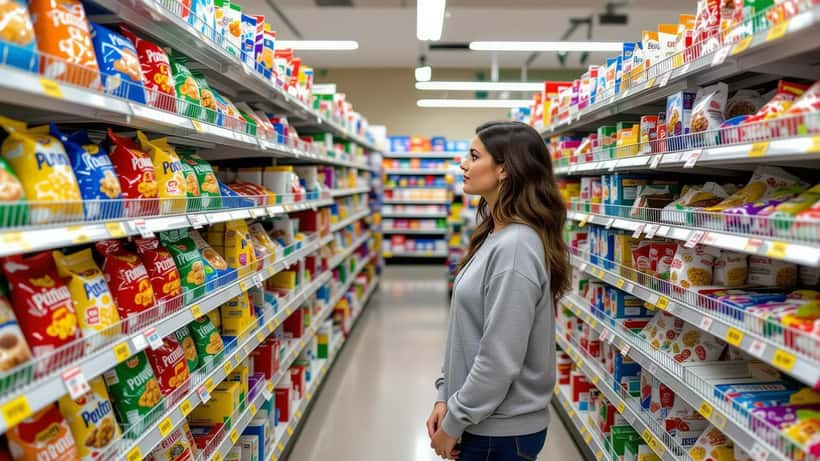
PepsiCo announced plans in September 2026 to eliminate roughly 20% of its product portfolio — cutting popular snacks including Cheetos Cheese Pizza Puffs, Lay's Sweet Potato Poppables, and Smartfood Movie Theater Butter popcorn from American shelves. Coming just weeks after Coca-Cola ended production of Minute Maid frozen juice concentrates — closing an 80-year chapter — the so-called "snacpocalypse" is quietly reshaping what Americans find at the checkout lane. If you've reached for your usual afternoon snack recently and come up empty, you're not imagining it.
The "Snacpocalypse": What's Behind PepsiCo's 20% Product Purge
PepsiCo's cuts are being driven by two simultaneous forces: activist investor pressure to streamline a sprawling product portfolio, and softening sales in traditional salty snack segments. The company has not publicly identified every product being discontinued, but food reporting from Allrecipes tallied more than 20 snacks already believed to be affected as of late September 2026.
Coca-Cola's parallel move tells a similar story. The company confirmed earlier this year that it would end Minute Maid frozen juice concentrate production — a product that had been on American shelves since 1946 — citing a consumer shift toward fresh and zero-sugar juice options.
These aren't fringe decisions. According to data from Euromonitor International, 1 in 6 adult Americans replaced at least one full meal with a snack in 2024. By 2026, the snacking category had grown to represent a 2.2% share of social media food conversation, with 26.9% year-over-year growth in consumer engagement. The products being discontinued weren't novelties; they were embedded in lunchboxes, office drawers, and late-night routines across the country.
What Nutritionists Say About the Moment
For nutrition professionals, the timing of PepsiCo's portfolio contraction aligns with a broader industry reckoning about ultra-processed foods. Many of the products being removed — puffs, flavored popcorn, and novelty-adjacent chip formats — belong to a category that health researchers have increasingly scrutinized for their sodium content, artificial flavoring loads, and low satiety value.
Cheetos Cheese Pizza Puffs, for example, delivered 150 calories and 270 milligrams of sodium per 1-ounce serving, with negligible protein and fiber. Lay's Sweet Potato Poppables, while marketed with the health halo of sweet potato, contained added sugars and oils that placed it firmly in ultra-processed territory under the NOVA classification system used by public health researchers worldwide.
A registered dietitian reviewing the discontinued lineup would note that none of these products were dietary dangers in moderation. The more practical concern is behavioral: millions of Americans have built consistent snacking routines around specific products. When those products disappear, the reflexive response is to reach for the nearest shelf equivalent — which is often no healthier, may cost more, and lacks the familiarity that made the original snack feel satisfying in the first place.
For a nutritionist, this moment is less about grief over discontinued chips and more about an unexpected opportunity. Disruption in routine is one of the few natural inflection points where people are actually open to reassessing a habit. The question a good nutrition professional asks isn't "what can I eat instead?" but "what need was that snack actually meeting — and can I meet it better?"
Those needs vary. For some people, the 3 p.m. snack is about managing an energy dip. For others, it's about stress relief, a small reward, or the sensory satisfaction of salt and crunch. Each of those needs points toward a different nutritional solution. You can read more about how ultra-processed food regulation is reshaping consumer choices in 2026 in a related Expert Zoom analysis.
What Actually Happens When Your Go-To Snack Disappears: A Concrete Scenario
Consider this scenario: a 38-year-old office worker in Chicago — call her Maya — has a daily 3 p.m. habit of eating one bag of Smartfood Movie Theater Butter popcorn (about 1.5 oz) at her desk. That snack delivered approximately 230 calories, 13 grams of fat, 2 grams of fiber, and 3 grams of protein. It cost her roughly $1.79 from the office vending machine.
With Smartfood Movie Theater Butter now off shelves, Maya grabs the nearest available option. She doesn't research it — she's between meetings — and ends up with a 1.75-oz bag of a competitor's cheese crackers at $2.29. That bag contains 260 calories and 580 milligrams of sodium, which is 25% of the FDA's daily recommended sodium limit of 2,300 milligrams — absorbed in a single afternoon snack without Maya ever noticing the switch.
If Maya repeats this swap five days a week for 50 weeks, she's consumed an extra 1,500 calories over the year from this one small change — roughly equivalent to an additional half-pound of fat storage if all else stays equal. The sodium increase adds up to more than 51,000 milligrams beyond what her original snack would have delivered.
Now reverse the scenario: a nutritionist steps in and asks Maya what she actually needs at 3 p.m. After a brief assessment, the answer is clear — she needs sustained energy, not a dopamine hit, because her afternoon involves two hours of focused writing before she can break. The recommendation: 1 oz of lightly salted mixed nuts (160 calories, 6 grams of protein, 2 grams of fiber, 110 mg sodium) paired with a small piece of fruit. Cost per serving: approximately $0.95. Annual savings vs. the vending machine replacement: roughly $67. Annual sodium reduction vs. the unintentional swap: approximately 47,000 milligrams.
The math isn't complicated. But it's also not math most people run while standing in front of a vending machine in a time crunch.
Where the Snack Category Is Actually Heading in 2026
PepsiCo and Coca-Cola are not cutting snacks at random. They're pruning toward where consumer demand is moving: high-protein formats, functional snacks with claimed health benefits, and portion-controlled "mini" offerings. According to Food Business News, the top consumer purchase drivers for snacks in 2026 are taste (24%), health (17%), and convenience (15%), with mini-format products leading intent at 27%.
For nutritionists, this pivot creates a new category of advisory complexity. High-protein snacks are not automatically healthier. Many protein bars contain 20–30 grams of added sugar, significant artificial sweetener loads, or blended protein mixtures where the effective absorption rate is meaningfully lower than single-source whey. Understanding what "isolate" versus "concentrate" means, or why 20 grams of protein in one bar leaves you hungry in 90 minutes while another keeps you satisfied for three hours, is the kind of nutritional literacy that most people have never had reason to develop.
A growing share of nutritionist consultations in 2026 involve exactly this: clients who replaced traditional snacks with "healthier" protein-forward alternatives and are spending $80–120 per month on products that aren't meeting their actual metabolic or satiety needs. The snacpocalypse, it turns out, doesn't end at the vending machine.
How to Navigate the Snack Aisle After the Cuts
The first step is practical: resist the reflex to replace a discontinued snack with whatever looks most similar on the shelf. That default swap is where the unintended calorie drift and sodium accumulation tend to happen — quietly, and over months.
Second, use this disruption to audit your snack routine. Most nutritional assessments reveal that snacking is one of the most underexamined variables in daily caloric intake — not because snacks are inherently problematic, but because they're chosen with far less deliberation than meals. Americans spend more time picking a Netflix show than deciding what they eat between lunch and dinner.
Third, identify the specific function your snack was serving: energy, stress management, hunger control, or pleasure. Each of those calls for a different nutritional response, and the answer isn't always obvious from a nutrition label alone.
A registered dietitian can map those functional needs against your metabolic profile, food preferences, and health goals — and recommend alternatives that work beyond "it was on the shelf." Platforms like Expert Zoom connect you with certified nutrition professionals available for consultations on your schedule, whether you're reassessing a single snacking habit or doing a broader dietary review.
Disclaimer: This article is for informational purposes only and does not constitute medical or dietary advice. Consult a qualified registered dietitian or licensed healthcare provider before making significant changes to your diet or nutritional routine.
