 Odette Caplan
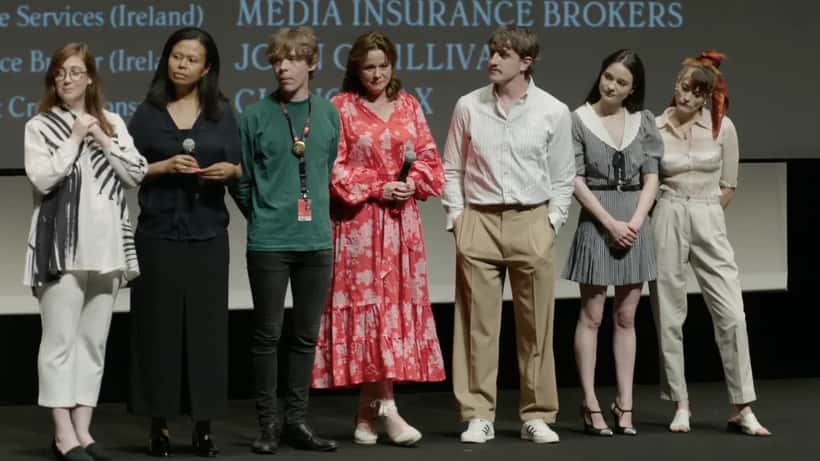
Paul Mescal has been cast as Paul McCartney in Sam Mendes' landmark four-film Beatles biopic, with filming underway through 2026 and a simultaneous theatrical release set for April 2028. The production — backed by Sony Pictures and Apple Corps Ltd. — marks the first time all four Beatles members (and their estates) have granted full life story and music rights for a scripted film. That legal milestone is making entertainment lawyers look twice.
Why the Beatles Deal Is Legally Unprecedented
For over six decades, every biopic pitch involving John Lennon, Paul McCartney, George Harrison, or Ringo Starr ran into the same wall: no one could get life rights. The Beatles' estates and Apple Corps refused, guarding the band's legacy with meticulous care.
The 2026 deal changed that. Apple Corps, McCartney, Starr, and the Lennon and Harrison families all signed off simultaneously — granting the right to depict their life stories, use their likenesses, and license their music catalog. According to Deadline, this is without precedent for an artist of their stature.
What made it work? Entertainment attorneys point to several factors: a director (Mendes) with proven Oscar-winning credibility, a narrative structure giving each Beatle their own film (and thus their own deal), and decades of patience. Still, even with willing parties, negotiating life rights for living celebrities and the families of deceased ones involves entirely different legal frameworks — and common mistakes that a lawyer could have prevented.
What "Life Rights" Actually Means
Life rights — formally called "right of publicity" — give a film studio the legal permission to portray a real person's name, likeness, voice, and life story in a dramatic work. Without them, filmmakers risk defamation and right-of-publicity lawsuits.
In the United States, the right of publicity is governed at the state level, with California and New York having the strongest protections. California Civil Code §3344 makes it illegal to use someone's name, voice, signature, photograph, or likeness for commercial purposes without consent. Under the law, this right even survives death — making estate agreements, like those signed by the Lennon and Harrison families, equally binding and legally complex.
For artists, musicians, athletes, or anyone with a public profile, understanding what you're signing when you grant (or deny) life rights is critical. A single contract clause can determine whether a future film portrays you as a hero or a cautionary tale — and whether you or your heirs receive compensation.
According to the U.S. Copyright Office, while copyright protects original creative works, the right of publicity operates separately — meaning an artist may own their songs but still have no say over how their likeness is used in a biopic unless they negotiate it explicitly.
Three Legal Lessons From the Beatles Case
1. Negotiating life rights is not a one-person job
The Beatles deal required coordinating McCartney (still living), Starr (still living), the Lennon estate (controlled by Yoko Ono Lennon's family and Sean Lennon), and the Harrison estate (controlled by Dhani Harrison and Olivia Harrison). Each party had separate legal counsel. Each required separate approval.
For any public figure — not just rock legends — signing a life rights agreement without an entertainment lawyer reviewing the terms is a serious risk. Common pitfalls include waiving approval rights over how you're depicted, assigning music rights bundled within a life rights deal without realizing it, and signing perpetual global rights for a flat fee rather than royalty-based compensation.
2. Music rights and life rights are separate but often bundled
One of the most complex aspects of the Beatles deal was separating (and then re-bundling) song licensing from biographical rights. McCartney and Starr hold different stakes in various compositions through complex co-ownership arrangements and previous catalog sales. Sony Music Entertainment already owns significant portions of the Beatles catalog; Apple Corps controls master recordings.
When a film studio wants both the life story and the hit songs — as Mendes clearly did — these two rights must be negotiated independently, often with different parties. An artist or their estate manager who conflates these rights in a deal can inadvertently sign away catalog revenue they didn't intend to.
3. Posthumous rights require estate planning, not just a will
George Harrison died in 2001. John Lennon died in 1980. Yet both estates participated meaningfully in the 2026 rights deal. That's possible because both men had robust estate planning and legal structures that explicitly addressed their intellectual property, likeness, and publicity rights after death.
In states like California, postmortem right of publicity lasts 70 years after death. Without a clear estate plan that includes these rights, they can become contested assets — or worse, default to the public domain or be controlled by a party the deceased artist would not have chosen.
When Should You Consult an Entertainment Lawyer?
Not everyone is a Beatle, but the legal questions raised by the McCartney biopic deal apply to a wide range of situations:
- A local musician being approached by a documentary filmmaker
- A former athlete whose story is being optioned for a streaming series
- A business owner whose company story is being adapted for a film
- A family member receiving a request from a studio about a deceased relative
The moment any production company reaches out, even informally, is the moment to involve legal counsel. Entertainment attorneys specialize in evaluating these offers, identifying buried clauses, and ensuring that the compensation reflects the actual value of what's being licensed — not just what the studio is willing to offer.
On ExpertZoom, you can connect directly with entertainment and IP lawyers who handle life rights agreements, image licensing, and estate-related intellectual property questions. Whether you're a rising artist protecting your brand or a family navigating a posthumous request, the right legal expert can be the difference between a fair deal and a costly mistake.
The Bigger Picture: Celebrity IP Is Big Business
Paul Mescal taking on the role of McCartney — right down to playing left-handed guitar and performing his own vocals — highlights how deeply personal life rights negotiations can be. This isn't just a business transaction; it's a legal agreement about how your identity, your artistry, and your legacy will be presented to the world.
As biopics continue to boom in Hollywood (following the commercial successes of Elvis, Bohemian Rhapsody, and Rocketman), studios are increasingly pursuing living and deceased public figures for their stories. The legal landscape around these deals is growing more complex — and more consequential — every year.
If your story is being told, make sure the terms are ones you agreed to.
This article is for informational purposes only and does not constitute legal advice. Consult a licensed entertainment attorney for guidance specific to your situation.
