 Evelyn Carter
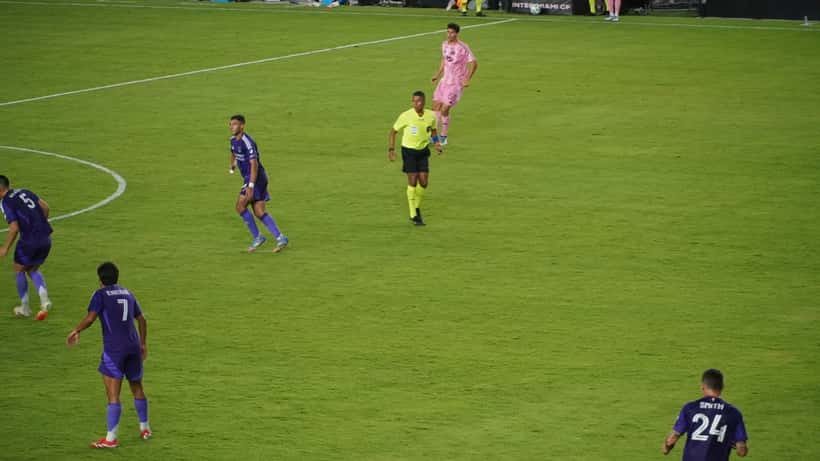
Orlando City SC hosts the New England Revolution at Inter&Co Stadium in what promises to be one of the Eastern Conference's most competitive MLS matchups of the 2026 season. While fans plan their game-day experience, there's a health consideration that anyone attending a Florida soccer match in late April should take seriously: heat-related illness.
Orlando City vs. New England Revolution: The April 2026 Clash
As of late April 2026, both Orlando City and the New England Revolution are competing for Eastern Conference playoff positioning. Orlando City, powered by the attacking trio of Facundo Torres, Ramiro Enrique, and Ivan Angulo, has made Inter&Co Stadium one of MLS's most electric home venues. The Revolution, with their possession-based style under head coach Caleb Porter, bring a formidable opponent.
But while the soccer itself will be intense, there's a factor that separates MLS matches at Inter&Co Stadium from those in Boston or New York: Florida's heat and humidity, even in late April.
April in Orlando: Why the Heat Is Already a Health Risk
Orlando, Florida averages high temperatures of 84°F (29°C) in April, with humidity levels regularly exceeding 70%. Combined with the radiant heat from stadium seating and artificial turf, the "feels like" temperature for fans in exposed sections can exceed 95°F (35°C) during a 7:30 PM kickoff.
The National Weather Service uses the heat index — a combination of temperature and relative humidity — to assess heat risk. At 84°F and 70% humidity, the heat index reaches approximately 91°F (33°C), classified as "caution" territory where prolonged exposure can cause heat cramps and heat exhaustion in active fans.
According to the Centers for Disease Control and Prevention (CDC), heat-related illnesses send more than 65,000 Americans to emergency rooms every year. Outdoor sporting events are one of the most common settings for these incidents, particularly when fans are cheering actively, consuming alcohol, or standing in exposed areas for 90+ minutes.
The Medical Difference Between Heat Cramps, Heat Exhaustion, and Heat Stroke
Understanding the progression of heat-related illness helps you recognize when a fellow fan or athlete needs immediate help — and when to call for medical assistance.
Heat Cramps (mild):
- Muscle spasms and cramps, typically in the legs and abdomen
- Heavy sweating during intense activity
- Treatment: rest, hydration with electrolyte drinks, move to a cooler area
- No medical emergency, but a warning signal to stop exertion
Heat Exhaustion (moderate — requires attention):
- Heavy sweating, pale and moist skin
- Fast, weak pulse
- Nausea, possible vomiting
- Headache, dizziness, fainting
- Muscle cramps
- Treatment: move to cool environment immediately, apply cool wet cloths, sip water slowly. If symptoms worsen or don't improve within 15 minutes, call 911.
Heat Stroke (severe — life-threatening medical emergency):
- Body temperature above 103°F (39.4°C)
- Hot, red, dry or damp skin
- Rapid, strong pulse
- Confusion, altered mental state, possible unconsciousness
- Treatment: call 911 immediately. Heat stroke can cause permanent organ damage or death within minutes. While waiting for emergency services, move the person to a cool area and use any available method to lower body temperature (ice packs, cool water immersion if possible).
The critical distinction: if a person stops sweating and begins showing confusion or loses consciousness, this is heat stroke — not heat exhaustion. Act immediately.
What MLS Clubs Do to Protect Fans at Outdoor Venues
Inter&Co Stadium, like most MLS venues, has protocols for heat emergencies. Orlando City's medical team includes athletic trainers and, for large events, on-site physicians. First aid stations are located throughout the stadium, and medical personnel are trained in heat illness recognition and response.
However, stadium medical staff are equipped for rapid response, not extended care. Their primary role is stabilization until Emergency Medical Services (EMS) arrives or the fan can be safely transported to a hospital.
For fans, this means:
- Know where the nearest first aid station is when you enter the stadium
- Don't wait to seek help if you or someone near you shows symptoms — EMS response time from notifying stadium security to arrival is typically 3-5 minutes inside the venue
- Alert stadium staff immediately for any suspected heat stroke — do not try to drive the person to a hospital yourself
Doctor-Recommended Strategies for Attending Hot-Weather Sporting Events
A sports medicine physician would give you the following practical advice before attending a late-April Orlando City match:
48 hours before the game:
- Increase fluid intake significantly. Hydration needs to start well before the event, not during.
- Avoid alcohol and excessive caffeine, which accelerate dehydration
Day of the game:
- Drink 16-20 oz of water 2 hours before kickoff
- Wear light-colored, loose-fitting, breathable clothing
- Apply high-SPF sunscreen (SPF 50+) even for evening games — you may arrive while the sun is still up
- Bring a handheld fan or cooling towel
During the match:
- Drink 8 oz of water every 20-30 minutes, regardless of thirst
- Prioritize electrolyte beverages (sports drinks) if you're sweating heavily
- Limit alcohol to one drink per hour maximum, and match each alcoholic drink with a glass of water
- Identify shaded seating or concourse areas where you can cool down if needed
- Take regular breaks from standing/cheering if you're in exposed sections
If you have a chronic condition: People with cardiovascular disease, diabetes, kidney disease, or who take certain medications (diuretics, antihistamines, beta-blockers) are at significantly higher risk for heat-related illness. Consult your doctor before attending outdoor events in high-heat conditions.
When to See a Doctor After a Sporting Event
Heat-related symptoms don't always resolve immediately after leaving the stadium. If you experience any of the following in the 24-48 hours after attending an outdoor event in the heat, schedule a doctor's appointment promptly:
- Persistent headache or dizziness
- Muscle weakness or lingering cramps
- Decreased urination or dark-colored urine (signs of dehydration or kidney stress)
- Nausea that doesn't resolve with rest and fluids
- Confusion or memory gaps about the event
These symptoms can indicate that your body's recovery systems are still under stress, particularly kidney function. A physician can assess your hydration status and rule out complications.
The ExpertZoom network connects you with licensed physicians and sports medicine specialists across the United States — including in the Orlando area — for same-day or next-day consultations when you need quick access to expert medical advice.
Enjoy the Game Safely
The Orlando City vs. New England Revolution match is an exciting MLS fixture — but enjoying it safely means preparing for Florida's climate as much as the tactical matchup. Heat-related illness is preventable with the right preparation, and recognizing the warning signs early can be the difference between a minor discomfort and a medical emergency.
Stay hydrated, know the symptoms, and don't hesitate to seek help from stadium medical staff if you need it.
Disclaimer: This article provides general health information only and does not constitute medical advice. Consult a licensed physician for guidance specific to your health situation.
