 Evelyn Carter
Nursulton Ruziboev’s 2026 Weight Cut: What Fighters and Fans Should Know About Health Risks
The summer 2026 UFC calendar is filling up, and one name climbing back into the spotlight is Uzbek welterweight Nursulton Ruziboev. After a breakout 2024 and a series of high-profile matchups, Ruziboev is now the kind of fighter fans search for by name. But with that attention comes a familiar, uncomfortable question: how much is his body paying for the weight cut?
Combat-sports weight cutting has been under a microscope for years. In 2026, athletic commissions, promoters, and medical groups are still debating stricter hydration rules, same-day weigh-in reforms, and penalties for dangerous cuts. For Ruziboev — a long, powerful striker who has competed at both welterweight and middleweight — the conversation is not just academic. It is central to how long his prime lasts and how safely he can perform.
Why the Ruziboev Conversation Matters Now
Ruziboev’s rise in the UFC has been defined by aggression and finishing ability. When a fighter starts knocking opponents out, the public focuses on the result. Behind the scenes, coaches, nutritionists, and doctors focus on the process — especially the 20-to-30-pound swings many fighters undertake in fight week.
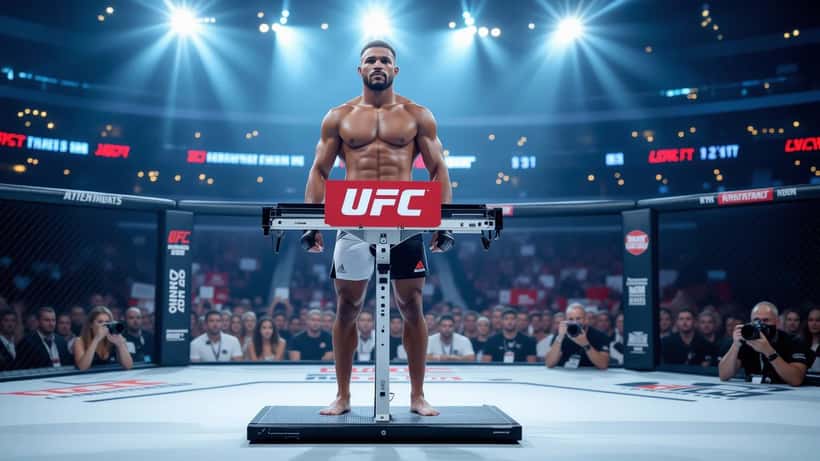
In 2026, the UFC continues to use early weigh-ins and the "one-pound allowance" for non-title bouts. Fighters like Ruziboev can spend months building muscle and power, then dehydrate dramatically to hit 170 or 185 pounds. The short-term reward is a size advantage. The long-term cost can include kidney stress, cardiac strain, hormone disruption, and cognitive impairment.
Medical literature is clear: losing more than a few percent of body mass through dehydration increases the risk of acute kidney injury, heat illness, and poor concussion recovery. For a striker with Ruziboev’s height and reach, the margin between a sharp performance and a sluggish one can be a single percent of hydration.
What Experts Say About Safer Cuts
Sports medicine physicians generally recommend that fighters walk around no more than 10–12 percent above their weigh-in target. The final 24 hours before the scale should be about fine-tuning, not crisis management. Nutritionists emphasize sodium manipulation, glycogen depletion and repletion, and, most importantly, a gradual cut across the final two weeks rather than a brutal water-load-and-sweat protocol.
Dr. Marc-André Laflamme, a ringside physician who has worked with North American athletic commissions, told Expert Zoom that the most dangerous fighters are often the most disciplined ones. “They will do whatever it takes,” he said. “That discipline needs to be directed by a professional who can say, ‘This is the safe floor, and we are not going below it.’”
That professional gap is where expert marketplaces come in. A fighter’s camp may have a head coach and a part-time nutritionist, but it rarely has a board-certified sports dietitian, a nephrologist, and a strength coach who all communicate weekly. For independent athletes — and even many signed ones — booking that level of expertise on demand can be the difference between a career and a medical emergency.
The Business Side: Contracts, Liability, and Longevity
Weight cutting is not only a health issue. It is also a contractual and liability issue. Fighter agreements generally require athletes to make weight as a condition of payment. If a fighter misses weight, they can forfeit purses, bonuses, and future matchmaking leverage. If a fighter becomes seriously ill during a cut, questions arise about who is responsible: the promotion, the gym, the nutritionist, or the athlete.
In 2026, some managers are adding independent medical clearance clauses to contracts. These clauses allow a physician to pull a fighter from the cut without the camp or promotion retaliating financially. The model is still new, and it is not universal. But for fighters withdrawing from bouts due to weight-related illness, it offers a layer of protection.
Ruziboev has not publicly missed weight in the UFC, and there is no indication his camp has been reckless. Still, the broader trend affects him because every weigh-in is a data point. If fans and analysts see a drained athlete on the scale, the narrative shifts from knockout power to health concern. That shift can influence sponsorship value, ranking discussions, and matchmaking.
Brain Health, Weight Cuts, and the Bigger Picture
The risks extend beyond the kidneys. Rapid dehydration can reduce cerebrospinal fluid, which cushions the brain during impact. A dehydrated brain is more vulnerable to trauma, and in a sport where one clean shot can end a fight, that matters. For a breakdown of how brain health intersects with combat-sports preparation, see our earlier coverage: Shakur Stevenson’s Next Fight and the Brain Health Debate.
Ruziboev’s style depends on timing, distance, and reaction speed. Any factor that dulls those tools — including a poorly managed weight cut — raises his risk inside the cage. Conversely, a well-managed cut leaves him strong, fast, and mentally sharp on Saturday night.
What Fans Should Watch For
You do not need a medical degree to spot a dangerous cut. Red flags include:
- A fighter looking visibly drawn or unsteady at the ceremonial weigh-in.
- Reports of hospital visits, IV use, or sauna sessions lasting more than an hour.
- A history of moving up and down weight classes without a clear long-term plan.
- Coaches publicly discussing extreme final-day drops as a sign of toughness.
If Ruziboev continues competing at welterweight in 2026, fans should pay attention to how he looks at the scale, not just how he looks in the cage. The same is true for any fighter with a large frame for their division.
How Expert-Zoom Fits In
Expert-Zoom is an expert consultation marketplace. For fighters, managers, and gyms navigating weight-cutting questions, the platform connects users with verified sports medicine doctors, registered dietitians, and combat-sports attorneys. Whether the need is a one-time hydration plan, a contract review, or a second opinion before a risky cut, getting expert input early is cheaper — and safer — than managing a crisis later.
Ruziboev’s name may be the search trend, but the underlying issue is universal. Athletes in combat sports need specialists around them. Fans need accurate information. And the sport needs consistent standards that put health ahead of spectacle.
Bottom Line
Nursulton Ruziboev’s 2026 campaign is one of the more intriguing stories in the UFC welterweight division. His striking, reach, and composure make him a problem for opponents. But his long-term ceiling may depend as much on what happens in the sauna and the kitchen as what happens in the octagon.
For every fighter, weight cutting is a calculated risk. In 2026, with more medical knowledge available than ever, there is no reason that calculation should be made alone.
