 Lucas Price
Drafted on Thursday. Moving by Monday. The NFL's Hidden Homebuying Clock
On April 24, 2026, the Detroit Lions traded up to select Michigan defensive end Derrick Moore at No. 44 in the NFL Draft. Within 72 hours, Moore's life changed in every dimension — new employer, new city, new teammates, and a pressing question that nobody talks about on draft night: where am I going to live?
NFL mandatory minicamps typically begin in late May, giving new draftees fewer than five weeks to relocate from a college town to a professional sports city. For a 21-year-old who has never owned property, that timeline is both exhilarating and brutal.
Why NFL Rookies Are Rushing to Buy
Renting is an option, but most mid- to upper-round picks move directly toward purchase. The logic is straightforward: a second-round pick like Moore earns a guaranteed salary in the range of $4–6 million over a four-year rookie contract, according to 2026 NFL Rookie Scale data (Spotrac). Owning property anchors that wealth in a tangible asset — and the mortgage interest deduction remains one of the most accessible tax benefits available to high-income earners.
But speed creates risk. Buying a home in a city you barely know, in weeks rather than months, is exactly the scenario where costly mistakes happen. The decision that will affect Moore financially for years needs to be made in days. Understanding what you're actually buying — before you sign — is everything.
The 5 Things a Home Inspector Must Check Before You Sign
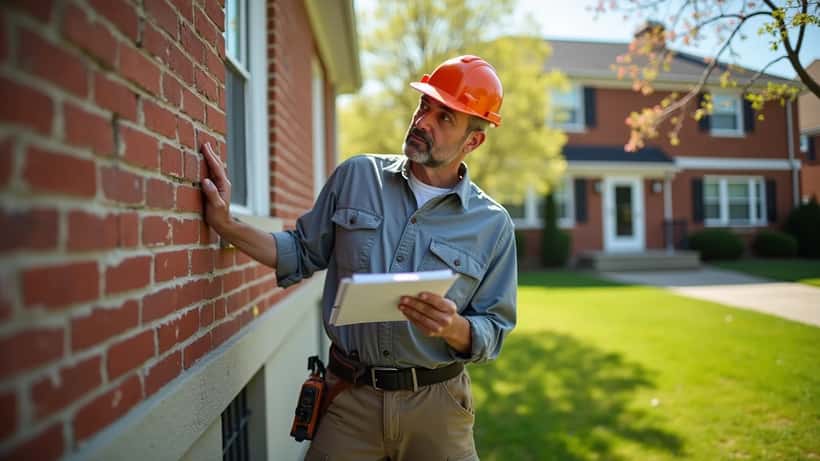
A certified home inspector is not a luxury. For any first-time buyer, but especially one making a rapid relocation decision, a professional inspection is the single most important step between offer and closing.
The American Society of Home Inspectors (ASHI) sets rigorous Standards of Practice for inspectors nationwide. Their framework identifies five systems that account for the vast majority of costly post-purchase surprises:
1. The foundation and structural system. Cracks in foundation walls, uneven floors, and bowing walls are not cosmetic problems — they can signal structural failure that costs $20,000 or more to repair. In older midwestern cities like Detroit, freeze-thaw cycles put particular stress on concrete foundations.
2. The roof. A full roof replacement averages $10,000–$20,000 depending on size and material. An inspector identifies missing shingles, improper flashing around chimneys, and signs of water intrusion that a seller may have concealed with fresh paint in the attic.
3. Electrical systems. Older homes in established neighborhoods may contain outdated wiring — knob-and-tube or aluminum — that modern appliances can easily overload. This is a fire hazard and a significant insurance concern.
4. Plumbing. Lead pipes remain a documented issue in homes built before 1986, particularly in the Great Lakes region. An inspector will identify pipe material and flag any active leaks, slow drains, or water heaters approaching end of life.
5. HVAC systems. Heating and cooling equipment has a finite lifespan. A furnace approaching 20 years will likely fail within 3–5 years. In a Detroit winter, that is not a theoretical risk.
For a home in the $400,000–$800,000 range that a second-round pick might target near the Lions' Allen Park training complex, a qualified inspection typically costs $400–$700 and takes 2–4 hours. It is the most cost-efficient $500 any homebuyer can spend.
The Training Facility Factor
Athletes face a consideration most homebuyers don't: commute time to the facility matters as much as anything else. NFL players are expected at Allen Park, southwest of Detroit, for sessions that can begin at 7 a.m. A 45-minute commute at 6:15 a.m. compounds over a 17-week regular season into hundreds of hours that could otherwise be spent on recovery.
For players whose contracts include performance incentives tied to health and availability, proximity to the facility is not just convenient — it is financially material.
The Hidden Costs Nobody Warns New Homeowners About
Draft-day salaries look large on paper. Reality is more complicated. After federal income tax, Michigan state tax (4.25%), agent fees (typically 3%), and NFLPA dues, a $5 million guaranteed contract nets considerably less than the headline figure.
A commonly cited industry rule of thumb is to budget 1% of the home's purchase price per year in maintenance — roughly $6,000 per year on a $600,000 home. That covers routine wear: furnace filters, gutter cleaning, minor plumbing repairs, and appliance replacements that come up every few years.
Add property taxes, which in Wayne County, Michigan run approximately 3–4% of assessed value annually, homeowner's insurance premiums, and HOA fees if purchasing in a managed community. First-time buyers routinely underestimate these carrying costs by 30–40% in the first year.
What to Do Before the Ink Dries
The week after the draft, every draftee should have three conversations running in parallel: one with a financial advisor to understand exactly how much home they can afford after taxes, one with a real estate attorney to review the purchase contract before signing, and one with a certified home inspector to walk the property before closing.
The inspector's role is to be a skeptic — not to kill a deal, but to ensure the buyer enters with complete information. A seasoned home inspector or craftsperson is among the most underused professionals in the homebuying process, particularly for buyers operating under timeline pressure.
ExpertZoom connects buyers with experienced home improvement and inspection professionals who specialize in first-time homebuyer consultations. Other new NFL draftees have already started thinking through the financial side of this transition — a certified professional can help make sure the physical asset matches the investment.
Note: This article provides general information about the homebuying process. Consult a licensed real estate attorney, financial advisor, and certified home inspector before making any real estate purchase.
