 Harper Brooks
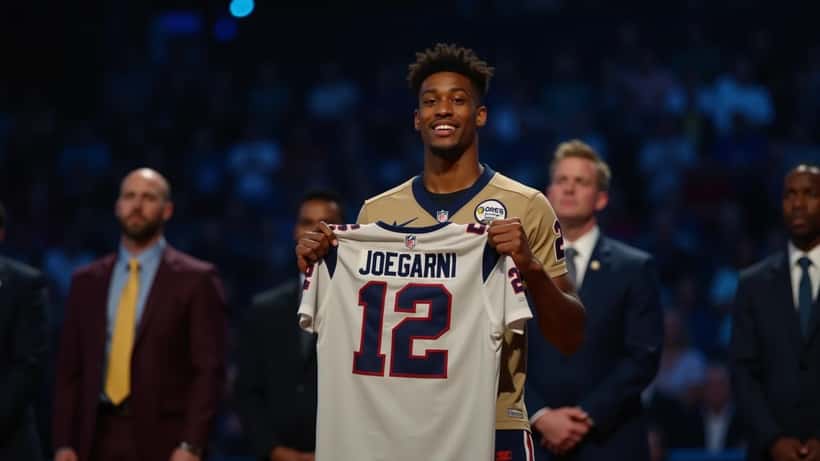
David Bailey became the second overall pick in the 2026 NFL Draft on April 24, selected by the New York Jets after a dominant season at Texas Tech where he recorded 14.5 sacks and 19.5 tackles for loss. Within hours of his name being called, a career-defining financial question had already begun: what does a young man do with a contract worth tens of millions of dollars — and absolutely no roadmap to follow?
For most first-round picks, the answer is complicated. For families and agents who weren't prepared, the history of professional sports is littered with cautionary tales.
The Numbers Behind the Rookie Contract
The 2026 NFL Draft rookie wage scale means David Bailey's four-year rookie contract with the New York Jets carries a total value in the range of $40–45 million, with a signing bonus paid out immediately upon execution. According to the NFL Players Association (nflpa.com), rookies selected in the top five picks are locked into a structured pay scale negotiated under the Collective Bargaining Agreement, with team options for a fifth-year extension.
That upfront signing bonus — potentially $20 million or more — arrives in a single wire transfer that most 22-year-olds have never encountered. Financial advisors who specialize in professional athletes consistently point to the first 18 months after signing as the most financially vulnerable period in a player's life.
It's not just the size of the money. It's the speed.
Why Early Wealth Is a Different Problem
There is a structural disconnect between athletic achievement and financial literacy that the NFL acknowledges but cannot fully solve on its own. The NFLPA's financial education programs provide resources, but the decision-making responsibility ultimately falls on the player and whoever they trust with their money.
Studies of professional athletes over the past two decades have consistently found that a significant percentage of NFL players face serious financial difficulties within years of retiring — despite earning millions during their careers. Overspending, poor investment decisions, predatory financial advisors, and family pressure represent the most commonly cited causes.
A wealth manager who specializes in athlete finances will typically structure a rookie client's approach around three pillars: liquidity management, tax optimization, and long-term investment planning.
Liquidity management addresses the immediate need to handle a large signing bonus. This means separating the money that needs to pay taxes (often 37–45% when combining federal and state obligations, depending on where games are played) from money that can be invested or distributed to family. New York state income tax adds another layer — Bailey will play home games in New Jersey, but the tax implications of an NFL schedule require specific planning.
Tax optimization for professional athletes is a specialized field. Players pay state income tax in every state where they play, not just their home state — a concept known as the "jock tax." A first-round pick in New York playing a 17-game regular season schedule will owe taxes in potentially a dozen different states. Without proper tax planning, the effective rate on NFL earnings can climb far beyond what most people anticipate.
Long-term investment planning is where many young athletes fall short. The average NFL career lasts approximately 3.3 years, according to data cited by the NFLPA. For a player like Bailey who was selected for his elite pass-rushing ability, longevity depends on staying healthy — a factor that is never guaranteed in professional football.
Protecting the Contract: The Role of a Financial Advisor
The NFL has created mandatory programs to help rookies navigate early financial decisions, including requirements to meet with certified financial advisors before receiving their signing bonus. But the quality of financial advice in professional sports varies enormously.
There is no certification specific to "sports financial advisor" — the title is used by anyone from registered investment advisors with decades of experience to unlicensed individuals seeking access to wealthy clients. The NFLPA maintains a list of registered contract advisors, but separate from player-agent regulations, financial advisors who work with athletes operate under broader SEC and FINRA frameworks.
For someone in David Bailey's position, the checklist before selecting a financial advisor should include:
- Verification of fiduciary duty (the advisor must legally act in the client's best interest)
- Fee structure transparency (fee-only advisors have fewer conflicts of interest than commission-based)
- References from other professional athletes
- Specific experience with tax planning across multiple states
- A clear investment philosophy that matches the client's timeline and risk tolerance
A financial advisor who specializes in athletes understands that the career timeline is compressed and the income is front-loaded. The goal is not simply to grow wealth — it is to convert athletic earnings into multi-decade financial security.
What David Bailey's Draft Day Means Beyond Football
The 2026 NFL Draft will be remembered for its quarterback class, for the Jets' surprising first-overall-pick decision, and for the stories that will unfold over the next decade from the players selected. But the most important choices that David Bailey and his fellow draftees make in the coming weeks may happen not on a football field but in a financial advisor's office.
A wealth management professional who works with professional athletes can help structure the immediate decisions — signing bonus allocation, emergency fund creation, tax withholding estimates, and family support boundaries — in ways that protect earnings far beyond the playing career.
For any young professional receiving significant income for the first time, the principle is the same: getting expert help early is not a luxury. It is a prerequisite for making the money last.
This article is for informational purposes only and does not constitute financial or legal advice. For personalized guidance on wealth management, consult a licensed financial advisor.
