 Evelyn Carter
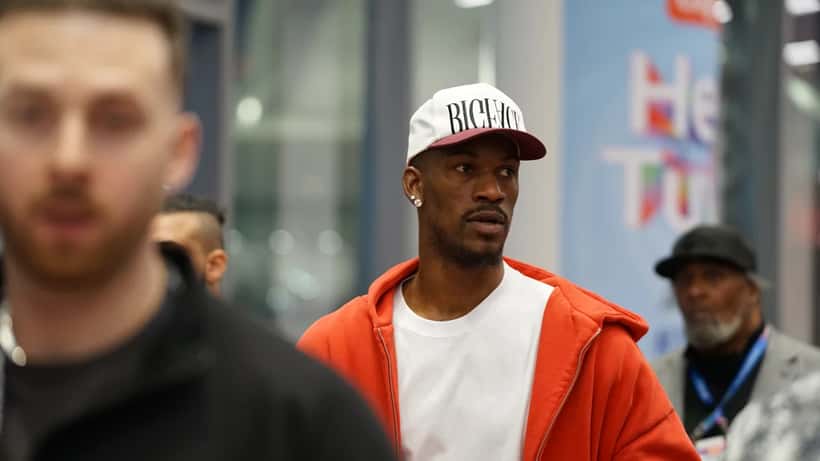
Golden State Warriors forward Jimmy Butler is off crutches and watching from the sideline — but his torn ACL, suffered in mid-January 2026, means he won't return to the court until the 2026–27 NBA season. His injury has renewed public attention on one of the most common and most feared sports injuries: the anterior cruciate ligament tear.
What Happened to Jimmy Butler — and Why It Matters
Butler tore his ACL during a game in January 2026, just months into his first season with the Warriors. As of mid-April, he is no longer using crutches, attends team games, and is undergoing rehabilitation — but experts estimate a full return to professional play is 9 to 12 months away, according to standard sports medicine timelines.
The ACL — the anterior cruciate ligament — is one of four major knee ligaments. It stabilizes the knee joint against twisting and forward-sliding movements. Tearing it is not a rare event: the American Academy of Orthopaedic Surgeons estimates over 200,000 ACL tears occur in the United States each year, with a significant share happening to recreational athletes during activities like basketball, soccer, skiing, and trail running. For a clinical overview, see the AAOS OrthoInfo guide on ACL injuries.
What makes Butler's case notable is not just the severity — it is that it happened to one of the most physically prepared athletes in professional sport. That fact should be a signal to everyday athletes: ACL injuries do not discriminate by fitness level.
The 9-to-12 Month Reality — What the Science Says
One of the most persistent misconceptions about ACL recovery is that modern surgical techniques have shortened the timeline dramatically. They have not. The current standard of care — ACL reconstruction using a patellar or hamstring graft — typically requires 9 to 12 months before an athlete can safely return to competitive sport. For some individuals, particularly women and older recreational athletes, the timeline can extend to 18 months.
Dr. Howard Luks, a board-certified orthopedic surgeon specializing in sports injuries, has written extensively that "return-to-sport criteria are about biology, not just pain tolerance." The graft must integrate fully into the bone, a process called ligamentization, which simply takes time regardless of how aggressively one rehabilitates.
Key phases of ACL recovery:
- Weeks 1–6: Reduce swelling, restore range of motion, protect the graft
- Months 2–4: Rebuild quadriceps and hamstring strength to at least 70% of the uninjured leg
- Months 4–7: Sport-specific movement patterns — cutting, pivoting, jumping
- Months 8–12: Psychological readiness testing and return-to-play decision
- Beyond 12 months: Continued monitoring; re-tear risk remains elevated for 2 years
Returning too early is the primary cause of re-tear. Studies published in the British Journal of Sports Medicine have found that athletes who return to sport before 9 months face a re-tear risk more than four times higher than those who complete the full protocol.
When Should You See a Doctor?
A torn ACL does not always feel catastrophic. Many patients describe a "pop," followed by swelling within a few hours — then a surprising return of mobility within days. This can lead to delayed diagnosis, which increases the risk of secondary damage to the meniscus and cartilage.
See a sports medicine doctor immediately if you experience:
- A sudden pop in the knee during a sporting movement
- Significant swelling within 2 to 4 hours of injury
- Inability to bear weight, or a feeling of the knee "giving way"
- Persistent instability when attempting to pivot or change direction
An orthopedic or sports medicine specialist will typically perform a Lachman test, an anterior drawer test, and order an MRI to confirm the diagnosis. Early diagnosis matters: patients who receive treatment promptly — and begin physical therapy before surgery to restore pre-operative strength — typically achieve better long-term outcomes.
The Weekend Warrior Risk Profile
Butler's injury is a reminder that amateur athletes face the same biological risks as professionals, often without the same access to team physicians, athletic trainers, and rehabilitation infrastructure.
The risk factors that predispose athletes to ACL tears include:
- Biomechanical patterns: Landing with a stiff knee, knee valgus (inward collapse), and poor hip control
- Fatigue: Most ACL tears occur late in training sessions or games
- Sport type: Pivoting sports (basketball, soccer, tennis, skiing) carry the highest risk
- Previous injury: A prior ACL tear doubles the risk of tearing the same or opposite knee
- Insufficient warm-up: Dynamic warm-up protocols have been shown in multiple trials to reduce ACL injury rates by up to 50%
The FIFA 11+ prevention program and similar neuromuscular training regimens are evidence-based and widely available through certified athletic trainers and sports medicine clinics. These 20-minute routines, performed before practice, have been validated in large-scale randomized trials.
What Comes After Surgery — Managing the Mental Load
Less discussed — but clinically important — is the psychological dimension of ACL recovery. Studies published in the Journal of Athletic Training have found that fear of re-injury, not physical capacity, is the primary barrier to return-to-sport for up to 40% of athletes. This is now recognized as a clinical problem, not a motivational one.
Sports psychologists, physiotherapists, and sports medicine physicians increasingly work in coordination to address this. If you are recovering from an ACL tear and find yourself avoiding sport despite clearing physical benchmarks, speaking with a professional is the right step — not a sign of weakness.
Getting Expert Help
Jimmy Butler has a full clinical team guiding his recovery: orthopedic surgeons, physical therapists, strength and conditioning coaches, and team physicians. Amateur athletes deserve the same quality of guidance, even if the stakes are not a Warriors playoff run.
A sports medicine doctor can assess your specific injury, recommend the appropriate surgical or non-surgical pathway, and connect you with a rehabilitation program tailored to your goals. Whether you play recreational basketball or run half-marathons, expert consultation after a knee injury can mean the difference between a clean recovery and chronic instability.
This article is for informational purposes only and does not constitute medical advice. If you have suffered or suspect a knee injury, consult a qualified medical professional for diagnosis and treatment.
