 Elizabeth Chen
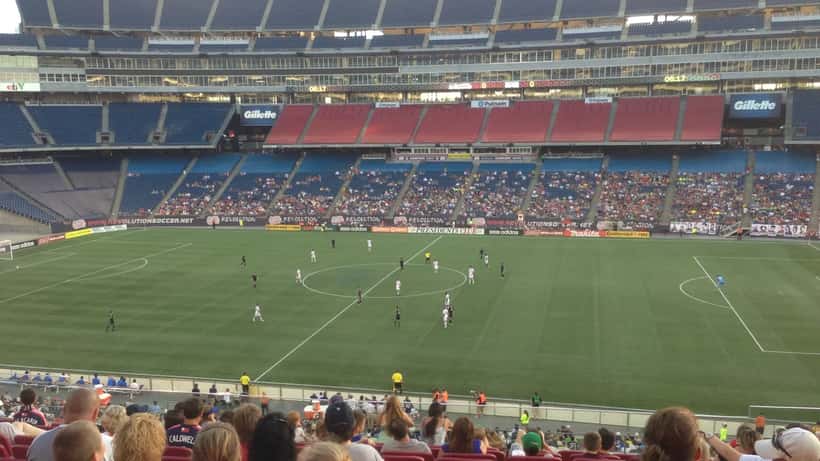
Nashville SC visits New England Revolution at Gillette Stadium tonight, May 13, 2026, at 6:30 PM CT with the Eastern Conference lead at stake for both clubs. The 90 minutes of high-physicality top-of-table soccer also coincides with a quieter milestone: MLS now requires a designated Venue Medical Director at every match, and every CDC-cleared health system in the country is using a stricter 2026 return-to-play standard for concussions in youth soccer modeled on the protocol Nashville and New England players follow tonight.
That parallel matters for the millions of parents whose kids will watch tonight's match and then play their own Saturday-morning game. A concussion at any level of soccer follows the same six-step recovery framework set out by the CDC's HEADS UP program, and most youth players do not finish the protocol correctly.
What MLS does that youth programs often do not
According to MLS competition guidelines for 2026, every regular-season and Audi MLS Cup Playoff match must have a licensed Venue Medical Director on site. The VMD has authority to remove a player from the field for a suspected head injury and to override club medical staff if the situation requires it. Teams also have two concussion substitutions available during playoff games, including extra time, so removing a suspected-concussion player carries zero tactical cost.
That zero-cost-to-remove rule does not exist in most youth, high school, or recreational soccer leagues. A coach short on substitutes still has tactical incentive to leave a kid on the field for "one more minute," and parents on the sideline rarely have a clear protocol to override that choice. The result is that an estimated 65% of youth soccer concussions are managed incorrectly in the first 48 hours, the window that most influences long-term recovery.
The CDC 6-step return-to-play standard
The HEADS UP program, maintained by the CDC, lays out a six-step progression that every athlete must complete before returning to contact play. Each step requires a minimum of 24 hours and must be cleared by a healthcare provider before the athlete moves to the next step.
Step 1 is light aerobic activity only: five to ten minutes on an exercise bike, walking, or light jogging, with the goal of raising heart rate without head impact. Step 2 adds moderate jogging, brief running, and moderate stationary biking with body and head movement. Step 3 introduces non-contact training drills. Step 4 covers full non-contact practice with the team. Step 5 returns the athlete to full contact practice. Step 6 is return to game play.
Critically, an athlete who shows any new symptom at any step must drop back to the previous step and wait another 24 hours. Headache during step 3 drills means returning to step 2 the next day. Most parents skip this reset and let the child progress on schedule, which is the single most common reason for a "second-impact" injury two to four weeks later.
Why this Wednesday matters for kids who watched
Soccer accounts for the second-highest rate of concussions among US high school sports, behind only football. Heading the ball, head-to-head collisions on aerial duels, and falls onto a turf surface all carry real risk. New England's Gillette Stadium uses a hybrid grass-and-synthetic surface that has been studied since 2019 for impact attenuation, and Nashville's GEODIS Park runs a similar pitch.
When a kid sees Anibal Godoy or Carles Gil take a head-on challenge tonight and get pulled by the VMD, that is the protocol working. When the kid takes a similar challenge in their Saturday Y-league game and finishes the half because the team is short-handed, that is the protocol failing.
What a sports-medicine physician adds
A primary-care doctor can clear an obvious head cold; concussion management is a different clinical task. Sports-medicine physicians and pediatric neurologists are trained to administer baseline neurocognitive testing (commonly ImPACT or SCAT5), interpret post-injury results against that baseline, and write a graduated return-to-play letter that a school or league will accept.
The cost ranges roughly from $150 to $400 for an initial consult and follow-up in most US metro markets, often covered by health insurance with a sports-injury referral. A second-opinion consult is particularly valuable if the original clearance was issued by a coach, athletic trainer, or non-specialist physician.
The legal layer most parents miss
State-by-state Lystedt Laws, named after a Washington state youth athlete who suffered catastrophic second-impact syndrome, now require written clearance from a licensed healthcare provider before a youth athlete returns to play after a suspected concussion. Failing to follow that clearance process can expose a club, school, or coach to civil liability if a subsequent injury occurs.
For a parent, the practical implication is simple: any verbal or text-only clearance from a non-specialist is not Lystedt-compliant in any state. A short consultation with a sports-medicine doctor produces the document that protects both the child and the club.
What to do tonight and tomorrow
Watch how the Nashville and New England medical staffs handle any head-injury incident at Gillette Stadium. That is what compliant management looks like. Then take 15 minutes this week to confirm whether your child's league has a written concussion protocol, who its designated medical clearance provider is, and whether a baseline neurocognitive test is on file.
The full CDC return-to-play standard, including symptom checklists and step-by-step worksheets, is published in the CDC HEADS UP returning-to-sports guidelines. When in doubt, a board-certified sports-medicine physician is the right specialist to consult, not a general primary-care provider.
