 Emily Wang
Mississippi Tornadoes 2026: How to Protect Your Insurance Claim After Wednesday's Outbreak
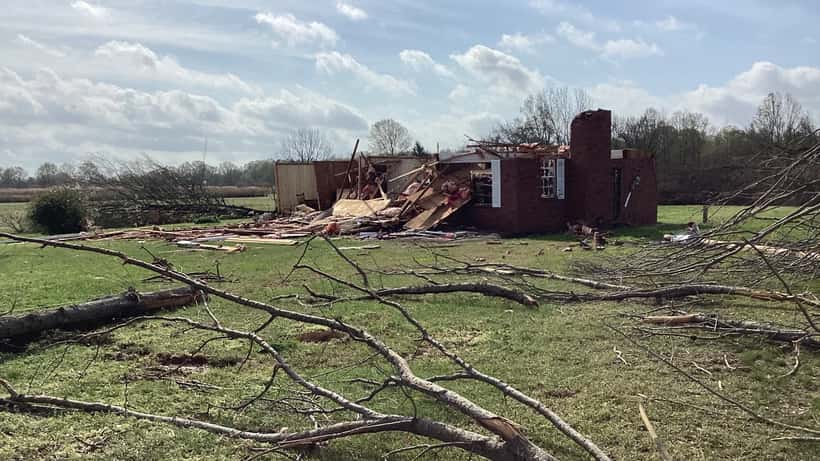
Violent tornadoes swept through central and western Mississippi on the evening of May 6, 2026, triggering rare Tornado Emergency alerts across seven counties and leaving thousands of homeowners facing destroyed or severely damaged properties. Here is what you need to know right now about your legal rights, your insurance coverage, and the federal aid process — before contractors and adjusters start showing up at your door.
What Happened Wednesday Night
The National Weather Service (NWS) in Jackson issued Tornado Emergency warnings — the highest-tier designation reserved for the most life-threatening situations — beginning at approximately 7:09 p.m. CDT. A large, violent tornado was confirmed near Meadville in Franklin County, followed by a second near Enterprise. Damage reports flooded in from seven counties: Franklin, Lincoln, Wilkinson, Adams, Pike, Walthall, and Lamar.
A mobile home park in Bogue Chitto, Lincoln County, was leveled entirely. Structural damage spread across Brookhaven, including downtown commercial buildings. The Lamar County Emergency Management building itself sustained damage. By 10:15 p.m. CT, more than 19,000 customers had lost power statewide. Governor Tate Reeves confirmed in an official statement that "multiple tornadoes have been reported throughout Central and West Mississippi."
Search and rescue teams, including volunteer groups like the Cajun Navy, were deployed as crews found residents trapped in collapsed structures across Wilkinson and Lincoln counties. Schools in Lawrence County District closed on May 7.
The FEMA Timeline Problem — and Why It Matters for You
One of the most critical facts every Mississippi tornado victim needs to understand is that federal disaster aid is not automatic or fast. After the March 2025 Mississippi tornado outbreak — which killed seven people and destroyed hundreds of homes — the state's major disaster declaration request, submitted April 1, 2025, was still pending weeks later while other states received approvals faster for the same storm system.
The federal disaster relief landscape has also changed significantly. The Trump administration has been restructuring FEMA since early 2025, including leadership transitions that have slowed administrative response times. Local officials quoted after the March 2025 storms said plainly: "We need federal help, and we need it desperately, and we need it now." That frustration is instructive for survivors of Wednesday's storms.
What this means practically: do not assume FEMA will cover your losses in the near term. Your private homeowners insurance policy is your first — and likely most reliable — line of defense. You need to act on it correctly and quickly.
Your Homeowners Insurance Rights: Act Before You Sign Anything
If your home was damaged by Wednesday's tornadoes, these steps are critical in the first 72 hours:
Document everything before cleanup. Take photographs and video of every damaged room, structural element, appliance, and personal item. Capture exterior damage from multiple angles. This documentation protects your claim if an insurer later disputes the scope of damage.
File your claim immediately. Most homeowners insurance policies require prompt notice of loss. Delaying can give insurers grounds to reduce or deny your payout. Call your insurer as soon as it is safe to do so.
Understand what your policy actually covers. Standard homeowners policies cover wind damage, including tornado damage, but typically exclude flooding. If storm surge or heavy rainfall flooded your home after the tornado, that damage may only be covered if you have a separate NFIP (National Flood Insurance Program) policy. This distinction trips up thousands of claimants after every major storm. An insurance attorney or public adjuster can review your policy and identify exactly what applies.
You do not have to accept the first settlement offer. Insurance companies send adjusters whose job is to assess damage — but their initial offer is not final. If you believe the estimate is too low, you have the right to dispute it. You can hire a licensed public adjuster (paid from your settlement) or consult an attorney specializing in insurance claims.
Watch for bad faith insurance practices. Mississippi law requires insurers to handle claims in good faith. Unreasonable delays, lowball offers without proper investigation, or outright denial without valid grounds may constitute bad faith — which can entitle you to additional damages beyond your policy limits. If your insurer is stonewalling, a legal consultation is warranted.
According to research on tornado insurance patterns in the region, Mississippi is part of what climate scientists now call "Dixie Alley" — a stretch of the Deep South that has become statistically more tornado-prone than the traditional Oklahoma-Kansas tornado belt, according to NOAA's Storm Prediction Center. Mobile home residents face particularly acute risk, as manufactured housing has far lower structural resilience than site-built homes, a reality that played out in Bogue Chitto Wednesday night.
Contractor Fraud: The Second Wave of Damage
After major storms, contractors — some legitimate, many not — descend rapidly on disaster zones. Mississippi has seen this pattern repeatedly. Watch for:
- Unlicensed contractors offering suspiciously fast or cheap repairs
- Requests for large upfront cash payments before work begins
- Contractors who ask you to sign over your insurance rights (an "Assignment of Benefits" agreement) — this effectively removes you from your own claim process
- High-pressure sales tactics urging you to sign immediately
Always verify a contractor's license through the Mississippi State Board of Contractors before agreeing to any work. Get multiple written estimates. Never pay in full before work is completed to your satisfaction.
For homeowners navigating both insurance disputes and contractor issues, consulting a licensed attorney who specializes in property damage or consumer protection can clarify your options before you sign documents that limit your rights.
What to Do Right Now
If your home or rental property was affected by Wednesday's tornadoes, here is your immediate action list:
- File a homeowners or renters insurance claim today
- Document damage with photos/video before any cleanup
- Secure your property against further damage (insurers may expect this)
- Monitor official MEMA and state emergency management channels for disaster declaration updates
- Do not sign any contractor agreement without reading it carefully — and if anything seems off, get a legal review first
Understanding that tornado season brings specific insurance risks that vary by policy type is the first step toward protecting your financial recovery. A licensed attorney or public adjuster familiar with Mississippi insurance law can be invaluable in navigating the claims process — especially if your insurer pushes back.
Disclaimer: This article provides general information about insurance claims and legal rights following natural disasters. It is not legal advice. Every situation is different. Consult a licensed insurance attorney or public adjuster in Mississippi for guidance specific to your circumstances.
