 Emily Wang
When Mike Evans was carted off the field with a rib injury during the San Francisco 49ers' Week 3 game against the Arizona Cardinals on September 27, 2026, the immediate conversation turned to his health. But the 33-year-old wide receiver's situation raises a broader question that applies well beyond professional football: what actually happens to your pay when an injury interrupts an incentive-heavy contract?
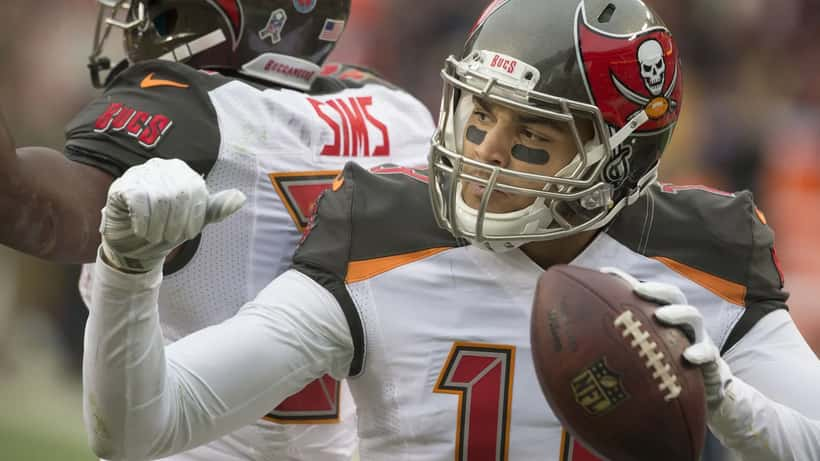
Evans signed with San Francisco in March 2026 after 12 seasons with the Tampa Bay Buccaneers, reportedly for $60.4 million over three years — a headline figure that obscures a more complicated financial reality. Understanding that contract reveals patterns that apply to anyone whose compensation package relies heavily on performance milestones, bonuses, or equity vesting.
The Gap Between Headline Salary and Guaranteed Money
According to ESPN's Adam Schefter, the 49ers signed Evans to a three-year deal worth $60.4 million with incentives. The base contract value sits at approximately $42.4 million, with fully guaranteed money of just $14.3 million, per overthecap.com. That leaves roughly $46.1 million — more than three-quarters of the headline figure — contingent on Evans staying healthy and productive enough to hit performance thresholds.
For a player who missed most of the 2025 season with a hamstring strain, concussion, and broken collarbone (recording just 30 receptions for 368 yards in eight games with Tampa Bay), this structure carries meaningful risk. The 49ers receive injury protection through limited guarantees; Evans accepts that risk in exchange for the upside of a $60.4 million ceiling.
NFL contracts separate incentives into two categories under the league's Collective Bargaining Agreement: "likely to be earned" (LTBE) and "not likely to be earned" (NLTBE). Since Evans' 2025 production was modest, most of his thresholds for 2026 qualify as NLTBE — meaning they only count against the salary cap when he actually achieves them. For Evans, every game missed is a game without production, and every week without production is a week that performance-based pay slips further out of reach.
What Happens to Incentives When You're Injured
The NFL standard player contract includes Article 45 injury protection provisions, which provide partial salary protection if a player is unable to perform due to a football-related injury. But that protection applies to base salary and signing bonuses already paid — not to performance incentives yet to be earned. When Evans left the field in Week 3, any reception, yardage, or touchdown thresholds he hadn't yet hit were effectively frozen.
NFL Network's Ian Rapoport described the injury as a rib strain, with head coach Kyle Shanahan stating it "shouldn't be long term." The 49ers' receiver room was already thin — Ricky Pearsall had been lost for the season and Demarcus Robinson placed on injured reserve — making Evans' return timeline a significant team concern as well as a personal financial one.
But the contractual dynamic here is not exclusive to professional athletes. Performance-contingent compensation structures are increasingly standard across industries: sales bonuses, quarterly revenue targets, equity vesting schedules tied to employment tenure, milestone payments in executive contracts. When a medical situation interrupts those arrangements, the financial consequences can be severe — and the legal protections are far murkier than most employees realize at the time they sign.
The Incentive Clause Trap: When Upside Becomes Exposure
The appeal of incentive-heavy contracts is obvious: they offer higher theoretical earnings than flat-rate packages, and high performers expect to clear the thresholds. The risk is less visible: in a well-structured deal, the employer retains most of the downside protection.
Consider a sales professional offered a choice between a $180,000 flat salary and a $130,000 base with a $70,000 annual performance bonus (for $200,000 total at target). The incentive structure looks superior — unless that employee faces a medical leave, a territory reassignment, or a company-wide quota adjustment mid-year. In each case, the additional $50,000 in theoretical upside comes with contingencies the flat-rate offer never imposed.
Under the Americans with Disabilities Act (ADA) and the Family and Medical Leave Act (FMLA), employers cannot directly punish employees for taking qualifying protected leave. But incentive structures that "neutrally" penalize time away from work occupy a genuine legal gray zone — one that employment lawyers regularly navigate for clients who discover, after a medical absence, that their performance period counted as underperformance rather than being tolled or prorated.
Concrete Case: The Sales Director Who Lost $55,000
Consider Jordan, a 43-year-old pharmaceutical sales director in Chicago who accepted a new regional role in January 2026. Her package included a $145,000 base salary, an annual performance bonus of up to $55,000 (paid at 50% if she hit 80% of territory quota, and 100% if she reached 110%), and a 10,000-share equity grant vesting over three years.
In April 2026, Jordan underwent surgery for a herniated disc — a condition unrelated to work — and spent seven weeks on short-term disability. Her employer continued her base salary during that period under her group disability coverage. But her Q2 sales numbers were zero, pulling her projected annual attainment from 109% (on track for full bonus) to an estimated 71% — below the 80% floor required for any payout.
The math: Jordan lost the entire $55,000 performance bonus despite being injured through no fault of her own, and despite being on pace to earn it before the medical event.
Her contract contained no injury tolling clause — no language stating that quota periods missed due to qualifying medical leave would be excluded from annual calculations or that targets would be pro-rated by actual working days. Without that provision, she faced a choice: negotiate informally with her employer (who had no contractual obligation to adjust), or explore whether the all-or-nothing incentive cliff violated her ADA or FMLA protections.
The if/then breakdown for Jordan:
- If her contract included pro-rated quota language: she would receive the full $55,000, since her pre-leave trajectory cleared 110% annualized
- If her employer applied different standards to other employees who missed time: she would have a potential discrimination claim worth reviewing with an employment attorney
- If her contract was silent on injury and no disparate treatment existed: she received $0 in bonus, with her recourse limited to informal negotiation or a formal ADA challenge — an expensive and uncertain path
- If she had negotiated tolling language before signing: a 30-minute conversation with an employment lawyer during the offer stage could have protected $55,000 in compensation
This is not a hypothetical edge case. Employment attorneys who work with mid-to-senior professionals report that incentive bonus disputes are among the most common reasons clients come to them after a medical event — and among the most preventable, with the right contract language in place.
Five Contract Clauses Every High Earner Should Review Before Signing
Whether you are a wide receiver reviewing an NFL contract or a director accepting an offer letter, these five provisions determine how much of your total compensation is actually protected:
1. Guarantee vs. contingent pay ratio. What percentage of your expected annual compensation is unconditionally owed to you? A ratio below 40% means the majority of your earnings are exposed to performance risk, market conditions, or health circumstances.
2. Injury and medical leave tolling provisions. Does a qualifying medical absence pause your performance clock — treating the missed period as if it did not occur — or does it simply count as underperformance? The absence of any language here is itself informative.
3. Proration language. Are annual targets and thresholds adjusted if your working period is shortened by circumstances outside your control, including approved leave, company restructuring, or territory changes?
4. Clawback clauses. Some incentive packages require repayment of bonuses if you leave within a defined period, even after performance targets were met and paid. Understand the repayment timeline and the circumstances that trigger it.
5. Definitions of "cause" and termination triggers. Broad definitions of termination for cause can eliminate unvested compensation and bonuses already earned. A single ambiguous clause can expose you to disputes that cost more to litigate than the amount in question.
According to the U.S. Department of Labor's FMLA guidance, the FMLA guarantees the right to take qualifying leave and return to the same or equivalent position — but it does not mandate that employers adjust incentive calculations or bonus thresholds to account for leave periods. Employees have limited federal protections over the structure of incentive programs, meaning the contract itself is the primary source of protection, not statute.
Before You Sign, or Before You're Injured
Mike Evans has a team of agents and attorneys reviewing every clause in his contract. Most professionals negotiating an employment offer do not — and discover the consequences only after a medical leave or performance dispute has already begun.
If more than 25% of your expected compensation is performance-contingent, a one-time review with an employment attorney before signing typically costs between $200 and $600 for a one-hour consultation. That cost is rarely material compared to the incentive amounts at stake. What an employment lawyer reviews is not just whether the contract is enforceable, but whether its incentive structure leaves you exposed in the specific scenarios most likely to occur — medical leave, restructuring, a change in management, or a mid-year quota adjustment.
ExpertZoom connects you with employment lawyers and legal professionals who can review contract terms, flag incentive clause risks, and advise on negotiating stronger protections before you sign. The time to ask these questions is before the contract is executed — not after the injury.
This article is for informational purposes only and does not constitute legal advice. Consult a licensed employment attorney for guidance specific to your contract and jurisdiction.
