 Harper Brooks
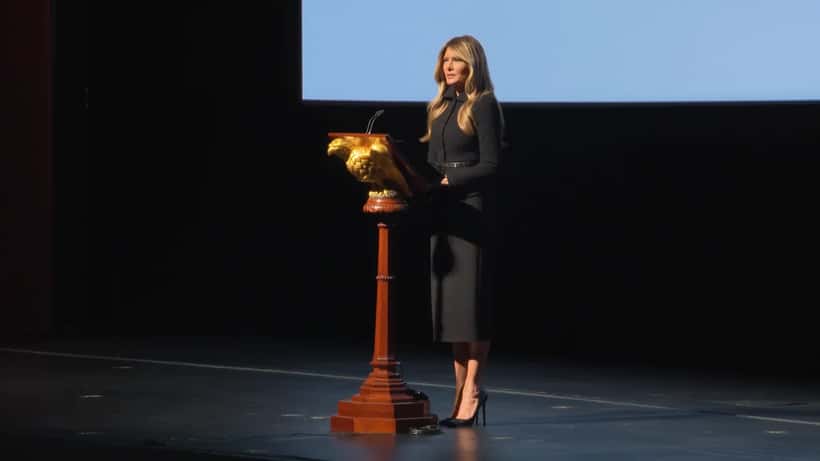
First Lady Melania Trump and Treasury Secretary Scott Bessent launched the Fostering the Future Accounts on June 11, 2026 — America's first dedicated savings and investment vehicle designed exclusively for children in the foster care system. Backed by the One Big Beautiful Bill Act, the initiative gives every foster youth born between 2025 and 2028 a $1,000 Treasury deposit to begin building wealth before they age out of the system.
The program is a direct extension of the Trump Accounts initiative, but with a specific focus on one of the country's most financially vulnerable populations: the roughly 400,000 children currently in foster care.
What Are Fostering the Future Accounts?
Fostering the Future Accounts are tax-deferred investing accounts available to children under 18 who are in the foster care system. Unlike a standard savings account, these accounts are designed to grow through market participation over years — not just collect interest.
The program was developed in partnership with the Department of the Treasury and marks the first time foster youth have had access to a structured, federally supported investment vehicle. Children do not need to do anything to receive the $1,000 Treasury deposit; states and foster agencies handle enrollment on their behalf.
"Fostering the Future Accounts give foster children the same chance for asset ownership and long-term wealth building as every other American child," Melania Trump said at the June 11 launch. "By investing in our foster youth now, we help strengthen America's workforce, communities, and economic future."
The Numbers: What $1,000 Grows Into
The financial projections from the White House Council of Economic Advisers are striking. A Fostering the Future Account seeded with the initial $1,000 Treasury deposit — with zero additional contributions — is projected to reach:
- $5,800 by age 18, when youth can first access their funds
- $18,100 by age 28, if the account stays invested for an additional decade
These figures assume average market returns over time. In practice, actual growth depends on which investment options are selected within the account, market performance, and whether families, states, or employers make additional contributions along the way.
23 Governors and Growing
As of the June 2026 launch, twenty-three Governors had already pledged to establish Fostering the Future Accounts for children within their states' care. First Lady Melania Trump has also called on business leaders and private donors to supplement the Treasury's $1,000 seed deposit, meaning some foster youth may enter adulthood with substantially more than the baseline projection.
Policy guidance and enrollment FAQs for states, foster families, and caseworkers are available through the U.S. Department of the Treasury.
The Aging-Out Crisis: Why Financial Foundations Matter
Foster youth face a financial cliff that most Americans never encounter. Young people who "age out" of foster care at 18 leave the system without the family safety nets — informal loans, rent subsidies, co-signed leases — that most adults rely on during their early independent years.
The financial consequences are well-documented. Youth who age out of foster care face significantly higher rates of homelessness, unemployment, and poverty in the years immediately following their departure from the system, compared to peers raised in stable family environments. Many arrive at 18 with no credit history, no savings, and no experience managing an investment account.
This is precisely why the Fostering the Future Accounts initiative carries real weight: for many of these youth, the account will represent their only structured financial asset when they enter adulthood.
But receiving the account is only the beginning.
When to Consult a Wealth Management Expert
For foster youth, guardians, and caseworkers navigating these accounts, several practical questions arise that go well beyond the basics of account enrollment:
What investment options should be selected? Trump Accounts allow holders to invest in market-based funds, but the specific choices made at enrollment — or by an 18-year-old taking control of the account — can have lasting effects on long-term returns.
Can additional contributions be made? Yes. States, businesses, and individuals can contribute beyond the Treasury's initial deposit. Understanding annual contribution limits, the tax treatment of those contributions, and the optimal timing for adding funds requires financial expertise.
What are the withdrawal rules? Foster youth can access their Fostering the Future Account when they turn 18. But access doesn't mean automatic benefit. A full early withdrawal triggers taxes and potentially forfeits years of compounding growth. A wealth management advisor can model different scenarios — partial withdrawal vs. continued investment — so young adults understand exactly what each decision costs in the long run.
How does the account affect benefit eligibility? Many foster youth receive housing assistance, Medicaid, or educational grants after aging out. An investment account with a growing balance can affect means-tested eligibility for these programs. A licensed advisor can help youth and their support networks understand the interplay between account assets and benefit eligibility.
How does this fit into a broader financial plan? Fostering the Future Accounts are a foundation, not a complete financial strategy. For youth entering the workforce, managing student debt, or planning housing, an advisor can integrate the account into a broader picture.
This article is for informational purposes only and does not constitute financial advice. Please consult a licensed financial professional for guidance tailored to your individual circumstances.
A Policy Head Start — and the Expertise to Make It Count
The Fostering the Future Accounts initiative represents a meaningful structural change for a population that has historically been left out of wealth-building programs. A $1,000 investment that could grow to $18,000 by age 28 is not a windfall — but it is a genuine starting point, and for many foster youth, it will be the first financial asset they have ever owned.
As Trump Accounts launched more broadly on July 4, 2026, the Fostering the Future extension demonstrates how targeted financial policy can reach populations who need it most. Making the most of that policy, however, takes more than a federal deposit. It takes education, planning, and often the guidance of someone who specializes in exactly this kind of long-term wealth building.
Wealth management experts available through ExpertZoom can help foster youth, their advocates, and the families supporting them understand how to grow these accounts, avoid costly early withdrawal decisions, and build the financial independence that Melania Trump's initiative is designed to create.
