 Charles Jackson
May Day 2026 Brought 500 Organizations Into the Streets: The 4 Labor Rights That Made Them March
The Revolution That Packed US Streets on May 1, 2026
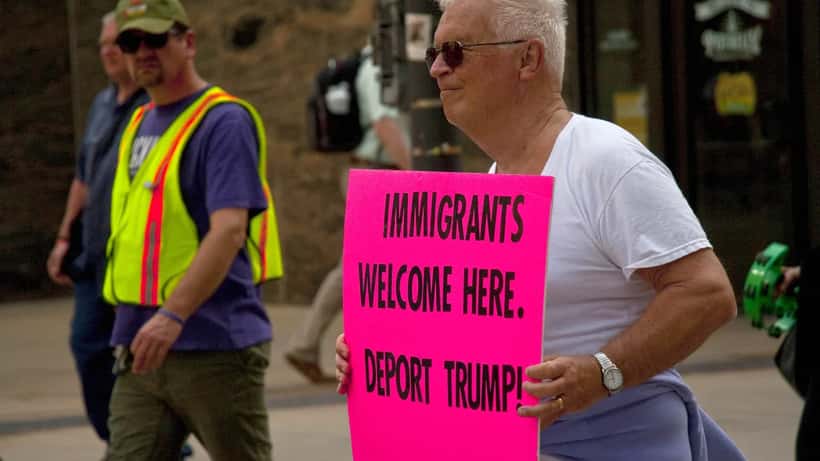
On May 1, 2026, nearly 500 organizations coordinated protests across the United States under a single rallying cry: "Workers Over Billionaires." From manufacturing towns in the Midwest to city centers in New York, Los Angeles, and Chicago, workers, union organizers, and advocacy groups turned out in numbers that surprised even the event's organizers — despite harsh weather in several regions.
The underlying message was unmistakably political. Critics of the current administration described its economic policies as a systematic restructuring of power away from workers and toward capital — a word that kept appearing in the speeches, the signs, and the social media coverage: revolution.
But behind the banners and the speeches, many of the workers who showed up on May 1 were not primarily motivated by rhetoric. They came because they felt their workplace rights were being eroded — and they were not sure what they could actually do about it legally.
That gap between political energy and practical knowledge is exactly where an employment lawyer earns their value.
Right 1: The Right to Organize
The National Labor Relations Act gives most private-sector employees the right to form, join, or assist a union and to engage in collective bargaining. This right is protected regardless of whether your employer wants you to organize — and retaliation is illegal.
In 2026, enforcement of these protections has become more contested. The May Day protests partly reflected concern that recent executive orders and federal budget changes were reducing the National Labor Relations Board's capacity to investigate unfair labor practice complaints. As of May 2026, the NLRB has a significant backlog of pending cases.
What this means in practice: if you have faced pressure to sign a union avoidance pledge, been moved to a less favorable schedule after attending an organizing meeting, or been told by a manager that discussing wages with coworkers is against company policy — all of these may be illegal under federal law, and all of them can be challenged.
Right 2: The Right to Strike
Strike activity in the US hit a multi-decade high in 2025, and 2026 has continued the trend. Lawful strikes are protected activity under the NLRA, but the line between protected and unprotected conduct is not always obvious.
A protected strike — over wages, hours, or working conditions — cannot result in your termination. An employer may hire temporary replacement workers during an economic strike, but cannot permanently replace workers in an unfair labor practice strike.
An unprotected strike — such as a wildcat strike in violation of a no-strike clause, or a strike with illegal objectives — can result in termination.
If you participated in May Day 2026 protests or work stoppages and have faced disciplinary action, the first question is whether your activity was covered by federal labor law protections. An employment attorney can tell you within one conversation whether you have a viable unfair labor practice claim.
Right 3: The Right to Discuss Your Pay
The most violated labor right in the US is also one of the least known: employees have the federal right to discuss their wages, hours, and working conditions with coworkers. Employers who prohibit these conversations — through explicit policy or implicit intimidation — are violating the NLRA.
This issue was central to May Day 2026. Many workers reported not knowing what their colleagues earned, which makes wage discrimination harder to identify and challenge. Pay transparency laws have now been enacted in California, Colorado, New York, and Washington state, requiring employers to disclose pay ranges in job postings. More states are considering similar legislation in 2026.
If your employer has a policy prohibiting wage discussions, or if you have been disciplined for talking about pay with a coworker, that policy is likely illegal and can be challenged.
Right 4: Protection From Retaliation
Across all labor rights, the most important protection is also the most frequently tested: retaliation is prohibited. An employer cannot fire, demote, cut the hours of, or otherwise punish an employee for:
- Filing a wage complaint with the Department of Labor
- Participating in a union organizing campaign
- Reporting safety violations to OSHA
- Joining a lawful strike or protest
- Discussing wages with coworkers
In 2026, retaliation claims are among the fastest-growing categories of employment litigation. The National Labor Relations Board and the Department of Labor both accept retaliation complaints, and many states have additional protections that exceed federal minimums.
According to the US Department of Labor, workers can file wage and hour complaints confidentially and free of charge — the DOL Wage and Hour Division recovered $274 million for workers in fiscal year 2025 alone.
The Gap Between Knowing Your Rights and Enforcing Them
The "Workers Over Billionaires" protests made a political statement. But legal rights are only as useful as your ability to enforce them — and enforcement requires documentation, timing, and in most cases, legal counsel.
If you attended the May Day 2026 protests and found yourself wondering what you could actually do about the conditions that brought you there, the answer is often more specific than the political framing suggests:
- If your wages have been stolen through unpaid overtime or off-the-clock work — you have a federal wage claim
- If you were disciplined for organizing activity — you may have an NLRB unfair labor practice case
- If your employer told you not to discuss your pay — that policy is likely illegal
- If you were retaliated against for any protected activity — that is a separate, enforceable claim
ExpertZoom connects you with employment lawyers across the United States who handle labor rights cases. Many work on contingency — meaning you pay nothing unless you recover. The revolution May Day invoked is a long one. Knowing your rights is where your part of it starts.
Disclaimer: This article provides general legal information and does not constitute legal advice. Consult a qualified attorney for guidance specific to your situation.
