 Isabella Torres
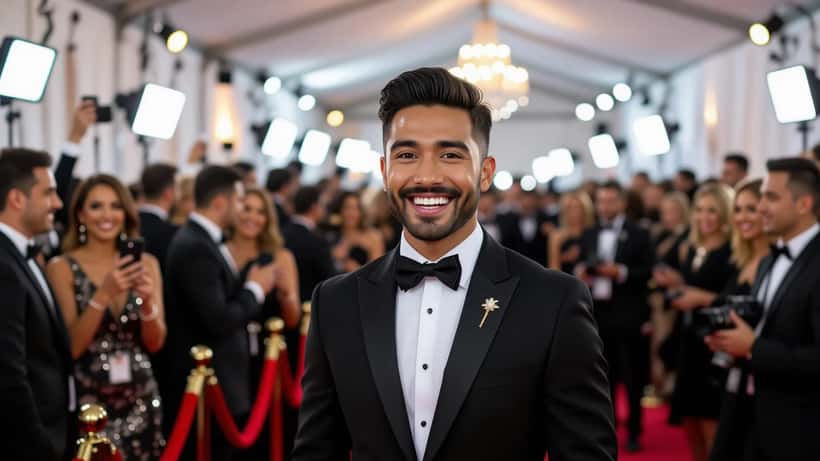
Marcello Hernández stepped onto the Met Gala steps on May 4, 2026 wearing a Thom Browne black suit decorated with safety pins — and a brooch his mother handmade in Miami with Dominican larimar stone, Cuban azabache, and a guardian angel charm. The SNL cast member was there with his girlfriend, architect Ana Amelia Batlle Cabral. "It's our first time," he told reporters. "We feel like little kids." For the 28-year-old comedian, the Met Gala debut was more than a fashion moment — it was a signal that his personal brand has reached a new tier. Entertainment lawyers say moments like this are exactly when rising comedians need to get their legal house in order.
From SNL to the Met Gala: Hernández's Rising Career
Hernández joined Saturday Night Live in 2022 and has moved quickly. His Netflix special "American Boy" — filmed in Miami and released on January 7, 2026 — climbed to No. 3 on the TV charts in its opening week. He has appeared in "Happy Gilmore 2" alongside Adam Sandler, has voice roles in "Shrek 5" and "The Angry Birds Movie 3," and has an upcoming comedy film "72 Hours" with Teyana Taylor and Kevin Hart.
That trajectory — network television, Netflix, franchise films — means his name now carries commercial value that did not exist three years ago. Met Gala invitations rarely go to entertainers without brand architecture conversations already in motion.
Why Brand Deals Come Fast — and Why That Creates Legal Risk
When a comedian's profile rises sharply, brand deal offers tend to arrive faster than the infrastructure to evaluate them properly. Sponsorship inquiries, social media partnership proposals, product licensing requests, and performance booking offers can arrive simultaneously — each carrying different terms, exclusivity clauses, and long-term implications.
Entertainment lawyers frequently see comedians at this career stage make four costly mistakes:
Signing without reading the exclusivity clause: Many sponsorship agreements include category exclusivity provisions that prevent the talent from working with competing brands for 12-24 months. A comedian who signs a deal with one beverage brand may unknowingly prohibit themselves from accepting a better offer from a competitor.
Granting broad IP rights in performance agreements: Festival contracts, streaming deals, and corporate engagement agreements sometimes include language that grants the venue or platform rights to record, distribute, and monetize the performance content. Without a clear IP carve-out, footage from a live show can be repurposed and monetized by the buyer long after the event.
Neglecting to copyright their material: Stand-up comedy scripts, written jokes, and recorded specials are protectable under US copyright law, according to the US Copyright Office. The protection exists the moment the material is fixed in a tangible form — but registration with the Copyright Office creates a legal record and provides the foundation for infringement claims if another comedian or platform uses the material without permission.
Missing the social media ownership issue: When a brand hires a comedian for a social media campaign, the content created during the collaboration may be jointly owned or assigned entirely to the brand under the contract. Understanding who owns what — and for how long — before signing protects creative control down the line.
Protecting Your Comedy Material: A Practical Framework
For comedians who are now operating at the level where brand attention is real, entertainment lawyers recommend a four-step legal framework:
Register your specials and key material: Once a special is filmed and before it is released, registering the copyright with the US Copyright Office creates a timestamped legal record. The registration fee is relatively low; the enforcement protection it provides is significant.
Negotiate IP ownership in every deal: Any contract for a performance, a branded content campaign, or a streaming special should include explicit IP ownership language. Who owns the recording? Who can clip it? Who can run it in advertising? These questions must be answered before signing, not after.
Use a single entertainment lawyer to review all deals: Many rising comedians review one-off contracts with different attorneys or no attorney at all. Having a single entertainment lawyer who understands your full portfolio of deals can catch conflicts — especially between exclusivity provisions — before they become expensive problems.
Separate your personal brand from your business entity: Forming an LLC or S-Corp that holds your entertainment contracts, merchandise rights, and licensing agreements creates a legal separation between personal liability and professional risk. It also simplifies taxation when multiple income streams are involved.
For context on how celebrity brand partnerships are typically structured, see how Morgan Freeman's Audi deal illustrates the key contract clauses that celebrities negotiate.
The Met Gala Moment and What Comes Next
Hernández's Met Gala debut was meaningful for the same reason his mother's handmade brooch was meaningful: it signaled identity, heritage, and arrival. In the entertainment industry, those moments also attract attention from brand managers, talent agencies, and licensing partners who see an opportunity.
The question for comedians at this inflection point is not whether opportunities will come — it is whether they are legally prepared to evaluate them. Entertainment contract law is complex, and the terms that seem standard in a first reading often contain clauses that constrain future deals. For rising comedians, proactive legal guidance is not a luxury reserved for A-listers. It is a practical tool for protecting the work they have spent years building.
This article is for informational purposes only and does not constitute legal advice. Consult a licensed entertainment attorney for guidance specific to your contracts and career.
