 Kristen Williams
The 50th edition of the Macy's Fourth of July Fireworks lit up the New York City skyline on July 4, 2026 — and most Americans watched it from their living rooms. With NBC and Peacock carrying the two-hour special featuring Post Malone, Noah Kahan, Blake Shelton, Bebe Rexha, and Salt-N-Pepa, the milestone broadcast became one of the most-streamed live events of the year. But as tens of millions of households tuned in, many faced the same frustrating reality: the show looked far better on some setups than others.
The 50th Anniversary Show: A Historic Broadcast
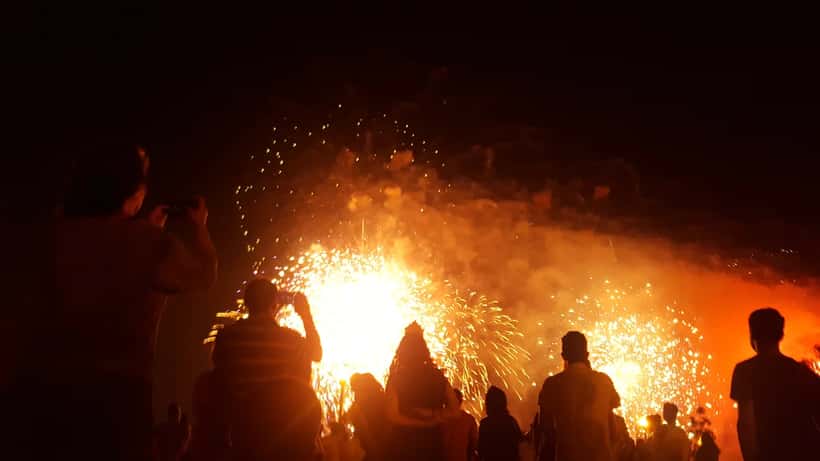
This year's event was no ordinary July 4th display. Staged to coincide with America's 250th anniversary, the Macy's show featured more than 85,000 fireworks shells in 30 different colors, a laser light show projected directly from the Brooklyn Bridge, and a synchronized 27-minute pyrotechnic finale launched simultaneously from three separate locations — the Lower East River Seaport, the lower Hudson River in partnership with Jersey City, and the Brooklyn Bridge itself.
NBC broadcast the two-hour special beginning at 8 p.m. ET on Saturday, with Terry Crews hosting and a lineup spanning hip-hop, country, and pop. Peacock streamed it live with a standard subscription. But whether viewers actually saw those 85,000 shells in full resolution depended almost entirely on the equipment and settings in their home — factors that a consumer electronics expert can help optimize before the next major live event.
Why Fireworks Are One of the Hardest Things to Stream
Fireworks push video compression algorithms to their limits. They combine extreme contrast — a pitch-black sky lit by brilliant white, red, and gold bursts — with rapid movement, trailing sparks, and smoke that scatters light unpredictably. These elements create the exact conditions where standard codecs struggle most.
Consumer electronics specialists note that live streaming of high-contrast events compresses these high-motion frames aggressively, even at 1080p. The result: blocky artifacts where smoke meets light, washed-out colors, and — on slower connections — buffering at the worst possible moment. Over-the-air NBC still delivers a more consistent live signal than most internet streams, which is why antenna-equipped households often reported the cleanest picture on July 4. ENERGY STAR-certified televisions are required to meet specific display quality and power management standards set by the EPA; the ENERGY STAR TV program specifications detail the brightness and refresh-rate benchmarks that certified models must meet — a useful baseline when evaluating whether your current TV is performing as designed.
What Consumer Electronics Experts Check First
For anyone who noticed quality issues during the broadcast — or wants to be ready for the next major live event — specialists point to four variables that determine viewing quality.
Internet speed and connection type. Peacock recommends at least 25 Mbps for HD streaming. During peak holiday viewing hours, neighborhood network congestion can drop effective speeds well below that threshold. A wired Ethernet connection to your streaming device or smart TV bypasses the WiFi congestion that affects most households during large shared events.
Motion processing settings. Most modern televisions default to motion smoothing — sometimes called "Auto Motion Plus," "TruMotion," or "MotionFlow" depending on the brand. These modes artificially process motion in ways that can make fireworks look plasticky or oversmoothed. Consumer electronics experts consistently recommend disabling them for live events. Look for your TV's "filmmaker mode" or "game mode" if the motion processing menu isn't immediately visible.
HDR calibration. If your television supports HDR10 or Dolby Vision, a fireworks broadcast is one of the best use cases — the high peak brightness of a quality OLED or QLED display can reproduce the visual punch of real fireworks far better than standard dynamic range. But this only works if your streaming source is delivering an HDR signal and your TV is correctly configured. Many households own HDR-capable televisions that have never had HDR properly enabled.
Audio setup. The NBC broadcast delivered a full surround soundtrack — crowd noise, performances, and the deep bass of each shell detonation. A standard TV speaker cannot reproduce frequencies below roughly 80 Hz, which means viewers relying on built-in speakers missed the physical impact of the explosions entirely. Even a basic soundbar with a subwoofer changes the experience dramatically.
Streaming Device Matters More Than Most Buyers Realize
Not all streaming hardware handles live events equally. Older streaming sticks — particularly those more than three to four years old — may lack the processing capacity to decode high-bitrate live streams without dropping frames or introducing lag. They also frequently lack support for the latest codecs (AV1, HEVC) that Peacock and NBC use to deliver higher quality at lower bandwidths.
For the 2026 Macy's broadcast, devices certified for Dolby Vision playback delivered the sharpest results on compatible streams — Apple TV 4K, Roku Ultra, and Amazon Fire TV Cube consistently outperformed budget sticks in side-by-side comparisons reported by viewers online. The gap between devices is rarely visible during slow-paced content but becomes obvious during a 27-minute fireworks finale.
For households that also stream live sports, the same device and network considerations apply. The setup analysis in how MLB fans optimized their streaming for live 2026 games covers the network configuration steps in more detail.
When to Consult a Consumer Electronics Expert
The combination of variables in a genuinely optimized home entertainment setup — network configuration, TV calibration, audio system tuning, and device selection — is more complex than manufacturers' "plug and play" messaging suggests. A consumer electronics professional can audit an entire home setup in under an hour, identify bottlenecks, and make calibration adjustments that most owners never discover on their own.
With major live events increasingly moving to streaming platforms — the America's 250th anniversary broadcast was one of several NBC specials planned for the remainder of 2026 — the value of a professionally calibrated setup has grown. This is especially true for households that recently upgraded to a 4K or OLED television and have not yet seen the improvement they expected, or for anyone who watched the Macy's finale through a haze of buffering and compression artifacts.
A consumer electronics expert on ExpertZoom can remotely review your device inventory, internet plan, and TV settings, then recommend the specific changes — hardware upgrades, settings adjustments, or network improvements — that will deliver the most visible improvement for your budget.
The 50th Anniversary in Numbers
The scale of the 2026 Macy's fireworks reflected both milestones it was marking:
- 85,000 fireworks shells launched in 30 colors
- 3 simultaneous launch locations across New York City
- 27-minute pyrotechnic finale
- 6 headline performers on the NBC broadcast
- 100,000 lottery tickets issued for in-person viewing spots
- 2 hours of live programming on NBC and Peacock beginning at 8 p.m. ET
For the millions who watched from their couches, whether those 85,000 shells looked like a front-row seat to history or a blurry, buffering disappointment came down almost entirely to setup choices that most households make once — at the moment of purchase — and rarely revisit. A consumer electronics expert can change that in a single conversation.
