 Odette Caplan
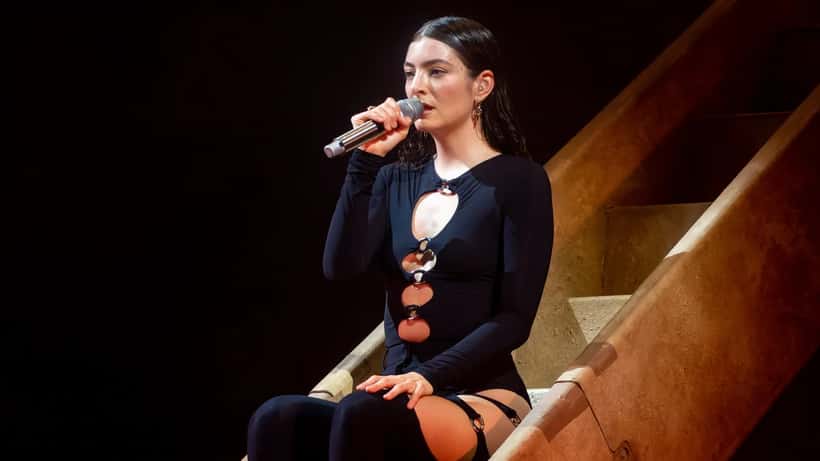
Lorde is wrapping up the North American leg of her Ultrasound World Tour this week in Los Angeles — and for the first time in her career, she is doing it as an independent artist. The New Zealand singer-songwriter, whose 2013 debut single "Royals" made her one of the most recognizable voices of her generation, revealed in late 2025 that her contract with Universal Music Group had expired. She signed her first record deal when she was 12 years old.
"I was looking for a clean slate," Lorde told her fans in a series of community voice notes, explaining that after nearly two decades with the same label, she wanted to own her creative future outright. "The contract I signed as a child — it's done."
For entertainment lawyers, that sentence carries enormous legal weight.
Contracts Signed at Age 12: What the Law Says
Under U.S. law and the laws of most English-speaking countries, contracts signed by minors are generally voidable — meaning the minor (or their parents) can choose to affirm or disaffirm the contract either during or shortly after they reach adulthood. This is a fundamental protection designed to shield children from being bound for life by agreements they couldn't fully understand.
In practice, however, the entertainment industry has developed legal workarounds that can make it very difficult for young artists to exercise those rights. Recording contracts routinely include:
- Long-term option periods that extend the contract far beyond what was originally disclosed to a minor's parents
- Assignment clauses that transfer ownership of the master recordings from the artist to the label, sometimes permanently
- 360 deals that entitle the label to a percentage of touring revenue, merchandise, sponsorships, and other income streams the artist develops independently
- Sunset clauses on the ability to disaffirm, which vary by jurisdiction
California, which governs most U.S. entertainment contracts, has specific legislation under the Family Code (Sections 6750–6753) that requires court approval for contracts signed by minors in the entertainment industry. This approval — designed to protect the minor — often also has the effect of making those contracts harder to void later.
Lorde signed her deal under New Zealand and potentially UK law, where rules differ. But her story illustrates a challenge that American young artists face every day.
What Young Artists — and Their Parents — Often Get Wrong
Most parents of aspiring young musicians focus on the opportunity when a label approaches with a deal. The legal fine print comes second. That is understandable. It is also, according to entertainment attorneys, one of the most common and costly mistakes in the industry.
Here are the key questions a lawyer should answer before any young artist signs anything:
1. Who owns the master recordings? The difference between owning your masters and licensing them to a label is the difference between building long-term wealth and earning a royalty rate that may never recoup the label's advance. Artists like Taylor Swift, who famously could not own her early masters, spent years re-recording her catalog to regain financial control. Lorde's independence represents the other path — but it took nearly two decades to get there.
2. What does "360 deal" actually cover? Many modern recording contracts claim a percentage of every revenue stream the artist develops. An experienced entertainment lawyer can negotiate to limit the scope of these claims, or exclude certain categories of income entirely.
3. When and how can the contract end? Option periods are often written to benefit the label. Understanding exactly how long you are committed — and under what conditions you can exit — is essential before signing.
4. What rights survive contract expiration? Even after Lorde's Universal contract expired, the label retains rights to the recordings she made while signed. Her independence means she owns her future work — but not necessarily her past catalog. This is a nuanced and important distinction.
The Growing Movement for Artist Independence
Lorde is not alone. RAYE, the British singer-songwriter who fought publicly for years to leave her Polydor contract and later won the Mercury Prize as an independent artist, has become an icon of artist self-determination. Artists like Chance the Rapper built entire careers on independent releases. Increasingly, established musicians are following the same path when their major-label contracts expire.
The shift is driven partly by technology — streaming has democratized distribution in ways that previously required a major label — and partly by a growing awareness among artists of what they surrendered when they signed their first deals as teenagers.
For a detailed look at how other artists have navigated music contract independence, see: RAYE's Music Industry Contract Independence Story
If You or Your Child Is Approached by a Record Label
The moment a talent scout or A&R representative expresses interest in a young artist is exhilarating. It is also exactly the moment when legal advice is most valuable — and least often sought.
According to the U.S. Copyright Office's guidance on music rights, music copyrights and recording rights are two distinct legal categories with different owners and different rules. Most parents do not know this distinction exists. A qualified entertainment lawyer does.
Before signing:
- Do not accept the label's standard form contract as non-negotiable. Almost everything is negotiable.
- Get an independent music attorney, not one recommended by the label.
- Understand what you are giving away and for how long.
- For minors in California, insist on court approval — and make sure you have independent counsel before that hearing.
ExpertZoom's network includes entertainment and intellectual property attorneys who can review contracts, explain your rights, and negotiate on your behalf before you sign. One consultation before the deal is signed is worth infinitely more than years of litigation after the fact.
Lorde's Clean Slate
Lorde's Ultrasound World Tour ends this fall. She is headlining Governors Ball, Lollapalooza, and NOS Alive as an independent artist, taking home a share of revenue that would previously have been split with Universal. Her fourth album, Virgin, was released independently in 2025.
She signed her original contract at 12. She is now 28. It took sixteen years and the natural expiration of that agreement to get her clean slate.
Young artists today do not have to wait sixteen years. They just need a good lawyer before they sign.
