 Carl Graham
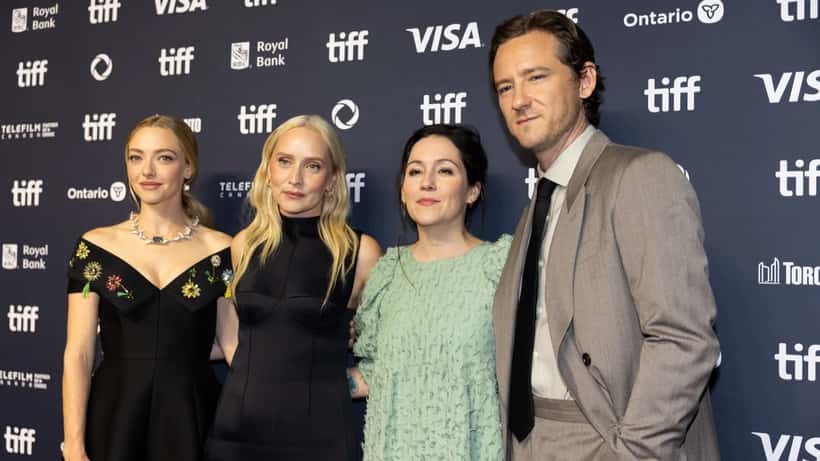
Lewis Pullman spent much of early May 2026 promoting Remarkably Bright Creatures, the Netflix film in which he stars alongside Sally Field. It debuted on the platform May 8 — and for Pullman, it is one piece of a busy year that also includes his role as Sentry in Avengers: Doomsday and a Spaceballs sequel starring alongside his father Bill Pullman. By any measure, Pullman is one of the most commercially active young actors in Hollywood right now.
What his trajectory reveals is something entertainment lawyers have been watching closely since the 2023 SAG-AFTRA strike ended: the streaming residual question has been resolved on paper, but most working actors — the thousands who appear in smaller Netflix productions, not just marquee names — are still navigating a compensation model that looks radically different from what existed a decade ago.
What Streaming Residuals Are — and Why They Changed
A residual is a payment made to an actor each time their work is commercially exploited beyond its initial use. In the broadcast television era, residuals were straightforward: each rerun of a network episode triggered a defined payment based on the original fee. Actors who appeared in long-running shows built careers on residual income alone.
The streaming era broke that model. Netflix, Amazon, and Apple originally argued that their platforms were subscription services, not traditional broadcast channels, and initially resisted the per-view or per-rerun residual structure. That argument fueled the 2023 strikes by both SAG-AFTRA and the Writers Guild of America — the longest labor action in Hollywood history.
The agreement that ended the SAG-AFTRA strike introduced a new streaming residual structure: a percentage-based participation formula tied to subscriber viewership data. As explored in how Netflix's streaming model affects entertainment contracts, this shift fundamentally changed what actors can expect to earn after a production wraps. For the first time, studios were required to share streaming performance metrics with the union, and residuals were linked to how many subscribers watched a program within 90 days of its release.
What Lewis Pullman's Netflix Deal Likely Includes
Under the current SAG-AFTRA contract, actors working on Netflix productions are entitled to streaming residuals calculated through the "Participation Bonus" formula. For a film like Remarkably Bright Creatures, this means that if the production meets certain viewership thresholds, Pullman and every other SAG-AFTRA member in the cast receives a residual payment based on a percentage of the budget.
The exact numbers are not public — they depend on the deal structure, the production budget, and Netflix's internal viewership data. But the framework is now enforceable through union arbitration, which is a significant change from the opacity that defined streaming compensation before 2023.
According to the U.S. Bureau of Labor Statistics, fewer than 2% of working actors earn enough from their craft alone to sustain a full-time career without supplemental income. For the vast majority of professionals in the field — actors who appear in supporting roles, commercial work, or streaming productions outside the top tier — understanding and negotiating the residual structure before signing a contract is the single most important financial decision they make.
What Working Actors and Creative Freelancers Are Often Missing
The new streaming residual formula applies only to productions covered by the SAG-AFTRA collective bargaining agreement. Non-union productions — which make up a significant portion of content now streaming on smaller platforms, YouTube channels, and subscription services outside the major studios — are not obligated to pay any residuals at all.
For actors, writers, and other creative professionals working in the non-union space, the contract they sign at the outset of a project is the entire compensation structure. There is no union formula to fall back on, no arbitration mechanism to enforce payment, and often no meaningful negotiation about what happens to their work after initial delivery.
An entertainment attorney can review a contract before signing and identify clauses that determine:
- Syndication and streaming rights: Does the contract allow the production to license the actor's performance to third-party platforms indefinitely? What compensation, if any, applies?
- Likeness and AI use provisions: The SAG-AFTRA agreement included landmark protections against studios using digital replicas of actors without consent and compensation. Non-union contracts may contain no such protections, allowing AI-generated likenesses based on a performer's existing footage.
- Sequel and continuation rights: If a performance becomes part of a franchise — as Pullman's role as Sentry in the MCU demonstrates — what residual structure applies to each subsequent use?
- Moral rights and editing protections: In what circumstances can a producer edit, alter, or repurpose the actor's performance?
These clauses are negotiable before a contract is signed. They are not negotiable after.
The Avengers Factor: When Franchise Contracts Get Complicated
Pullman's dual trajectory — a prestige Netflix drama and an MCU blockbuster — illustrates the complexity of modern entertainment contracting. His Sentry role in Avengers: Doomsday is governed by a Marvel Studios agreement that almost certainly includes franchise option clauses covering future appearances, a separate residual structure for theatrical vs. streaming exhibition, and specific terms around merchandise and likeness rights.
For performers who land franchise-adjacent work — whether in a streaming series, a branded content campaign, or a video game — the initial contract often contains option clauses that lock future performances to rates negotiated before the performer's market value increased. An entertainment lawyer can assess whether option terms are standard for the context, and in some cases negotiate caps on option periods or escalating rate structures.
When to Consult an Entertainment Attorney
If you are:
- Signing a contract for a film, streaming series, commercial, or any recorded performance
- Entering a multi-project or franchise arrangement
- Receiving a contract that references AI use, digital likeness, or synthetic voice rights
- Dealing with a dispute over unpaid residuals or unauthorized reuse of your performance
...an entertainment attorney can review the terms and explain your rights under applicable law. ExpertZoom connects performers and creative professionals with licensed entertainment lawyers who can assess contracts before you sign — so the compensation structure is clear from the start, not after the credits roll.
This article is for informational purposes only and does not constitute legal advice. Entertainment law and union agreements vary significantly. Consult a licensed attorney regarding your specific situation.
