 William Reed
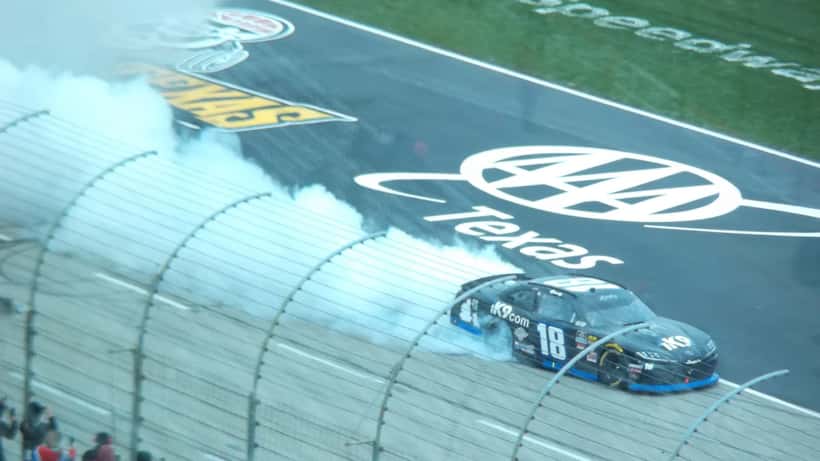
Kyle Busch drove the No. 8 Chevrolet to a 10th-place finish at Talladega Superspeedway on April 27, 2026 — the first top-10 of a season that has otherwise been the worst stretch of his career. Zero top-five finishes. An average finishing position of 22.1. Twenty-seventh in the Cup Series standings after 10 races. Richard Childress Racing responded by doing what any performance team does when a car clearly isn't delivering: they changed the person responsible for diagnosing it.
Jim Pohlman was out. Andy Street — a 20-year RCR veteran who had worked with Busch during the final five races of 2025 — was in.
NASCAR calls this a crew chief change. In your garage, the same role belongs to your mechanic. And the lesson transfers almost exactly.
What a Crew Chief Actually Does — and Why It Matters
In NASCAR, the crew chief is the primary diagnostic authority. They analyze telemetry data from hundreds of sensors on the car, track tire degradation, interpret handling feedback from the driver, and translate all of it into setup decisions. When a car underperforms, the crew chief is accountable for identifying whether the problem is mechanical, aerodynamic, strategic, or some combination of all three.
Busch's situation heading into the Talladega race was telling: he knew something was wrong with the car's performance but couldn't pinpoint the cause. After scoring the team's first top-10 — proving the car had capability — RCR concluded that Pohlman's diagnostic approach wasn't extracting that potential consistently. Rather than wait for more races to confirm what the data already suggested, they made the change immediately.
For everyday drivers, this is a directly useful model. When your car consistently underperforms — strange vibrations, sluggish acceleration, increased fuel consumption, erratic idling — and your mechanic doesn't identify a root cause, the problem may be the diagnostic process, not just the part.
Five Signs Your Car Needs a Deeper Diagnosis
1. The symptoms return within weeks of a repair
A reputable repair addresses the root cause, not just the symptom. If your check engine light comes back within a month of being cleared, or a noise returns shortly after a part replacement, the underlying issue wasn't found. This is the equivalent of Busch's No. 8 struggling race after race despite various adjustments.
2. You're getting parts replaced, not problems solved
There's a difference between a mechanic who diagnoses and one who cycles through replacements hoping to find the issue. A proper diagnostic process — using OBD-II scanner data, systematic mechanical inspection, and driver input (your description of what you're experiencing) — should narrow the cause before any part is touched.
3. The shop can't explain what caused the problem
After Andy Street's first race as crew chief, RCR issued a clear statement about what specific areas he would be addressing. Accountability for the diagnosis is part of the service. If your mechanic can't explain why your car was misbehaving and how their repair addresses that root cause, request a written explanation before paying.
4. The repair estimate jumped unexpectedly mid-job
Dramatic mid-repair price increases — sometimes called "teardown discoveries" — occasionally reflect legitimate additional findings. But they can also indicate a shop that didn't diagnose thoroughly upfront, discovered the actual problem only after starting work, and is now charging for their own diagnostic failure. Reputable shops perform thorough inspections before quoting.
5. You can't get a second opinion because the car is already disassembled
A shop that begins disassembly before providing a detailed written estimate is limiting your ability to comparison-shop. In most U.S. states, auto repair shops are required to provide a written estimate before beginning significant work. If you weren't given one, you have consumer rights worth exercising.
The Andy Street Principle: Experience Paired With Familiarity
RCR didn't hire an outsider to replace Pohlman. They promoted from within — specifically choosing someone who had prior working history with Busch. The reasoning was direct: communication between driver and crew chief is critical, and a pre-existing working relationship accelerates the diagnostic process.
The same logic applies when choosing a mechanic. A shop that already knows your car's history — past repairs, documented issues, known quirks — will diagnose problems faster and more accurately than one starting from scratch. When you move shops frequently or don't bring documentation of prior work, you're making your mechanic's job harder and your diagnostic outcome less reliable.
Getting a Second Opinion Without Creating a Dispute
If you suspect your car's problems are being misdiagnosed, asking for a second opinion is both reasonable and legally protected in most states. You don't owe loyalty to a shop that hasn't resolved your issue.
The practical steps:
- Request all diagnostic records in writing before leaving your current shop
- Take those records to the second shop — context saves time and money
- Compare what both shops identify as the root cause, not just what they recommend replacing
- If you were billed for repairs that didn't fix the problem, you may be entitled to a partial refund under your state's consumer protection laws
For unresolved disputes with auto repair shops — including situations where you believe work was charged for incorrectly — USA.gov's consumer complaints directory connects you with your state's consumer protection office, which has jurisdiction over auto repair licensing and dispute resolution.
Kyle Busch's Next Race: Watkins Glen
NASCAR confirmed that Busch will compete at the Go Bowling at the Glen at Watkins Glen International after avoiding suspension for his late-race contact with John Hunter Nemechek at Texas Motor Speedway. The new crew chief pairing will face a road course test — a very different technical challenge than the oval-track struggles of the first 10 races.
Whether Street's diagnostic adjustments translate to results at Watkins Glen will be watched closely. What's already established is this: when you're getting poor results and you've tried incremental fixes that aren't working, the most productive move is often a structured review of how you're approaching the diagnosis — not just the diagnosis itself.
That's true in NASCAR. It's just as true in your driveway.
