 Harper Brooks
Joe Mixon Cut and Unsigned: What Every NFL Player Should Know About Protecting Their Financial Future
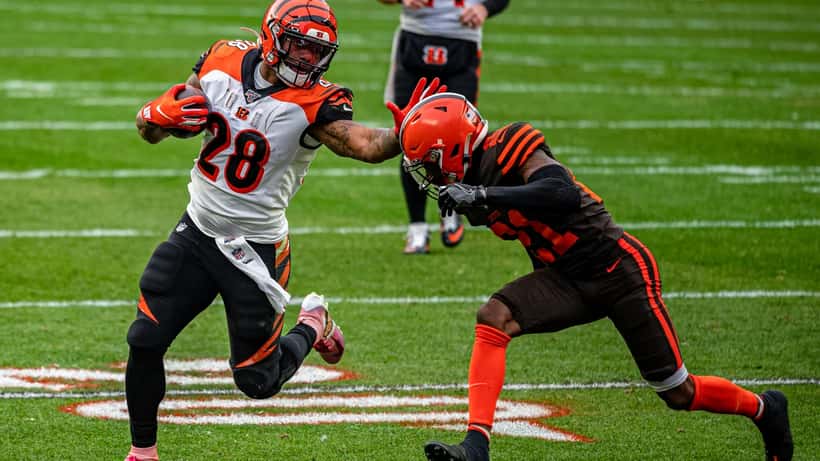
Joe Mixon entered the 2025 NFL season as one of the most productive running backs in the league. He ended it without playing a single snap — a mysterious foot injury sustained outside the team facility sidelined him for the entire year. By early 2026, the Houston Texans had cut him and traded for his replacement. More than two months later, no team has signed him. He is 30 years old and may never take another NFL snap.
Mixon's situation is a stark reminder of something every professional athlete knows intellectually but rarely prepares for concretely: an NFL career can end without warning. The financial window is narrow, the risks are real, and the planning decisions made during playing years determine everything that comes after.
The Numbers Behind the Risk
The average NFL career lasts approximately 3.3 years, according to the NFL Players Association. Running backs have the shortest career expectancy of any skill position — their bodies absorb punishment on nearly every play, and teams increasingly view them as replaceable. Mixon, who played eight seasons and earned over $50 million in career contracts, is a relatively long-tenured example. Most players never approach that tenure or those earnings.
The financial pressure is compounded by lifestyle expectations. Draft picks receive signing bonuses and immediate income that often outpaces anything their families have seen before. Without proper guidance, that sudden wealth gets absorbed into homes, cars, family support, and lifestyle inflation — leaving players with little liquid savings when the paychecks stop.
The Injury Clause Problem: What Happened to Mixon's Contract
A significant legal detail in Mixon's release involves where and how his 2025 injury occurred. NFL player contracts contain specific provisions around injury guarantees — money the team owes the player if they are injured in the course of team activities. Injuries occurring outside the team facility, outside team-sanctioned workouts, or during unapproved activities can trigger contract clauses that reduce or eliminate guaranteed money.
NFL contracts routinely include "off-field activity" restrictions, prohibited sport clauses, and requirements to disclose injuries. A player who sustains a significant injury under any of these circumstances may find that guarantees they believed were secure are suddenly in question.
For players at all levels of the league, understanding exactly which activities are covered under their contract — and which void injury protections — is something an attorney or certified agent should walk through clearly before the player signs anything.
What Athletes Should Be Doing During Their Playing Years
Financial advisors who work with professional athletes consistently point to the same failure modes:
No post-career income planning. Playing income ends; living expenses do not. Players who treat their NFL salary as permanent income rather than a finite, high-paying contract are often unprepared when it stops. A certified financial planner experienced with athletes can build income projections that account for career end at various ages.
Illiquid or high-risk investments. Restaurants, nightclubs, cryptocurrency, private equity in friends' startups — these are common destinations for athlete money, and they frequently lose value or become impossible to exit. The baseline for any athlete's portfolio should be liquid, diversified, low-fee investments that can sustain withdrawals in retirement.
Inadequate disability insurance. The NFL's group disability coverage through the NFLPA provides some baseline protection, but it often falls short of replacing playing-level income for career-ending injuries. Private disability insurance, purchased during playing years when the player is healthy, is one of the most important financial tools an athlete can have — and one of the least discussed.
Undertaxed or misfiled income. NFL players are taxed in every state where they play games — the "jock tax" — and managing multi-state filings is genuinely complex. Players without an experienced CPA or tax attorney routinely overpay, underpay, or get surprised by large tax bills in their post-career years.
Supporting too many people. Athletes from lower-income backgrounds often become the primary financial support for extended family members as soon as they sign their first contract. Without clear boundaries and structures — trusts, set annual gift amounts, written agreements — this can drain resources faster than any investment loss.
Transition Planning: The Career After the Career
Mixon's situation also illustrates the importance of identity and career transition planning. Athletes who build professional skills, educational credentials, or business interests during their playing years have a path when the sport ends. Those who depended entirely on football — psychologically, financially, and socially — often face significant difficulty.
The NFLPA offers transition programs, and several universities offer degree programs specifically for active professional athletes. Many players also work with financial advisors and career coaches simultaneously to build a realistic post-sport plan while they still have income to invest in it.
Understanding how rookie NFL contracts work and what young athletes should know before signing is foundational — but financial planning for the end of a career is equally important.
According to the NFLPA's financial education resources, the union offers free access to registered financial advisors for all active and former players. Not enough use it.
Joe Mixon's career may not be over — running backs have come back from worse. But the financial and legal lessons in his story are valuable regardless of how his situation resolves.
Disclaimer: This article provides general information about financial planning and contract law for professional athletes. It is not financial or legal advice. Consult a certified financial planner and a licensed attorney familiar with professional sports contracts for guidance specific to your situation.
