 Odette Caplan
Jacob Elordi Breaks Foot Before Cannes: What Actor Contracts Say About Missed Professional Obligations
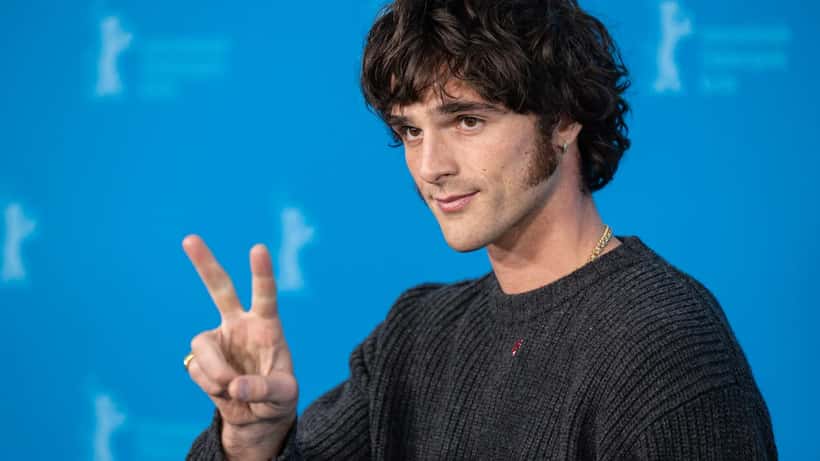
Australian actor Jacob Elordi was supposed to sit on the Cannes Film Festival jury in May 2026 — a prestigious appointment that followed a remarkable run of back-to-back prestige projects including Frankenstein, Wuthering Heights, and a new season of Euphoria. But a broken foot changed everything. Elordi's injury made his attendance at the festival "nearly impossible," according to reporting from The Hollywood Reporter, leaving one of 2026's most in-demand actors unable to fulfill a high-profile professional commitment.
The situation raises a question that goes well beyond celebrity gossip: what actually happens when an actor — or any entertainment professional — cannot fulfill contractual obligations due to a physical injury?
The Force Majeure Clause: Entertainment Law's Safety Valve
Every serious entertainment contract includes some version of a force majeure provision, a legal clause that excuses a party from performance when circumstances beyond their reasonable control make fulfillment impossible. Physical injury, when sufficiently documented and unforeseen, often qualifies — but the details matter enormously.
The Screen Actors Guild-American Federation of Television and Radio Artists (SAG-AFTRA) establishes baseline protections for union members, including provisions for medical incapacity. Under SAG-AFTRA's basic agreements, a performer who becomes medically unable to work may be entitled to certain protections, including the suspension — rather than termination — of their contract during recovery.
But the Cannes jury appointment is not a standard SAG-AFTRA-covered engagement. It is a separately negotiated professional commitment. Whether Elordi faced financial penalties, reputational obligations, or simply a mutual agreement to step down depends entirely on the specific language in his contract with the festival.
"Force majeure is not automatic," explains the general framework that entertainment attorneys use when advising clients on injury clauses. "You need to document the injury, notify the other party within the required timeframe, and often provide medical evidence. Courts have held that late notice can waive even a legitimate force majeure claim."
What James Bond Speculation Adds to the Legal Picture
The timing of Elordi's injury is particularly notable given ongoing speculation about his potential candidacy to become the next James Bond. Multiple sources reported in early May 2026 that Elordi was in "pole position" for the role, with Amazon/MGM quietly pushing for him. A screen test was widely expected to take place in 2026.
For an actor rumored to be in final consideration for one of cinema's most physically demanding franchises, a documented foot injury introduces a layer of legal complexity that both studio and actor need to navigate carefully.
Film studios typically conduct extensive medical evaluations before finalizing talent contracts for franchise leads. A major physical role like Bond requires the actor to be insured — and insurers conduct independent medical assessments. If Elordi's foot injury requires surgery or extended rehabilitation, it could affect the timeline, the insurance terms, or the structure of any preliminary agreement.
For entertainment attorneys advising talent in similar situations, the guidance is clear: disclose proactively, document thoroughly, and negotiate insurance provisions before — not after — an injury occurs.
When Stars Can't Show Up: Legal Lessons for All Working Actors
The Jacob Elordi situation is unusual in its scale, but the underlying legal challenge is one that working actors, musicians, and performers face far more frequently than headlines suggest.
A Broadway actor who fractures an ankle three days before opening night. A voice actor who develops vocal cord nodules mid-contract. A film stunt coordinator who sustains a wrist injury during rehearsal. Each scenario triggers a cascade of contractual questions: Who bears the cost of delay? Is the production entitled to replace the performer? Does disability insurance cover lost income during recovery?
Several provisions typically govern these disputes:
Disability and workers' compensation: In California, which governs most major entertainment industry contracts under choice-of-law clauses, workers' compensation covers on-set injuries for employees. California Labor Code Section 2750.5 establishes a rebuttable presumption about independent contractor status — a classification that directly affects whether performers qualify for workers' compensation when injured on the job. Independent contractors may need separate disability insurance.
Pay-or-play provisions: Many high-level entertainment contracts include "pay-or-play" clauses, meaning the studio must pay the actor their contracted fee whether or not the project proceeds. If a production is cancelled or the actor is replaced due to injury, the pay-or-play provision may still entitle the performer to their full fee.
Mitigation obligations: Even when force majeure applies, most contracts require the affected party to take reasonable steps to mitigate losses — seeking prompt medical treatment, cooperating with the production's schedule adjustments, or offering alternative performance formats (e.g., ADR work from home while recovering from a mobility injury).
The Bigger Picture: Protecting Your Career Through Contract Clarity
Whether you are a rising actor or an established star like Elordi, injury clauses deserve the same attention as billing credits and residuals. Entertainment lawyers routinely advise clients to negotiate the following provisions before signing any major engagement:
- A clear definition of "incapacity" that includes temporary physical injury
- Notification timelines that are realistic, not aspirational (48 hours is standard; 24 hours is aggressive)
- Suspension vs. termination rights — ensuring the studio must first offer a suspension period before replacing the performer
- Insurance coordination provisions that align with the performer's existing disability policy
Jacob Elordi's foot injury is a reminder that no matter how far along in a career someone is, physical vulnerability can intersect with professional obligation at any moment. Understanding those intersections — before they happen — is what a skilled entertainment lawyer is for.
This article is for informational purposes only and does not constitute legal advice. Performers facing contract issues related to injury should consult a qualified entertainment attorney in their jurisdiction.
Find a qualified entertainment lawyer on Expert Zoom for personalized legal guidance on actor contracts, force majeure clauses, and injury-related obligations.
