 Michael Campbell
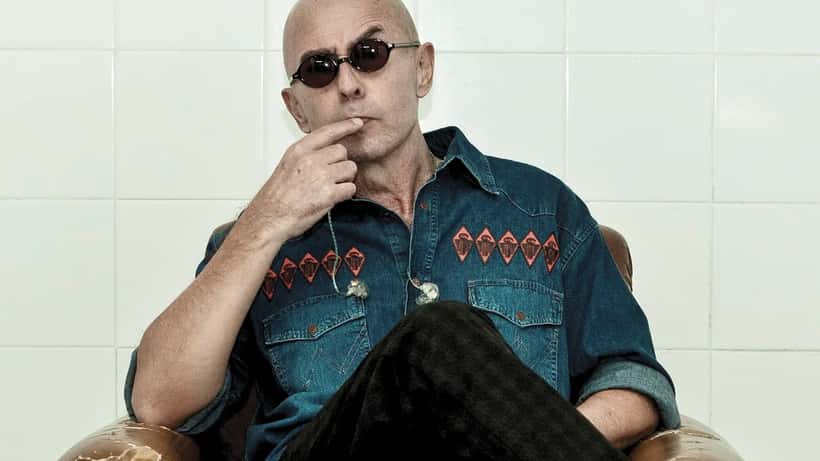
Carlos Alberto "Indio" Solari, frontman of the legendary Argentine rock band Patricio Rey y sus Redonditos de Ricota, died on June 5, 2026 at age 77 at his home in Parque Leloir, in the Buenos Aires suburb of Ituzaingó. Solari had been living with Parkinson's disease since his public diagnosis in 2016 and had stepped away from live performance years before his death. His passing closes a six-decade musical career that produced nine studio albums with Los Redondos and five solo records with Los Fundamentalistas del Aire Acondicionado — a catalog that now becomes one of the most valuable music estates in Spanish-language rock.
For the Argentine-American community in the United States and any fan thinking about an artist they love, Solari's death is also a hard reminder of how complicated music inheritance can be. Royalties, master recordings, songwriter splits, sync rights, name and image rights — they all behave differently in death than during life, and the consequences can stretch for 70 years or more.
The catalog Indio Solari leaves behind
According to obituaries published on June 5 by La Nación and Página/12, Solari co-founded Patricio Rey y sus Redonditos de Ricota in La Plata in 1976 alongside guitarist Skay Beilinson. The group released nine studio albums before its 2001 dissolution. As a solo artist, Solari issued five more albums backed by Los Fundamentalistas del Aire Acondicionado.
In May 2026, weeks before his death, Solari was awarded an honorary doctorate by the University of Buenos Aires; he sent a recorded audio message because his health prevented him from attending. Spanish-language outlet Infobae reports that Solari had lived for years with his partner Virginia and one son, whom he kept deliberately out of the spotlight.
That tightly-held private life now collides with public estate law. His catalog will continue generating revenue from streaming, vinyl, sync placements in films and television, and the merchandising tied to one of the most fanatical fanbases in Latin American rock.
Why music estates are uniquely complicated
Three categories of rights typically survive a musician's death, and they often pass to different people:
- Songwriting royalties. These pay the composer and lyricist every time a song is performed, streamed or covered. They are protected by copyright and can last 70 years after the author's death under most modern frameworks, including the United States.
- Master recording royalties. These are paid to whoever owns the actual recordings — often a record label, sometimes the artist or the band. Master rights and songwriting rights are entirely separate; an heir can inherit one without inheriting the other.
- Name, image and likeness rights. In many US states and in much of Latin America, a deceased celebrity's name and image are protected post-mortem and can be licensed (for documentaries, biopics, posters, NFTs) by the estate for decades.
When all three are not coordinated in a single estate plan, families end up in court. The Indio Solari catalog is especially complicated because Los Redondos operated outside the traditional Argentine music industry — managing its own pressing, distribution and merchandise — which means rights may sit in multiple corporate vehicles.
Streaming changed the math
A decade ago, a back catalog was a slow-burning asset. In 2026, streaming has turned legacy catalogs into front-loaded annuities: when a beloved artist dies, fans drive a multi-week surge in plays, then the catalog settles into a higher long-term baseline than before. Estates that are ready to capture that surge — with up-to-date metadata, registered splits, and active rights administration — can see meaningful financial impact in the first 90 days.
Estates that are not ready leave money on the table and create disputes between heirs over who is "in charge" of decisions that need to be made in days, not months.
What US-based musicians and fans should take from this
You do not need a fanatical national following or nine gold records for these lessons to apply. Any songwriter, producer, podcaster or YouTuber who has built a catalog of original work owns assets that will outlive them — and that need a plan.
A wealth-management plan for a creator typically includes:
- A current rights inventory. A simple spreadsheet listing every work, who owns the masters, who owns the publishing, and which collecting societies (ASCAP, BMI, SESAC, SoundExchange) are registered.
- A revocable trust or LLC to hold rights. Holding intellectual property inside a trust or company simplifies inheritance and avoids the public probate process that can drag on for years.
- A successor in interest filing. Heirs often need to file paperwork with copyright offices, performance-rights organizations and digital distributors to keep royalty checks flowing without interruption.
- An estate liquidity plan. Catalogs are valuable but illiquid. Estate taxes are paid in cash. Without planning, families sometimes have to sell catalogs at fire-sale prices to cover the tax bill.
Royalties and US estate tax: the silent threat
If an artist or their heirs are US residents, music catalogs are included in the gross estate at fair market value at the date of death. The federal estate tax can reach 40% above the exemption threshold. Without a clear inventory and a valuation done by a qualified appraiser, families can face IRS challenges that drag on for years — the kind of dispute that swallowed a large share of Michael Jackson's estate for over a decade.
The same logic applies to lesser-known creators: a musician whose catalog generates $25,000 a year in passive royalties has built an asset worth several hundred thousand dollars in today's catalog market. That belongs in a trust, not in informal "tell the kids" arrangements.
What to do if you own a creative catalog
If you make a living — even a side income — from creative work, talk to a wealth advisor who understands intellectual property. They can coordinate with a tax attorney to inventory your rights, place them in the right legal vehicle, and align your will with the realities of post-mortem royalty administration.
Expert Zoom's directory of wealth management specialists includes advisors with experience in creator economies, intellectual-property valuation and cross-border estate planning. The Indio Solari estate will be unwound by lawyers and managers over the next several years. Yours can be unwound in weeks — if you plan now, while the catalog is still being written.
