 Lucas Price
The 2026 Home Run Derby is shaping up to be one of the most talked-about events of the baseball summer. Whether you are hosting friends, family, or the whole neighborhood, turning your backyard into a comfortable, high-impact viewing venue takes more than a folding chair and a laptop. For guidance on choosing streaming gear and display tech, see our look at Marlins vs. Rockies at Coors Field: The Streaming Setup. This year, homeowners are investing in permanent outdoor entertainment zones that deliver ballpark energy without the ticket lines. Below is a practical, expert-backed guide to planning, building, and enjoying a backyard Home Run Derby setup in 2026.
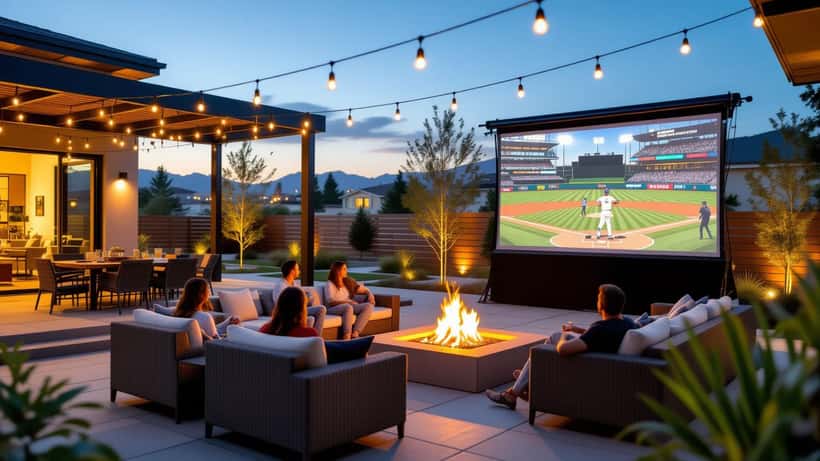
Start with a clear sightline. A 100-inch or larger outdoor-rated projector screen is the centerpiece of most successful viewing setups, but placement matters just as much as size. Choose a wall, fence, or freestanding screen location that faces away from the afternoon sun and avoids direct glare from pool water or white siding. If you are in a warm climate, position the screen where mature trees or a pergola will cast shade during evening first pitches. The angle should let every seat see the full frame without craning necks, which usually means the bottom of the screen sits no more than three feet off the ground.
Audio is where many DIY setups fall short. A single Bluetooth speaker can fill a patio, but it rarely delivers the crack-of-the-bat impact fans expect. Consider a weather-resistant outdoor soundbar or a pair of landscape speakers wired to a dedicated amplifier. For larger yards, add a subwoofer tucked behind shrubs or under a deck to carry the low-end rumble of crowd noise and home-run calls. If you are running new speaker wire, hire a licensed electrician or low-voltage contractor to route cables safely and protect them from lawn equipment and pests.
Seating should balance capacity and comfort. Modular outdoor sofas, Adirondack chairs, and weatherproof beanbags all work, but the key is grouping seats in a shallow arc around the screen. Leave at least six feet between the first row and the display to prevent eyestrain, and add side tables for drinks and snacks. If you expect cool evenings, plan for portable patio heaters or a built-in fire pit placed safely away from fabric and electronics. A covered pergola with retractable curtains gives you shade by day and wind protection after sunset.
Power and networking deserve professional attention. Outdoor projectors, streaming devices, speakers, and lighting can pull serious amperage. A single 15-amp circuit may be enough for a modest setup, but larger installations often need a dedicated 20-amp GFCI outlet or a sub-panel near the viewing area. Do not rely on extension cords rated only for indoor use; they are a fire risk and rarely handle continuous loads. For streaming, run ethernet to the projector location if possible. Wi-Fi extenders can work, but a hardwired connection eliminates buffering during the most dramatic derby moments.
Lighting sets the mood and extends usability. String lights overhead create a festive stadium atmosphere, while low-voltage path lighting keeps guests safe as they move between the grill and seating. Avoid placing bright fixtures directly behind or beside the screen; light wash reduces contrast and makes the picture look washed out. Use dimmable LEDs on separate zones so you can brighten the snack area and darken the viewing zone independently.
Food and drink stations keep traffic out of the house. A rolling cart or outdoor kitchenette with a mini fridge, ice bin, and prep surface lets guests refill without blocking the screen. If you plan to fry, grill, or use a pizza oven, locate cooking zones downwind of seating and away from flammable screens or fabric. A durable outdoor rug defines the lounge area and makes cleanup easier after popcorn spills and condiment drips.
Permits and codes vary by municipality. Structures like pergolas, covered patios, or permanent outdoor kitchens may require building permits, especially if they are attached to the house or exceed certain square footage. Electrical work almost always needs a permit and inspection. Check with your local building department early; starting construction without approval can lead to fines and forced removal. A general contractor or design-build firm can manage permits, scheduling, and trade coordination for you.
Maintenance planning protects your investment. Outdoor TVs and projectors need covers when not in use, and screens should be cleaned with manufacturer-approved solutions to avoid damaging coatings. Store portable speakers and streaming boxes indoors during severe weather, even if they are marketed as weather-resistant. Schedule an annual inspection of outlets, GFCI testers, and outdoor-rated cables to catch corrosion or rodent damage before it becomes a hazard.
Budget realistically. A basic backyard viewing setup with a portable projector, budget screen, and existing speakers can cost under a thousand dollars. A mid-range installation with a fixed outdoor screen, landscape audio, and upgraded seating typically lands between five and ten thousand. High-end builds with covered structures, outdoor kitchens, professional AV, and landscaping can exceed twenty-five thousand. The right level depends on how often you will use the space and whether you want it ready for the whole 2026 season or just the Home Run Derby.
The bottom line is that a great backyard Home Run Derby experience is part technology, part landscaping, and part hospitality. Start with a realistic layout, bring in licensed pros for electrical and structural work, and choose gear rated for outdoor use. Hosting a major viewing event is also a great excuse to upgrade your home entertainment spaces more broadly; our tips on World Cup 2026 Group Standings: 5 Home Improvement Upgrades for Watch Parties share layout ideas that translate from soccer to baseball. With the right plan, your yard can become the favorite seat in the house long after the final long ball lands.
