 Laura Clark
Henry Davis, the Pittsburgh Pirates' first-overall pick from the 2021 MLB Draft, is entering what many observers describe as his make-or-break season in 2026. After four professional seasons in which his career slash line settled at a difficult .181/.262/.294 — far below the offensive expectations that made him the top pick — Davis is showing early signs of offensive life this year: after a slow start at 2-for-14, he went 6-for-21 over six starts to push his average to .229 and offer Pirates fans the first genuine optimism they have had about his bat.
The performance conversation around Davis will dominate the 2026 season. But there is another story worth telling about every professional catcher — one that sports medicine specialists track carefully and fans rarely discuss: what the position does to a human body over time, and what the warning signs look like before the damage becomes permanent.
The Most Physically Punishing Position in Baseball
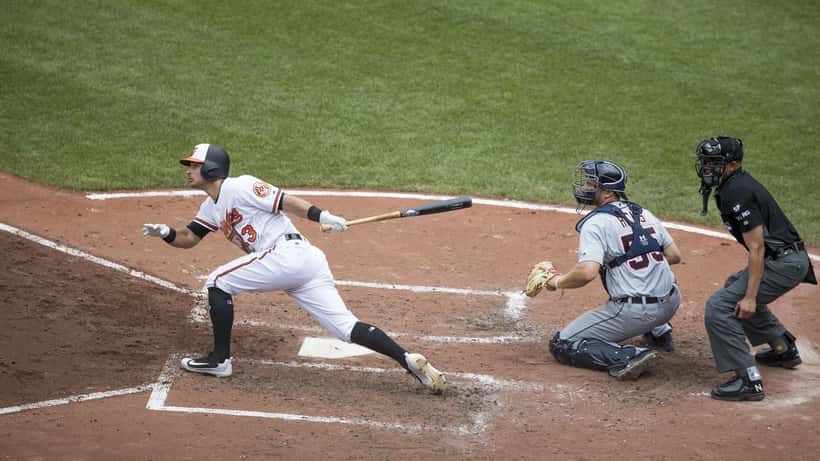
Catching is widely regarded as the most physically demanding fielding position in professional baseball. A catcher may squat into receiving position 100 to 150 times per nine-inning game — thousands of times over the course of a season. Each squat-to-stand transition places significant stress on the knees, hips, and lower back. The repetitive compression of the knee joints, combined with the explosive bursts required to block pitches and throw out base stealers, creates a workload that has no equivalent in any other position.
Knee injuries are the most common significant injury sustained by catchers. Meniscal tears, patellar tendinitis, and cartilage degradation are all associated with long-term catching careers. Some catchers develop these conditions early in their professional lives; others manage them through physical therapy, modified training programs, and careful load management throughout the season.
The shoulder is the second major vulnerability. A catcher must throw the ball with maximal force from a half-squat position, often on minimal rest between pitches. The biomechanical demands of that throw — especially the external rotation required to generate velocity from behind the plate — place the shoulder's rotator cuff and labrum under sustained stress. Catchers who compete at high pitch counts over long seasons show elevated rates of labral tears and rotator cuff tendinopathy.
The Concussion Question
Perhaps the least-discussed but most consequential health issue for catchers is the cumulative impact of foul tips and collision events. A catcher positioned behind home plate is struck by foul balls deflected at speed, hit by backswings, and at risk of collision in plays at the plate.
Modern catcher's equipment has significantly improved protection against direct blows, but it does not eliminate the risk of concussion. Major League Baseball's concussion protocol has become more rigorous in recent years — requiring testing, mandatory rest periods, and medical clearance before a player returns from a concussion-related exit. But subconcussive impacts — repeated, below-threshold blows that do not trigger the formal protocol — are increasingly a focus of sports medicine research.
For Davis specifically, a receiver who plays under performance pressure in 2026 may face the temptation to push through minor symptoms rather than trigger a concussion evaluation that would pull him from the lineup at a critical career moment. This is a dynamic that sports medicine professionals consistently warn against.
"The worst decisions in catcher health are made when the player feels like they cannot afford to take a day off," said a sports medicine physician who consults for professional athletic organizations. "That pressure — especially in a make-or-break situation — creates exactly the conditions where a manageable injury becomes a career-altering one."
What the Defense-First Catcher Profile Tells Us
One interesting development in Davis' 2026 profile is that his defensive improvements have been documented even as his offense has remained inconsistent. His receiving technique, throwing accuracy, and pitch-framing have improved, according to multiple analyses. This means Davis has developed into a player who exerts physical effort at a high level defensively, game after game — without always having the offensive output to headline his contributions.
Defense-first catchers face a particular challenge: their physical workload is high regardless of whether they are producing at the plate. A catcher who goes 0-for-3 is still making every throw, every block, and every squat. Over a 162-game schedule, the cumulative wear is identical whether the offensive numbers are impressive or disappointing.
This is part of why physical load management for catchers is distinct from other positions. Rest days for catchers are not just about offensive rhythm — they are injury prevention measures.
Signs That a Catcher (or Any Athlete) Should See a Sports Medicine Specialist
Most professional athletes have access to athletic trainers and team physicians, but the pattern of minimizing or delaying injury reporting is common at all levels of the sport. For amateur and recreational players who catch — or for parents of young catchers — knowing when a symptom warrants medical evaluation matters.
See a sports medicine physician or orthopedic specialist if you or your athlete experiences:
- Knee swelling, persistent soreness, or a sensation of "giving way" after a catching session
- Shoulder pain that persists for more than 48 hours after throwing, particularly in the back of the shoulder
- Any headache, dizziness, sensitivity to light, or confusion following contact to the head — even contact that seemed minor at the time
- Back pain that radiates into the hip or leg, particularly after extended squatting sessions
- A sharp or "catching" sensation in the knee when going up or down stairs
Early diagnosis of soft tissue injuries — before they progress to tears requiring surgical intervention — dramatically improves outcomes and shortens recovery time. The National Institutes of Health provides detailed information about sports injury types and treatment options through medlineplus.gov/sportsinjuries.html.
The Bigger Picture for Catchers at Every Level
Henry Davis' 2026 season will be measured in batting averages, exit velocities, and defensive metrics. For fans, coaches, and fellow athletes watching his story unfold, it is also an opportunity to understand the physical demands placed on a position that requires extraordinary athleticism and durability in equal measure.
At every level — from youth baseball to college programs to the professional ranks — catchers deserve the same attention to physical health and load management that pitchers receive. The conversations happening in Pittsburgh this season about Davis' performance should include a parallel conversation about the physical foundation that makes performance possible.
Read more: Paul Skenes' 97 mph Fastball in 2026 — What a Hall-of-Fame Arm Requires to Stay Healthy
This article is for informational purposes only and does not constitute medical advice. Consult a licensed sports medicine physician or orthopedic specialist for guidance on specific injuries or symptoms.
