 Evelyn Carter
MGM+'s horror series "From" has returned for Season 4, and the show's deeply unsettling premise is doing what it has always done best: making it genuinely difficult to sleep afterward. Season 4 Episode 6, titled "The Heart Is a Lonely Hunter," drops May 31, 2026, following a brief pause MGM+ built into the schedule to avoid the Memorial Day weekend ratings dip. The wait has only amplified fan anxiety — a pattern therapists say tracks closely with how prolonged suspense narratives affect viewers who are already prone to anxious thinking.
The episode continues a central tension that has defined Season 4: Boyd and Jade find themselves at odds over whether to trust the knowledge inside Jade's head, while deeply troubling news from the settlement circulates through town. If that logline made you tense, mental health experts say that reaction is worth paying attention to.
Why "From" Hits Differently Than Most Horror
Most horror media triggers what psychologists call the "safe fear" response — a controlled adrenaline release that feels exciting because the viewer knows they are physically safe. Jump-scare horror films tend to generate this response and leave viewers exhilarated rather than drained.
"From" is built on a different mechanism. The show's premise — a small community trapped in an inexplicable location, unable to leave, with nighttime creatures and deepening paranoia about who to trust — generates sustained dread rather than episodic shock. According to the National Institute of Mental Health, anxiety disorders are characterized by persistent, excessive fear or worry that doesn't resolve when the triggering situation ends. Prolonged exposure to content designed to generate ongoing dread — rather than cathartic release — can activate those same brain pathways in susceptible viewers.
This is not a moral argument against watching horror. It is an observation that "From," in particular, is architecturally different from horror that resolves. The mystery never fully clears. The threat never fully recedes. Season after season, more questions accumulate than answers. For some viewers, that structure provides compelling suspense. For others, it mirrors the feeling of genuine anxiety in a way that's harder to shake off after the credits roll.
4 Signs the Show Is Affecting Your Mental Health
Mental health professionals suggest viewers check themselves for these patterns during ongoing horror series:
1. Sleep disruption that outlasts the episode. Waking at 3 a.m. with a vague feeling of threat after a horror episode is common and usually resolves. If disrupted sleep persists for two or more nights after watching, the content may be activating underlying anxiety that exists beyond the story.
2. Intrusive imagery during unrelated activities. If you find yourself replaying scenes from "From" while at work, in the middle of a conversation, or trying to focus on unrelated tasks, the content has moved from entertainment into a form of ruminative thinking — a hallmark of anxiety that has been triggered.
3. Avoidance behavior. Paradoxically, some viewers become anxious about not watching because they fear missing plot developments, while simultaneously dreading each new episode. If you notice that neither watching nor not watching feels comfortable, that tension warrants examination.
4. Physical anxiety symptoms during viewing. Elevated heart rate, shallow breathing, and muscle tension are normal during tense scenes. If those symptoms persist after you stop watching, or if you find yourself pausing the show repeatedly to calm down, the show is activating a physiological stress response, not just a narrative one.
The Psychology of "I Can't Stop Watching"
One of the most discussed phenomena around "From" is that fans who describe the show as distressing continue to watch anyway. This is not irrational — it reflects something psychologists call narrative compulsion. Humans are wired to seek resolution for unfinished stories. When a mystery narrative withholds that resolution deliberately, the brain continues processing the open loops even when viewing has stopped.
For fans who have watched similar ongoing mystery-horror series, the end of a series can produce a grief-like response when narrative threads remain unresolved. "From," with no confirmed conclusion date, keeps viewers in a sustained state of unresolved narrative tension — which, for anxious viewers, can compound existing stress rather than offering the release that most storytelling provides.
Practical Strategies for Anxious Viewers
If you enjoy "From" but notice that watching it affects your mood or sleep, several strategies can help manage the experience without requiring you to stop watching entirely.
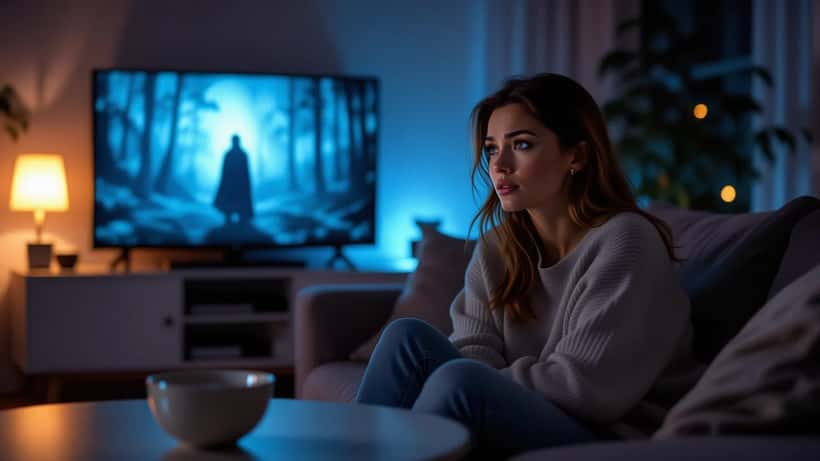
Avoid viewing late at night. The association between darkness and the show's nighttime threats can intensify anxiety responses during the actual night hours. Watching during the day or early evening gives your nervous system time to settle before sleep.
Limit binge sessions. Watching multiple episodes in a row extends the duration of sustained dread and reduces your brain's opportunity to compartmentalize the content as fiction. One episode per sitting is a meaningful safeguard for viewers who notice anxiety symptoms.
Debrief out loud. Discussing plot points with another viewer — or even narrating your reaction to yourself — activates the prefrontal cortex, which helps regulate the amygdala's fear response. Fan communities, recap podcasts, and discussion forums serve a psychological function: they allow the brain to process narrative anxiety in a social context.
When to Consult a Mental Health Professional
Most viewers who experience heightened anxiety from "From" are experiencing a normal, temporary stress response to unusually effective horror storytelling. That response resolves with time and distance from the content.
However, if watching the show is functioning as a trigger rather than an isolated cause — meaning the anxiety, sleep disruption, or intrusive thoughts it generates map onto worries that were already present in your daily life — that pattern is worth discussing with a therapist. Horror media does not cause anxiety disorders, but it can reveal and amplify existing anxiety that has not been professionally addressed.
A licensed therapist can help you determine whether what you are experiencing is typical entertainment stress or a signal that underlying anxiety warrants professional attention. Either way, understanding your response to media like "From" is useful information about how your nervous system processes threat — a conversation that often leads somewhere more useful than simply choosing a different show to watch.
Disclaimer: This article is for general informational purposes only and does not constitute medical or mental health advice. Consult a qualified mental health professional for diagnosis and personalized treatment recommendations.
