 Harper Brooks
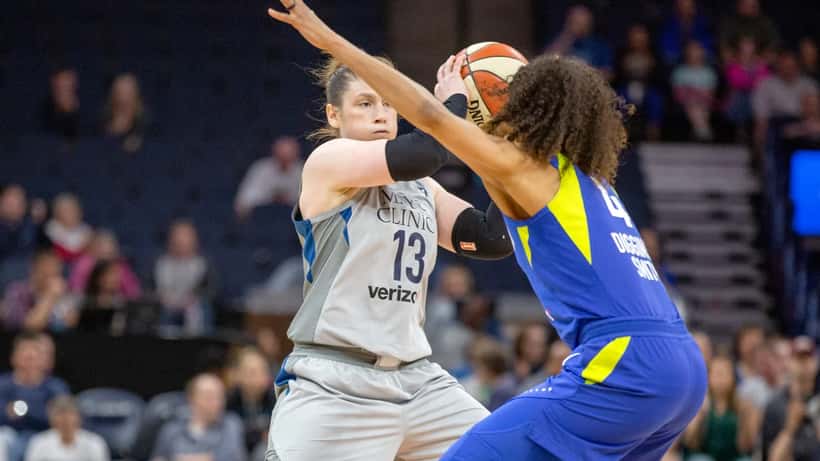
Skylar Diggins, a 7-time WNBA All-Star, signed a two-year contract with the Chicago Sky on April 12, 2026 — joining a wave of historic free agent signings triggered by the WNBA's new Collective Bargaining Agreement that raised the salary cap from $1.5 million to $7 million. For athletes across professional sports, the WNBA's transformation is a textbook example of what happens when proper financial planning meets sudden wealth.
The WNBA's Salary Revolution: What Changed and Why
The 2026 WNBA free agency period is unlike any in the league's 30-year history. Most of the league's veteran stars — including Diggins, Brittney Griner, Angel Reese, Satou Sabally, and others — timed their contracts to expire simultaneously, forcing the league into a new CBA negotiation from a position of player strength.
The result: the salary cap jumped from $1.5 million per team to $7 million — a 367% increase in a single negotiation cycle. Under the previous agreement, even top players earned roughly $200,000-$250,000 per season. Under the new CBA, maximum individual salaries will approach seven figures.
For Diggins, a 4-time All-WNBA selection and one of the most recognizable faces in women's basketball, her new contract with the Chicago Sky reflects a player finally being compensated closer to market rate for her talent and brand value. According to the WNBA Players Association, which negotiated the new CBA on behalf of players, the agreement represents the most significant improvement in player compensation in league history, with veteran max players able to earn significantly more than at any prior point.
Sudden Wealth and the Athletes Who Aren't Ready for It
Financial planners who work with professional athletes frequently describe the same pattern: a player goes from earning a comfortable but modest income to receiving a substantially larger contract, and the financial infrastructure never catches up. For WNBA players, this transition is happening faster and at a larger scale than any previous generation experienced.
Many current WNBA stars — including Diggins — have spent years supplementing their WNBA salaries by playing overseas during the off-season in leagues in Russia, Turkey, and Australia. That dual-income model required a different financial mindset: managing international tax obligations, currency exchange risks, and limited stateside asset accumulation.
Now, with substantially higher domestic salaries, those same players face a new set of decisions:
- Tax optimization: Athlete income is subject to complex federal and state tax treatment, including "jock taxes" for games played in different states
- Contract structuring: Should payments be structured over time or front-loaded?
- Investment allocation: How does a player transition from survival budgeting to long-term wealth building?
- Brand income integration: Many top WNBA players now earn substantial endorsement income — which requires separate business entity planning
A wealth management specialist experienced with athlete finances can help navigate these decisions during the critical window of a new contract signing.
Diggins' Move: A Financial Lens
The Chicago Sky signing is not just a basketball story. Diggins, 34, is at a career stage where every contract decision carries long-term financial weight. Unlike younger players who might sign maximally for future earning power, a veteran signing a two-year deal needs to think about:
- Post-playing career income: WNBA careers average 4.9 years; smart money management during peak earning years determines quality of life after retirement
- Real estate and investment diversification: Chicago is a different tax environment than her previous team base (Seattle had no state income tax — Illinois has a flat 4.95% rate)
- Media and broadcast transition planning: Many WNBA veterans transition to coaching, broadcasting, or brand partnerships — financial structuring for this transition should begin before the last contract ends
The WNBA's salary cap increase also creates a new asset class in women's sports investments. Team valuations, media rights, and sponsorship deals are all expanding — and athletes at Diggins' stature can now potentially negotiate equity stakes and revenue-sharing arrangements that were unthinkable five years ago.
The Expert's Role in Historic Moments
When a league undergoes a structural financial transformation — as the WNBA has in 2026 — the athletes who build wealth are rarely the ones who simply earned the most. They are the ones who had competent financial, legal, and tax advice at the precise moment when the rules changed.
The same principle applies beyond professional sports. When compensation structures shift — through a job change, inheritance, business sale, or policy change — the 90 days after the event are often the most financially critical period of a person's life.
Athletes like Skylar Diggins have agents and team advisors. For everyone else, that's where a wealth management professional comes in.
Whether you're navigating a new employment contract, a financial windfall, or simply trying to build wealth more strategically, speaking with an expert before making large financial commitments can prevent costly mistakes that compound over decades.
Disclaimer: This article discusses financial planning concepts for informational purposes. Consult a qualified financial advisor for advice specific to your situation.
