 Evelyn Carter
When multiple rounds of severe thunderstorms swept across New York City on July 17 and 18, 2026, they left more than stalled commutes behind. As floodwater poured into subway entrances, expressways and ground-floor apartments, it carried an invisible threat that lingers long after the streets drain: contamination. Doctors warn that the water New Yorkers waded through this weekend was likely a mix of storm runoff and raw sewage — and the health risks can surface days later.
The New York City Emergency Management department (NYCEM) activated the city's Flash Flood Emergency Plan as the storms rolled in, coordinating with the National Weather Service, utility providers and state agencies. In Queens, an entrance to the Roosevelt Avenue-Jackson Heights station flooded, and the Long Island Expressway at 188th Street was blocked in both directions for hours. In Woodside, firefighters drove through rising water to rescue trapped drivers on the BQE, while in Flushing, homeowners were left bailing out their homes.
Why Floodwater Is a Medical Problem, Not Just a Cleanup Job
The danger is what you cannot see. According to the Centers for Disease Control and Prevention (CDC), urban floodwater frequently contains sewage overflow, meaning it can be loaded with bacteria, viruses, protozoa and parasites. Contact with — or accidental ingestion of — this water can trigger diarrheal illnesses such as E. coli and Salmonella infection, and in more serious cases, dysentery, infectious hepatitis or severe gastroenteritis.
The pattern is measurable. A CDC analysis of storm-related waterborne disease found that heavy rainfall events were associated with a 48% increase in Shiga toxin-producing E. coli infections in the week after a storm, and a 42% rise in Legionnaires' disease two weeks later. In other words, the sick days often arrive after the water is long gone — which is exactly why so many people miss the connection.
Coastal and brackish floodwater adds another hazard. Vibrio, a naturally occurring bacterium, can enter through an open wound and cause aggressive skin infections. Even a minor scrape or blister can become a doorway for infection when it meets contaminated water.
The Wounds and Symptoms Doctors Want You to Watch
If you cut yourself on submerged glass, metal or debris — common in flooded streets and basements — the wound is now a contamination risk, not just an injury. Clinicians advise washing any exposed cut or rash with soap and clean water as soon as possible; if soap is unavailable, use alcohol-based sanitizer. Puncture wounds, or wounds contaminated by soil, sewage or debris, may call for a tetanus booster depending on your vaccination history.
Watch for warning signs in the days that follow: increasing redness, swelling, warmth or pus around a wound; fever; persistent diarrhea or vomiting; or a cough with shortness of breath that could point to Legionnaires' disease. These are not symptoms to "wait out." A doctor or urgent-care clinician can assess whether you need antibiotics, a tetanus shot or further testing — and early treatment dramatically changes the outcome for wound and waterborne infections.
Children are especially vulnerable. Their hands go everywhere, and they are less likely to report a scrape or an upset stomach until it worsens. Pediatricians recommend washing children's hands with soap and water frequently, and always before meals, in any household touched by the flooding.
Five Steps to Protect Your Health Now
For the thousands of New Yorkers now cleaning up, the CDC and public-health experts recommend a clear checklist:
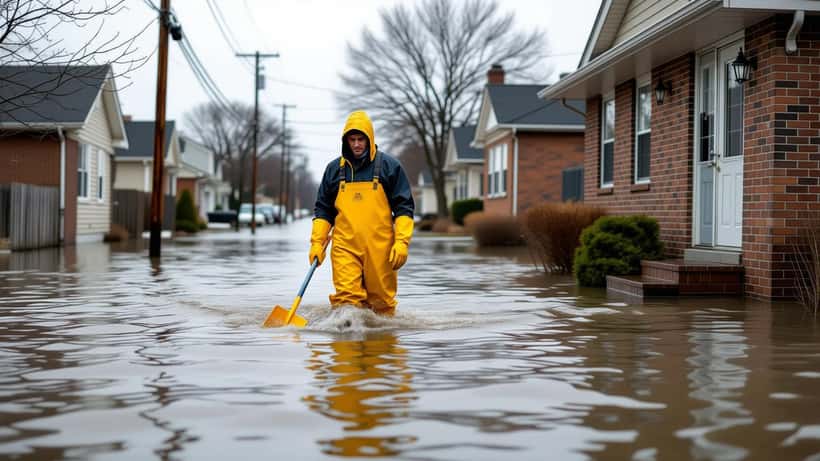
- Gear up before you touch the water. If you must enter floodwater or a flooded basement, wear rubber boots, rubber gloves and goggles. Skin contact is the first line of exposure.
- Treat every wound as contaminated. Wash cuts and scrapes immediately with soap and clean water, cover them, and monitor for infection. Ask a clinician about a tetanus booster if you are unsure of your records.
- Throw out anything the water touched. Food and beverages exposed to floodwater should be discarded. The FDA also advises throwing away prescription medications that contacted floodwater — even in sealed or screw-top containers — because their safety can no longer be guaranteed.
- Wash up, every time. Wash your hands after any contact with floodwater and before eating. Launder clothing exposed to flood or sewage water in hot water and detergent before reusing it.
- Do not drink the tap until it is cleared. If local authorities issue a boil-water or do-not-drink notice, follow it until officials confirm the supply is safe.
When to See an Expert
Flood cleanup is physically and emotionally exhausting, and it is easy to dismiss a lingering symptom as fatigue. But a healthcare professional can tell the difference between normal soreness and an infection that needs treatment. If you develop a fever, a wound that will not heal, respiratory symptoms or persistent gastrointestinal illness in the two weeks after wading through or cleaning up floodwater, consult a doctor promptly and mention your flood exposure — it is a critical detail that guides diagnosis.
The storms that hit New York this July will not be the last. As intense rainfall events grow more frequent, treating floodwater as a genuine health hazard — not just a nuisance — is the difference between a rough weekend and a hospital visit. When in doubt, a quick consultation with a medical expert is the cheapest insurance you can buy.
This article is for general information only and is not a substitute for professional medical advice. If you have been exposed to floodwater and feel unwell, contact a qualified healthcare provider. Official guidance on floodwater safety is available from the CDC.
