 Odette Caplan
On May 27, 2026 — less than two weeks before kickoff — New York Attorney General Letitia James and New Jersey Attorney General Jennifer Davenport jointly subpoenaed FIFA over the way it has been selling tickets to the 2026 World Cup. The investigation is the first formal U.S. enforcement action against the international soccer body, and it focuses on two specific allegations: that FIFA raised ticket prices on more than 90 of the 104 World Cup matches between October 2025 and April 2026 by an average of 34%, and that the seat-map zones FIFA used at launch were quietly redrawn after fans had already paid.
What the subpoena actually demands
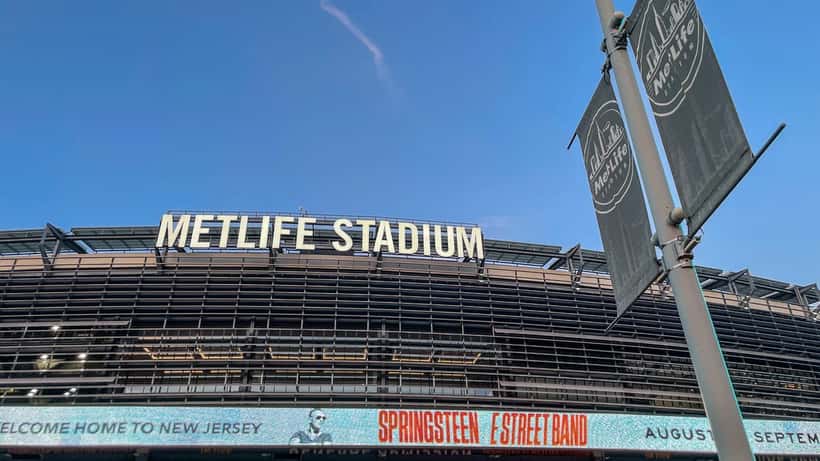
According to the joint announcement from AG James and AG Davenport, the subpoena demands internal FIFA documents about ticketing practices, pricing algorithms, and seat-allocation methodology, with particular focus on the eight matches scheduled at MetLife Stadium in East Rutherford, New Jersey — including the World Cup Final on July 19, 2026. New York and New Jersey have jurisdiction because tickets were marketed and sold to residents of both states under their respective consumer protection laws.
The legal theory the AGs are working under is twofold. The first is "false or misleading representation" — alleging that FIFA's stadium maps, which originally listed four categories (1 through 4), implied buyers were getting the best seats within each zone. After many fans had already locked in non-refundable purchases, FIFA introduced a new tier of "Front Category" sections sliced out of the most desirable seats in each original category — effectively downgrading what buyers thought they had bought. The second theory is "deceptive price escalation" — focusing on variable pricing algorithms that lifted Category 3 ticket prices for some MetLife matches from around $220 to as much as $415 over the multi-phase sales window.
Why this is different from a Ticketmaster complaint
Most ticket disputes in the United States end up as consumer complaints to state regulators or arbitration claims under terms of service. A state Attorney General subpoena is a different instrument. Under New York Executive Law § 63(12) and New Jersey's Consumer Fraud Act (N.J.S.A. 56:8-1 et seq.), state AGs have the power to compel document production, depose executives, sue for civil penalties (up to $10,000 per violation in New York), and obtain restitution for affected consumers. They do not need to wait for individual lawsuits.
That distinction matters for everyone holding a 2026 World Cup ticket. If the AGs prove their case — or if FIFA settles — the resulting order could authorize automatic refunds, force the publication of original seat-map data, and impose monitoring of FIFA's future ticketing in the United States. Past AG settlements against ticket platforms have included multi-million-dollar restitution funds distributed to verified buyers.
What ticket buyers can actually demand right now
Even before the subpoena is resolved, U.S. ticket buyers have a stack of legal rights that few realize they hold. Three of them apply directly:
- Chargeback rights under the Fair Credit Billing Act. If you paid by credit card and the seat or service materially differs from what was advertised, federal law gives you 60 days from the statement date to dispute the charge with your card issuer. The new "Front Category" reshuffling is a textbook material change, and the FCBA does not require FIFA's cooperation to process a refund.
- State consumer protection complaints. Both New York and New Jersey accept individual complaints online, and consumer counsel can attach them to the ongoing AG investigation. New York's complaint portal at ag.ny.gov is open 24/7 and routes complaints directly to the office now investigating FIFA.
- Class action standing. Several plaintiffs' firms in the New York metro area have already filed class-action complaints alleging similar deceptive-pricing claims. Buyers who paid more than the initial list price for a match between October 2025 and April 2026 are presumptively included in the proposed class definitions.
The variable-pricing question that hasn't been answered
The most legally interesting question — and the one the AGs will press hardest — is whether FIFA's "variable pricing" model crosses the line into unlawful price gouging. Variable pricing is legal in most U.S. jurisdictions, but it becomes deceptive when the pricing schedule is hidden from buyers, when published prices are not honored, or when modifications appear after a transaction is final. A 34% average increase across 90 matches in seven months is precisely the pattern that triggers state-level antitrust review, particularly when the seller is a monopolist over a unique event.
For comparison, the same legal framework has been applied to Live Nation, StubHub, and SeatGeek over the past four years. In every case, settlements required disclosure of fees up front, banned hidden upgrades, and created consumer restitution funds. There is no procedural reason FIFA would be treated differently — the only difference is the international defendant, which makes service of process more complex but does not change the underlying state-law claims.
What to do if you bought a ticket
If you purchased a 2026 World Cup ticket and now believe you were misled, three steps protect your rights immediately. Pull your credit card statement and confirm the purchase date — your 60-day FCBA window starts from the statement date, not the purchase date. Take screenshots of the original seat-map FIFA showed at purchase, since the AGs will be reconstructing this evidence. File a complaint with the New York or New Jersey AG depending on which state's resident you are; even a brief filing adds weight to the investigation.
A consumer protection attorney can also advise on whether your specific match qualifies for inclusion in an existing class action, particularly for high-value Category 1 and Front Category seats. For buyers who already navigated variable pricing on the same World Cup, this AG investigation is the strongest leverage point that has emerged since tickets went on sale.
The official subpoena and supporting materials are published by the New York Attorney General's office at ag.ny.gov.
This article is general legal information and is not a substitute for legal advice. If you believe you have been harmed by deceptive ticketing practices, consult a licensed attorney in your state.
