 Michael Campbell
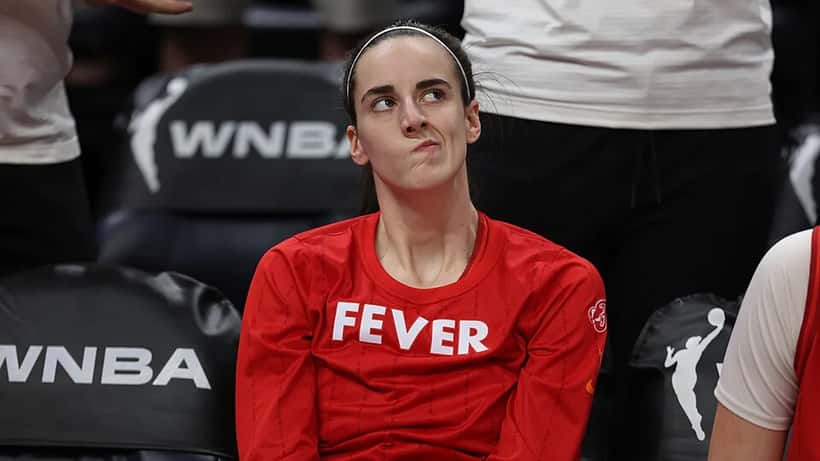
When Angel Reese recorded her 10th double-double of the season — 21 points and 11 rebounds — as the Atlanta Dream defeated the Indiana Fever 108-101 on June 18, 2026, the box score generated the usual headlines. Caitlin Clark matched Kelsey Mitchell's 26 points in a valiant but losing effort, leaving the Fever at 9-6 and the rivalry scoreboard split for the young season. But beneath the basketball storyline runs a financial subplot that wealth management advisors are watching closely: the widening gap between what elite athletes earn from their leagues and what they earn from the marketplace.
The Clark Income Paradox
Clark is the most commercially successful player in WNBA history, yet her league salary tells only a fraction of her financial story. The landmark 2026 Collective Bargaining Agreement between the WNBA and WNBPA elevated her base salary to $528,846 — a dramatic rise from roughly $78,000 in 2025. The new CBA also pushed the league salary cap to $7 million and installed a supermax of $1.4 million, changes that represent the most significant compensation reform in the league's history.
And yet Clark's Nike contract — an 8-year deal worth $28 million signed in April 2024 — pays approximately $3.5 million per year, more than double her new league maximum. Her total endorsement portfolio, spanning Gatorade, State Farm, Wilson, Xfinity, and Gainbridge, pushed her off-court earnings above $16 million in 2025 according to Sportico. Her league salary now represents a small fraction of her total income.
What This Means for the Rest of Us
This is not an athlete-only story. Millions of Americans operate the same financial structure without the celebrity: a primary job that provides stable W-2 income alongside freelance contracts, brand partnerships, rental income, or side business revenue that arrives as 1099 or business income. The complexity of managing these parallel streams — different tax profiles, irregular timing, separate legal structures — is exactly where people most often make costly mistakes.
The Fever-Dream rivalry is a useful lens because it spotlights, at scale, five wealth management dynamics that advisors see every week in their offices.
5 Wealth Management Lessons From the Fever-Dream Economy
1. Treat Every Income Stream as Its Own Financial Entity
Clark's WNBA salary is W-2 income, subject to employer withholding. Her endorsement fees are typically self-employment or business income, requiring quarterly estimated tax payments. Failing to separate these mentally — and financially — is one of the most common and expensive errors among individuals with multiple income types.
According to the SEC's investor education portal at investor.gov, building a clear income map that shows the source, tax classification, and timing of each income stream is the foundation of sound financial planning. A wealth management advisor can help you build that map and ensure nothing slips through at tax time.
2. Don't Anchor Your Lifestyle to Your Peak Year
Clark's WNBA salary jumped nearly 600% in a single year. For most people, windfalls are less dramatic but no less risky: a record bonus year, a profitable asset sale, or a surge in freelance work can tempt anyone to lock in a lifestyle that the income may not sustain. WNBA careers average fewer than four seasons. The same precariousness applies to contract workers, commissioned salespeople, and entrepreneurs.
Financial advisors consistently recommend separating a "floor income" — what you can reliably count on — from variable or one-time earnings, and building your baseline expenses around the floor, not the ceiling.
3. Build a Financial Team, Not Just a Financial Account
Managing a WNBA salary, multiple brand contracts, appearance fees, and investment stakes — Clark has committed capital to women's sports ventures — requires more than a single advisor. Elite athletes typically work with a certified financial planner (CFP), a tax attorney familiar with self-employment income, and an estate or trust specialist.
You do not need $16 million in endorsements to benefit from this model. Anyone with income from more than two sources should consider a coordinated approach: a fee-only CFP who can see the full picture across tax, investment, and planning rather than managing each account in isolation.
4. Variable Income Demands a Larger Liquidity Buffer
Brand partnerships and contracts carry risks a salary does not: they can be restructured, delayed, or terminated. The stability implied by Clark's 8-year Nike arrangement is exceptional; for most contract earners, income is measured in months, not years.
Wealth management best practice for anyone with significant variable income is maintaining at minimum 12 months of essential living expenses in liquid savings — not invested, not tied up in real estate. This buffer means a contract gap or client departure doesn't force you to sell investments at an inopportune moment or take on debt.
5. Compounding Rewards Those Who Start Early
Clark turned 24 in January 2026. The financial choices she makes in her mid-twenties will shape her wealth picture for decades. At a 7% average annual return, $500,000 invested at 24 grows to approximately $3.8 million by age 54, without adding a single additional dollar. The same math applies to any 25-year-old who starts with $10,000 and contributes consistently over time.
The conversation that wealth managers most want to have with young, high-earning clients is not about stock picking or real estate. It is about building the habit of investing a fixed percentage of income — including variable income — before lifestyle spending absorbs it.
Is the WNBA's Wealth Gap Really Closing?
The 2026 CBA represents genuine structural progress. The new minimum salaries ($270,000 to $300,000 depending on years of service) mean every WNBA player now earns more than the previous era's top earners. The league projects over $1 billion in total player compensation and benefits across the seven-year agreement.
But the structural reality remains: for players at the superstar level, the league's economics may never match the commercial marketplace. That dynamic will persist as long as endorsement deals outpace the sport's salary cap — which in 2026 still sits at $7 million for an entire roster, compared to the NBA's $140 million-plus per team.
When to Talk to a Wealth Management Expert
You do not need to be a WNBA star to face the challenges this rivalry spotlights. A wealth management consultation is worth scheduling if:
- You have income from more than one source, especially any self-employment or contract income
- Your income increased significantly in the past 12 months and you're unsure how to allocate the change
- You have business assets, investment accounts, and retirement accounts that are not coordinated into a single strategy
- You are in a profession with a defined earning window — athlete, performer, entrepreneur, consultant — and need a plan that extends beyond it
YMYL note: This article is for educational purposes only and does not constitute financial, legal, or tax advice. Consult a qualified financial professional before making investment or planning decisions.
