 David Miller
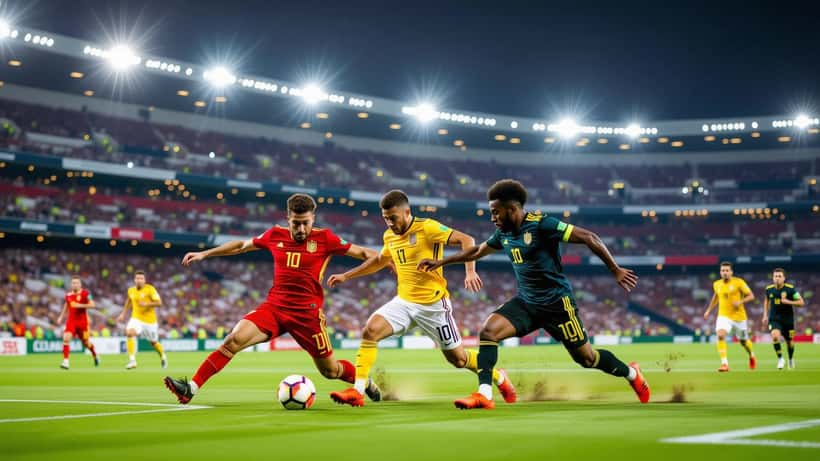
Spain and Belgium face off in one of the most anticipated international fixtures of 2026, a matchup that pairs two generations of elite talent with very different tactical identities. For Spanish coach Luis de la Fuente, the game is a chance to test his midfield rotations against a Belgium side that still relies on the creativity of Kevin De Bruyne and the finishing instincts of Romelu Lukaku. For Belgian manager Domenico Tedesco, it is an opportunity to measure how his rebuilt back line handles a possession-heavy opponent on a big stage. Either way, the result will ripple through the rankings and shape the narratives that follow both teams into the summer.
The fixture arrives at a delicate moment in the calendar. With major tournaments on the horizon, neither camp wants to risk key players unnecessarily, yet neither can afford to look disjointed against a direct rival. That tension is exactly why analysts and coaching staffs will watch the opening twenty minutes so closely. Spain typically builds from the back through Rodri and Pedri, looking to pin opponents in their own half and create overloads on the wings. Belgium, by contrast, has become more comfortable ceding possession and attacking through quick vertical passes that exploit space behind the defensive line. Whichever side imposes its rhythm first is likely to control the tempo.
From an expert perspective, the most interesting storyline is not simply who scores first, but how each team manages physical load. With club seasons extending into June and international windows squeezed tighter than ever, sports medicine specialists emphasize that player availability can matter as much as tactics. Minor knocks accumulated during domestic fixtures often flare up in high-intensity national-team camps, and both squads have had to monitor key names closely in the days before kickoff. If Spain’s defensive pivot or Belgium’s creative hub is forced off early, the tactical plan written on the whiteboard can change in an instant.
For U.S.-based audiences tuning in, the broadcast timing adds another layer of planning. West Coast viewers may face early kickoffs, while East Coast audiences get a more conventional evening window. Beyond the remote-viewing logistics, fans traveling from Europe should double-check their ESTA or visa status well in advance, because a last-minute documentation issue can derail a carefully planned trip. Our earlier coverage of how international supporters navigate entry requirements for major matches offers a useful checklist: Uruguay vs España 2026 preview and lineup notes.
Belgium’s approach under Tedesco has gradually shifted away from the pure attacking swagger of earlier editions. The current squad values defensive solidity and disciplined transitions, which is why the performance of the wing-backs will be decisive. If they can push Spain’s wide players deep and limit service into the box, Lukaku and his supporting cast will get cleaner looks on the break. Spain, meanwhile, needs to avoid the trap of sterile possession. Dominating the ball without penetration has been a recurring criticism in knockout matches, and de la Fuente has worked to add more direct runs from the fullbacks and attacking midfielders to stretch compact defenses.
The midfield battle deserves special attention. Rodri’s ability to recycle possession and protect the center backs gives Spain a platform that few teams can disrupt, but De Bruyne’s vision and weight of pass can turn a moment of transition into a scoring chance within seconds. The matchup between Spain’s control and Belgium’s explosiveness is a classic contrast in styles, and it is the kind of game where individual brilliance can override collective shape. Set pieces may also prove decisive; both nations have shown they can convert dead-ball situations against organized defenses, and a single lapse in concentration could be enough to settle a tight contest.
Health and preparation off the pitch are just as important as what happens on it. Travel fatigue, time-zone shifts, and hydration all influence sharpness in these short international windows. Players arriving from different leagues face uneven recovery schedules, and the medical staff’s role in managing minutes cannot be overstated. For fans planning their own travel, the same principles apply in miniature: arrive early, stay hydrated, and budget extra time for stadium security and transit. If you are considering a longer soccer-themed trip this year, our breakdown of Spain vs. Austria at the World Cup 2026 kickoff times and health tips walks through the practical details.
Predicting the exact outcome is difficult because friendlies and early-tournament fixtures often produce unexpected patterns. Coaches experiment with formations, young players get minutes, and veterans pace themselves. Still, the underlying quality on both sides suggests a close, entertaining contest rather than a one-sided affair. A draw feels plausible if both teams prioritize structure over risk, yet a single defensive error or set-piece moment could swing the result either way. What matters most is the information each coaching staff extracts: which combinations work, who looks fatigued, and where the squad depth needs reinforcement before the next competitive window.
For the expert consultation marketplace, games like this illustrate why specialized insight is valuable. Whether a fan needs immigration guidance for travel, a sports medicine perspective on injury risk, or a tactical analyst to break down formations, the right expert turns raw information into actionable planning. If you are following the Spanish national team through the 2026 cycle, you may also find context in our preview of Curaçao vs. Côte d’Ivoire, which highlights how smaller nations prepare for elite opposition.
Looking ahead, the result will feed into broader conversations about World Cup 2026 readiness. Spain enters the cycle with a deep talent pool and a clear identity, but questions remain about finishing against elite defenses. Belgium is navigating a generational transition while still depending on a handful of world-class veterans. How those veterans are managed over the next twelve months could determine whether Belgium arrives at the tournament as a contender or a fading force. Similarly, Spain’s ability to integrate emerging attackers without losing midfield control will shape its ceiling.
Broadcast and streaming options will vary by region, and fans should confirm official rights holders rather than relying on unauthorized feeds that carry security risks. Device compatibility, kickoff conversion, and replay availability all affect the viewing experience. Our guide on Senegal vs. Irak 2026 streaming and device requirements covers many of the same technical considerations that apply to Spain-Belgium coverage.
In the end, España vs. Bélgica is more than a headline fixture. It is a checkpoint for two proud football cultures trying to align talent, tactics, and timing ahead of the biggest stage in the sport. For viewers, the value lies in reading between the lines: which young player seizes the moment, which veteran shows signs of wear, and which tactical adjustment hints at what is coming next. The scoreline will matter on the night, but the lessons carried forward will matter far longer.
