 Elizabeth Chen
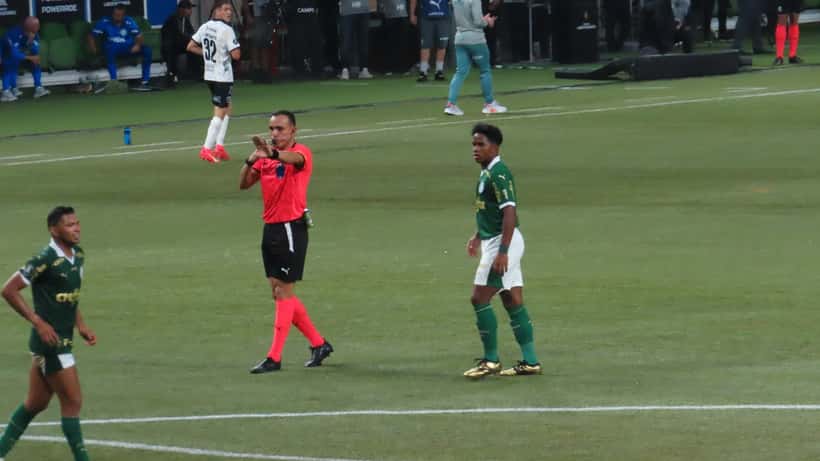
On June 29, 2026, a teenager changed the game at NRG Stadium in Houston. Endrick — 19 years old — entered the pitch as a substitute for Brazil in their Round of 32 clash against Japan, helping turn a 1-0 deficit into a dramatic 2-1 victory when Gabriel Martinelli scored in the sixth minute of stoppage time. Yet for all the excitement of Brazil's comeback win, a quieter health story has been unfolding throughout the 2026 FIFA World Cup.
Brazil's coaching staff has been deliberately careful about how they use Endrick. He did not start either of Brazil's group stage matches. He came on as a substitute against Haiti on June 19. Against Japan, he again entered from the bench, dropping deep to create space before surging forward alongside Vinicius Jr. — and even launched a shot attempt that Japan blocked in the 93rd minute. Brazil won, but the deliberate management of its most electric young player raises a question sports medicine professionals confront every day: how much is too much for a teenage athlete?
Who Is Endrick — and Why the World Is Watching
Born in Brasília on July 21, 2006, Endrick became one of the most closely tracked teenagers in football history when he signed a pre-contract with Real Madrid at the age of 16. He joined the Spanish club in 2024 but endured a physically difficult debut season, battling limited game time and an extended absence from the national team between November 2024 and November 2025. A loan spell at Olympique Lyonnais transformed his trajectory: he registered 16 goal contributions — eight goals and eight assists — in 21 games before being named to Brazil's 26-man World Cup squad on May 18, 2026.
His rise is extraordinary. It is also, according to sports health specialists, a textbook case of the challenges facing elite youth athletes.
Load Management Is Physiology, Not Caution
Brazil's decision to protect Endrick's minutes reflects a well-established body of sports science. Young athletes — and at 19, Endrick is still technically a teenager — have skeletal systems that have not fully matured. Growth plates, the areas of developing tissue near the ends of long bones, remain open until the mid-to-late teens or early twenties in many individuals. Overloading these structures before they close can cause damage that echoes across an entire career.
According to research published by the National Institutes of Health, overuse injuries account for approximately half of all injuries in youth sports. The same research notes that athletes who train more hours per week than their chronological age face a significantly elevated injury risk — meaning a 19-year-old's upper weekly training ceiling is around 19 hours. Elite professional football routinely challenges that threshold.
Endrick's difficult first season at Real Madrid — limited minutes, a period away from the national team — was a direct reflection of the physical adjustment demands placed on a teenager entering one of the world's highest-intensity environments.
The Real Risk: Overtraining Syndrome
When an athlete pushes too hard without adequate recovery, the body can enter what clinicians call overtraining syndrome — a state in which accumulated physical and psychological stress overwhelms the system's ability to repair itself. Symptoms include persistent fatigue, declining performance despite continued training, mood changes, sleep disturbances, and a spike in minor illnesses.
For a teenager still in a growth phase, the consequences are especially serious. Bones are more susceptible to stress fractures. Tendons and ligaments lack the mechanical resilience of adult tissue. The mental load — the pressure of carrying Brazil's World Cup hopes at 19 — adds a psychological dimension that compounds every physical demand.
The American Academy of Pediatrics recommends that young athletes take at least one full day of rest per week from organized sport and two to three months away from any single sport across the year. At World Cup level, such guidelines are structurally impossible to follow. That is precisely why professional load management — and access to qualified health practitioners — becomes essential, not optional.
Warning Signs Every Young Athlete and Family Should Recognize
Whether a teenager is competing at local club level or on the world stage, the warning signs of overtraining are the same. Look out for:
- Chronic fatigue that persists even after scheduled rest days
- Declining performance in training or competition despite consistent effort
- Frequent minor illnesses — colds and sore throats that suggest immune suppression
- Mood changes, including irritability, anxiety, or a noticeable loss of motivation
- Sleep disruption, either difficulty falling asleep or sleeping excessively
- Muscle soreness lasting more than 48 hours after exercise
- Loss of appetite or unintended weight loss
These signals are not signs of mental weakness. They are the body's warning system indicating that the balance between load and recovery has broken down.
When a Health Professional Can Help
Brazil employs a full team of sports medicine physicians, physiotherapists, and exercise scientists to guide every minute of Endrick's World Cup campaign. Most young athletes and their families do not have access to that level of expertise — which is where independent health professionals can make a meaningful difference.
A sports medicine doctor or certified physiotherapist can assess a young athlete's biological maturity (which often differs significantly from chronological age), evaluate current training load, and design recovery protocols suited to adolescent physiology. As experts covering World Cup-related sports injuries have documented, early intervention — before an overuse injury becomes structural — is significantly more effective and less costly than treatment after the fact. If you're wondering whether a young athlete in your life is training safely, a consultation with a qualified health specialist is the right starting point.
Endrick's Story Is Bigger Than Football
Watching Endrick surge into the attack in the final minutes against Japan — a teenager helping one of football's greatest nations survive a World Cup elimination match on June 29, 2026 — is genuinely thrilling. But his story is also a reminder of the physical and psychological demands placed on young bodies in elite sport.
Brazil's coaching staff is protecting him not out of doubt, but out of knowledge: that a 19-year-old body managed carefully today is a 29-year-old world-class athlete available tomorrow. That logic applies to every youth athlete, at every level, in every sport.
This article is for informational purposes only and does not constitute medical advice. If you or your child is experiencing health concerns related to sport participation, consult a qualified medical professional.
