 Laura Clark
Dairy Queen launched its first-ever Halloween menu on September 28, 2026, led by the Enchanted Oreo Blizzard Treat — a purple, ube-flavored twist on the classic OREO Blizzard blended with the chain's signature soft serve. The limited-time "Spellbound Series" runs through November 1 at participating U.S. locations, marking the brand's first thematic Halloween push in its 85-year history. For most Americans, it's a fun seasonal treat. For those managing their health, the timing and the caloric profile raise questions worth discussing with a professional before the holiday season accelerates.
Note: This article discusses the health and nutritional impact of high-sugar seasonal foods. Individuals with diabetes, pre-diabetes, metabolic conditions, or food dye sensitivities should consult a qualified healthcare provider before making dietary changes based on general health information.
What's Inside the Enchanted Oreo Blizzard
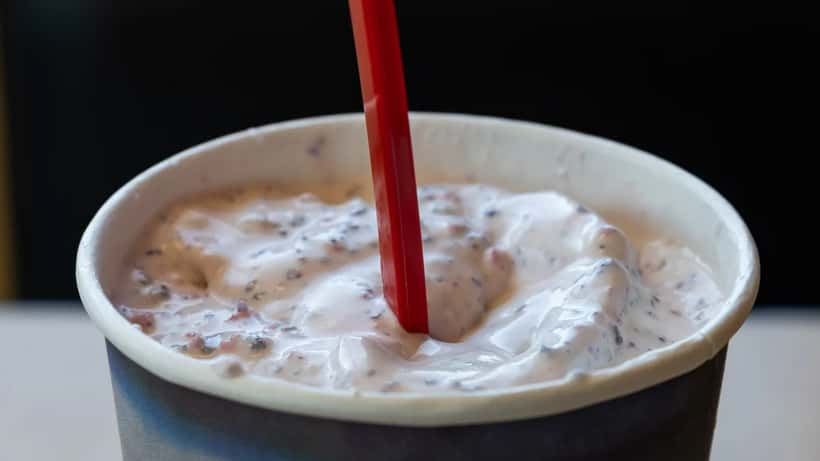
The Enchanted Oreo Blizzard Treat blends crushed OREO cookies into DQ's vanilla soft serve base, this time with a sweet ube flavoring and a shimmery purple tint — a visual nod to Halloween's iconic color palette. Ube, a purple yam originally from the Philippines, has gained widespread popularity in American dessert culture for its vibrant hue and mild vanilla-adjacent sweetness.
Nutritionally, it tracks closely to the year-round OREO Blizzard. A small (12 oz) version contains approximately 600 calories, 91 grams of carbohydrates, 22 grams of fat, and 12 grams of protein. Scale up to a large, and that figure reaches over 1,050 calories — nearly half the average adult's recommended daily caloric intake in a single serving.
The Spellbound Series also includes a bubbling Halloween drink and a ghost pepper dipping sauce, along with a mystery Blizzard-themed plush keychain promotion at select stores. Customers can collect one of several character keychains, with a rare version reportedly hiding a larger prize — a marketing mechanic designed to drive repeat visits during the five-week window.
What Health Experts Say About Seasonal Treat Culture
Nutrition specialists and primary care physicians note that the Enchanted Oreo Blizzard's launch on September 28 initiates what they call the "seasonal indulgence corridor" — a roughly 14-week stretch running from Halloween through New Year's Day when high-calorie, high-sugar food and drink options saturate the market simultaneously.
According to the U.S. Dietary Guidelines for Americans, adults should limit added sugar to no more than 10 percent of total daily calories — about 50 grams, or 200 calories, in a standard 2,000-calorie diet. A medium Enchanted Oreo Blizzard (approximately 800 calories) contains an estimated 75 grams of added sugar, exceeding that daily threshold by 50 percent in a single serving.
Health professionals are quick to note that one Blizzard is not a medical crisis for a healthy adult. The concern is behavioral and cumulative: the seasonal window creates repeated, socially normalized exposures to caloric-dense treats — at school events, workplaces, and family gatherings — that compound across October and November in ways that individual treat occasions do not.
Registered dietitians also highlight an emerging consideration in seasonal novelty foods: food colorings. Dairy Queen has not publicly disclosed the full formulation of the purple shimmer in the Enchanted Blizzard. Whether the color derives from natural ube pigments or from synthetic dyes such as Red 40 or Blue 1 matters to specific consumer groups — particularly parents of children with documented behavioral sensitivities, and individuals with known food dye reactions.
Food Dyes in Halloween Foods: A Growing Conversation
The FDA has approved the synthetic dyes commonly used in brightly colored desserts and seasonal foods. At typical consumption levels, they are considered safe for most adults and children. However, a growing body of research and consumer advocacy — including ongoing legislative scrutiny at the state level — has kept this issue in the clinical spotlight. Several states have moved to restrict or require labeling for synthetic food dyes in school foods, reflecting a broader public health conversation that extends well beyond fast food.
For the majority of consumers, the Enchanted Oreo Blizzard's purple shimmer presents negligible risk. For parents whose children have ADHD or sensitivities, or for individuals who have previously experienced reactions to food colorings, checking the product's full ingredients list (available on the Dairy Queen website or by asking staff) and consulting with an allergist or pediatrician is a reasonable precaution — especially for repeated seasonal consumption.
Concrete Case: Five Weeks of Halloween Indulgence and Your Health
Consider this scenario: a 38-year-old woman with a pre-diabetes diagnosis, currently following a physician-supervised lifestyle intervention. Her care team has set a hard daily ceiling of 45 grams of added sugar and 1,900 calories per day as part of an A1C management plan targeting a reduction from 6.3 to below 6.0 over six months.
The Enchanted Oreo Blizzard's promotional window runs 35 days — September 28 through November 1. If she visits Dairy Queen twice per week during that period and orders a medium Blizzard each time, the math looks like this:
- Per Blizzard visit: approximately 800 calories and 75g added sugar
- Her added-sugar daily cap: 45g — this single treat exceeds it by 67%
- Per week (2 visits): approximately 1,600 extra calories above her dietary plan
- Across the 5-week window: roughly 8,000 cumulative excess calories, equivalent to approximately 2.3 pounds of additional body fat — and a sustained blood glucose elevation that could stall or reverse her A1C trajectory
The clinical implication is clear: for someone actively managing pre-diabetes, this is not a "treat yourself" decision — it is a medical one. A registered dietitian can model exactly this kind of seasonal scenario in advance, build an "indulgence allocation" into the weekly plan, and recommend adjustments (a small instead of medium saves ~240 calories and roughly 25g of added sugar) that make occasional participation possible without derailing the intervention.
Without that conversation, the seasonal window quietly erodes progress that took months to build.
When to Seek a Health Consultation This October
Not every consumer needs a dietitian appointment before ordering a Halloween Blizzard. For healthy adults without chronic conditions, seasonal treats in moderation are a normal and enjoyable part of the fall calendar. The Enchanted Oreo Blizzard is, by design, a celebration food — and nutrition professionals generally support a flexible approach to dietary patterns that accommodates cultural and seasonal enjoyment without anxiety.
The threshold shifts meaningfully, however, for anyone in the following categories:
- Currently managing blood sugar, insulin resistance, or type 2 or pre-diabetes
- On a physician-supervised caloric or macronutrient plan
- Managing cardiovascular risk factors where dietary fat and sugar intake is monitored
- A parent of a child with food dye sensitivity, ADHD, or documented food allergies
- Anyone who finds the seasonal indulgence window consistently disrupts their annual health goals despite good intentions
For these groups, a single telehealth consultation with a registered dietitian or an internist before October's pace intensifies is a practical, low-friction investment. A health professional can provide a personalized seasonal framework — not a list of prohibitions, but a structured approach that includes where and how to enjoy treats like the Enchanted Oreo Blizzard without compounding risk.
Expert Zoom connects patients with licensed registered dietitians and health specialists who offer seasonal nutrition consultations tailored to your specific health context — whether you're managing a condition or simply want a data-driven approach to the most indulgent season of the year.
The Spellbound Series ends November 1. Your metabolic health doesn't take a seasonal break — but with the right guidance, enjoying it doesn't have to come at a cost.
