 Cora Nelson
A fast-spreading outbreak of cyclospora — a microscopic parasite transmitted through contaminated food — has reached Michigan and Indiana, leaving thousands of residents uncertain whether their days-long stomach cramps are cause for concern or a call to their doctor. Since May 1, 2026, the CDC has confirmed 4,173 domestic cases of cyclosporiasis across 34 states, with Michigan alone reporting 8,176 total cases. Health officials in nine states, including Indiana, are now actively tracking exposure clusters linked to a single recalled product.
What Is Cyclospora and How Did the 2026 Outbreak Begin?
Cyclospora cayetanensis is a single-celled parasite that infects the small intestine. Unlike bacteria such as E. coli or Salmonella, cyclospora is not destroyed by standard washing — it requires heat to be neutralized. That characteristic makes raw produce a high-risk vehicle, and it explains why this year's outbreak traced directly to shredded iceberg lettuce.
On July 17, 2026, Taylor Farms recalled iceberg lettuce sourced from central Mexico after epidemiological and traceback investigations by the CDC and FDA identified it as the likely source. The lettuce had been served at some Taco Bell locations across affected states. If you ate at a Taco Bell in Michigan, Indiana, Illinois, Ohio, Kentucky, Kansas, Oklahoma, Pennsylvania, or West Virginia since May 2026, you may have been exposed.
The parasite's incubation period is 2 to 14 days, meaning symptoms can appear more than a week after the meal where exposure occurred — making the connection to a specific food difficult to recognize on your own.
What Symptoms Does Cyclospora Cause?
Cyclosporiasis is not your typical 24-hour stomach bug. The infection produces frequent, watery, explosive diarrhea that can persist for weeks without treatment. Other symptoms include:
- Nausea and loss of appetite
- Abdominal cramping and bloating
- Fatigue and low-grade fever
- Unexplained weight loss
- Vomiting (less common)
One of the most clinically distinctive features of cyclospora is its relapsing pattern: many infected people feel better for a few days, then get sick again. If you have had two or three waves of diarrhea over two to three weeks, cyclospora should be high on your list — especially if you recently ate at a restaurant serving shredded lettuce.
Of the 1,645 confirmed cases tracked in early CDC surveillance data, 141 — approximately 9% — required hospitalization. The primary driver is dehydration, which can escalate rapidly in older adults, young children, and people with underlying health conditions.
Is This Just a Bug, or Do You Need a Doctor?
This is where cyclospora differs meaningfully from most foodborne illnesses: it will not resolve on its own in most cases, and rest and fluids alone are not sufficient treatment. Without antibiotic therapy, symptoms can follow a remitting-relapsing course lasting from a few weeks to over a month.
According to CDC clinical guidance, cyclosporiasis is treated with 7 to 10 days of trimethoprim-sulfamethoxazole (TMP-SMX), commonly known as Bactrim or Septra. This is a prescription antibiotic — one you cannot obtain without seeing a healthcare provider. There is no over-the-counter equivalent.
Seek medical care if you experience any of the following:
- Diarrhea lasting more than 3 days with no sign of improvement
- Symptoms that improve, then return after a few days of feeling better
- Signs of dehydration: dark urine, dizziness, rapid heartbeat, or dry mouth
- Blood in stool — while uncommon with cyclospora, it warrants immediate evaluation
- Fever above 102°F (38.9°C)
If you are immunocompromised, pregnant, elderly, or managing a chronic illness, lower your threshold and contact a provider at the first signs of persistent diarrhea rather than waiting for the three-day mark.
What Actually Happens When You Wait Too Long: A Concrete Scenario
Consider this scenario, based on the typical exposure and delay pattern seen in this outbreak. A 38-year-old resident of Lansing, Michigan ate a burrito bowl at her local Taco Bell on July 5, 2026. Seven days later — July 12 — she developed watery diarrhea, cramping, and fatigue. She assumed it was a stomach virus and waited it out with electrolyte drinks and rest.
By day five of symptoms (July 17), she had already lost 4 pounds. Her diarrhea seemed to ease on day six, and she felt well enough to go back to work. Then, on day nine, the cramps and explosive diarrhea returned with the same intensity.
If she had called her doctor on day three — when diarrhea persisted past what a standard stomach bug typically causes — the outcome would have been substantially different. Her provider could have ordered a stool test for Cyclospora cayetanensis oocysts, confirmed the diagnosis, and prescribed a 7-day course of TMP-SMX. Most patients on antibiotic treatment see significant improvement within 2 to 3 days of starting the medication.
Instead, by the time she sought care on day eleven of symptoms, she had lost 7 pounds, was mildly dehydrated, and needed IV fluids alongside the antibiotic. Her total course of illness: 18 days. Had she seen a doctor on day three, current data suggests she would have recovered in 9 to 12 days with far less suffering.
The if/then logic is direct: if your diarrhea has lasted more than 72 hours AND you ate anywhere that served shredded lettuce in the past two weeks, this is not a "wait and see" situation — it is a call-your-doctor-today situation.
A physician consultation early in the course of illness also matters for public health. Cases that are reported help investigators map the outbreak's spread, identify whether additional food sources are contaminated, and issue protective guidance before more people get sick.
How Doctors Test for Cyclospora — and Why You Need to Be Specific
Standard stool cultures do not automatically detect cyclospora. You must specifically request testing for Cyclospora cayetanensis oocysts, which requires a modified acid-fast staining method. Most labs can perform this test, but they will not run it unless the physician orders it explicitly.
This distinction matters practically. If you go to an urgent care clinic and say you have had diarrhea for five days, a standard stool culture may be ordered — and it will likely return negative for cyclospora even if you are infected. To avoid a missed diagnosis, be explicit with your provider:
"I have had watery diarrhea for [X] days, I believe I may have been exposed to the cyclospora outbreak linked to Taco Bell lettuce, and I am asking to be specifically tested for Cyclospora cayetanensis."
Treatment once diagnosed is straightforward: TMP-SMX twice daily for 7 to 10 days for immunocompetent adults and children over two months of age. Immunocompromised patients may require longer courses. Alongside the antibiotic, oral rehydration solutions — not plain water alone — help restore the electrolytes lost through diarrhea. Recovery is typically swift once treatment begins.
Steps to Take Right Now in Michigan and Indiana
Health officials in both states are advising residents to take immediate action depending on their situation:
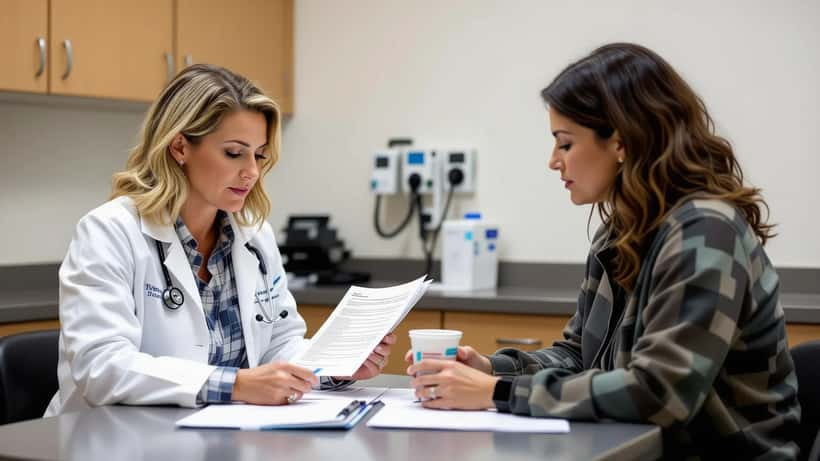
If you have symptoms now: Contact a healthcare provider without delay. Mention the cyclospora outbreak specifically and ask for targeted stool testing. Do not rely on a standard culture. Urgent care facilities can order the correct test if you cannot reach your primary care physician quickly.
If you ate at a Taco Bell between May and July 2026 and feel fine: Monitor yourself for the next 14 days. Cyclospora's incubation window means exposure may not produce symptoms immediately. If watery diarrhea begins within that window, do not assume it is unrelated.
If you used shredded iceberg lettuce at home: The Taylor Farms recall primarily covers product distributed to food service restaurants. Check current FDA recall notices for any retail expansions. When uncertain, discard any opened bags of shredded lettuce purchased since June 2026.
Early medical consultation does more than shorten your recovery. It creates a documented case report that feeds into outbreak surveillance, strengthens public health responses, and in some situations — particularly if a hospitalization occurs — can be relevant to understanding your legal options. For a detailed look at what patients sickened in this outbreak may be entitled to claim, see our related article: Cyclospora Outbreak 2026: Can You Sue If Contaminated Food Made You Sick?
If you need to speak directly with a physician about your symptoms, test results, or treatment options, a certified doctor on ExpertZoom can answer your questions quickly — without a weeks-long wait for an appointment.
Medical Disclaimer: This article is for informational purposes only and does not constitute medical advice. If you are experiencing symptoms of foodborne illness, consult a qualified healthcare provider. For emergencies, call 911.
