 Ava Sterling
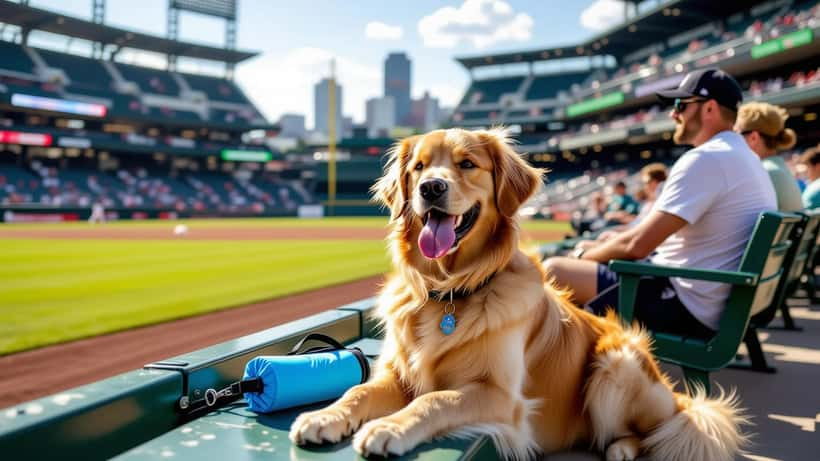
The Detroit Tigers are in Chicago to face the Cubs at Wrigley Field from July 20 to 22, 2026, and with the series landing in the thick of a Midwest summer, thousands of fans will pack the bleachers under a blazing sun. For a growing number of them, the ballpark trip now includes a four-legged guest. Dog-friendly promotions such as "Bark at the Park" have become a fixture at Major League stadiums, and both the Cubs and Tigers are among the many clubs that host them. Before you clip on the leash, a veterinarian's advice is simple: heat, not the scoreboard, is the real thing to watch this weekend.
Why a summer ballgame is a heat trap for dogs
Dogs do not cool themselves the way people do. They have very few sweat glands and rely almost entirely on panting to shed heat, which makes a crowded, sun-baked stadium far more dangerous for them than for their owners. According to the American Veterinary Medical Association, pets can overheat quickly when temperatures climb, and sitting in direct sun for several innings compounds the risk fast.
The concrete and metal that make up a stadium concourse only make matters worse. On a hot afternoon, walkway surfaces and bleacher aluminum can reach temperatures well above the air reading, and a dog's paw pads sit directly on them. The stretch from the parking lot to the gate — often over blacktop that has been cooking since morning — can burn pads before the first pitch is even thrown. A quick test helps: press the back of your hand to the pavement for seven seconds. If you cannot hold it there, it is too hot for your dog to walk on.
The warning signs a vet watches for
Heat stroke in dogs escalates from uncomfortable to life-threatening in minutes, so knowing the early signals matters more than any first-aid trick. Keep a close eye for these signs, and leave your seats the moment you notice them:
- Heavy, frantic panting that does not slow down when the dog rests
- Thick drooling or unusually sticky saliva
- Bright red or dark gums and tongue, a key sign of overheating
- Weakness, stumbling, or reluctance to stand
- Restlessness or agitation followed by disorientation
- Vomiting or diarrhea, sometimes with blood in severe cases
A dog showing several of these at once may already be in a medical emergency. Move to a shaded, quieter area immediately, offer small amounts of cool — not ice-cold — water, and wet the belly, paws, and groin with cool water if you can. Do not force water into a dog that is disoriented, and do not use ice, which can constrict blood vessels and slow cooling.
Which dogs should probably stay home
Not every dog belongs at a July doubleheader, and an honest assessment before you leave the house is the kindest call you can make. Flat-faced, short-muzzled breeds — bulldogs, pugs, boxers, French bulldogs — are built in a way that makes efficient panting difficult, and they are dramatically more prone to heat stroke. Older dogs, puppies, overweight dogs, and any pet with heart or respiratory conditions face the same elevated danger.
If your dog fits one of those categories, a loud, hot, crowded ballpark is not the place to test its limits. The excitement of tens of thousands of fans, the noise, and the packed seating all raise a dog's body temperature and stress level before the heat even factors in. Watching the game from an air-conditioned living room is not a failure of fandom — it is basic care.
A vet's game-day checklist
For dogs that are healthy, heat-tolerant, and genuinely comfortable in crowds, a few habits go a long way. Bring more water than you think you need and a collapsible bowl, and offer it every couple of innings even if your dog only laps a little at a time. Seek out shade under the concourse between innings rather than waiting for your dog to look distressed. Skip the human ballpark food — hot dogs, nachos, and anything with onions, garlic, or the sweetener xylitol can range from an upset stomach to an outright poisoning.
Consider a cooling mat or a lightweight, damp towel for your dog to lie on, and avoid the midday sun by choosing shaded sections when tickets allow. Above all, do not wait for a crisis to act. The safest owners are the ones who leave early, before their dog is in trouble.
When to call a professional
If cooling measures do not visibly settle your dog within a few minutes, treat it as an emergency and head for the nearest veterinary clinic. Heat stroke can damage the kidneys, liver, and clotting system hours after a dog appears to have recovered, so a vet check is worth it even when the immediate scare passes. It helps to look up the closest emergency animal hospital to the stadium before the game and to save its number in your phone.
For less urgent questions — whether your specific breed can handle a summer game, how to manage a senior dog's outing, or what to watch for afterward — a licensed veterinarian can give guidance tailored to your pet. On Expert Zoom, you can connect with a veterinary professional for personalized advice before you head to Wrigley, so the only thing you are sweating this weekend is the Tigers-Cubs pitching matchup.
This article is general information and not a substitute for professional veterinary care. If you suspect your dog is suffering from heat stroke, seek emergency veterinary help immediately. For official guidance on protecting pets in hot weather, see the American Veterinary Medical Association's hot-weather safety resource.
