 Carl Graham
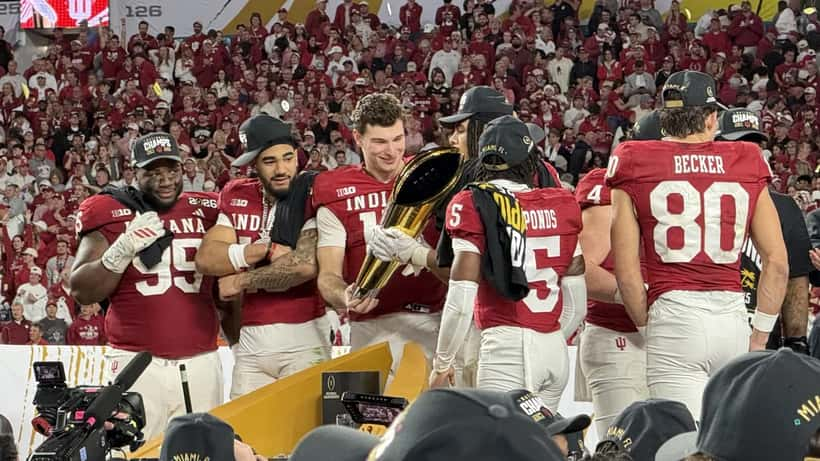
Indiana receiver Charlie Becker walked up to Ohio State coach Ryan Day after the Buckeyes beat the Hoosiers 19-15 in Bloomington on October 17, 2026, and apologized for a taunt he made after last year's Big Ten title game. "That was uncharacteristic of me," Becker told Day, according to Fox Sports and Yahoo Sports. The moment drew more attention than most touchdowns, and it raises a question many athletes and parents now ask: can one viral gesture cost a player real money?
What happened, and why it went viral
After Indiana beat Ohio State 13-10 in the December 2025 Big Ten championship game, Becker joined the trophy-presentation chant, flashing the familiar "O-H" before finishing with an "F-U" aimed at Buckeye fans. The clip spread within hours.
Ten months later, Becker caught nine passes for 165 yards in the loss. Afterward he found Day surrounded by Ohio State players and said, "I've been thinking a lot about it, and I'm sorry to you and Ohio State." Day gave him a friendly slap on the helmet. Reports note that Becker's father, Dave, played linebacker for the Buckeyes in 1995, and that Charlie grew up in an Ohio State household.
The question readers are actually asking: can a gesture cost an athlete a contract?
Short answer: yes, if the contract says so. Most college athletes now sign name, image and likeness (NIL) agreements with brands, collectives or local businesses. The NCAA's name, image and likeness guidance explains that athletes may earn money from endorsements, but the terms of each deal are private contracts, not NCAA rules.
Those contracts often contain a "morals clause" or "conduct clause." Typical language lets the paying party end or reduce the deal if the athlete does something that brings the brand into "public disrepute, contempt, scandal or ridicule." A profane gesture seen by millions could fit that wording, depending on how it is drafted.
Three things decide whether a clause actually bites:
- How broad the trigger is. "Conduct that embarrasses the brand" is much looser than "criminal conviction."
- Who decides. Many clauses give the brand sole discretion. Others require a reasonable determination, which is easier to challenge.
- Whether there is a cure period. Some agreements give the athlete a set number of days to fix the problem, for example by issuing a public apology.
An apology like Becker's matters here. In a dispute, a prompt, sincere correction can support an argument that any harm was limited and that the athlete acted in good faith.
The expert angle: why a contract lawyer reads the clause first
Sports and contract attorneys see the same pattern repeatedly. Athletes sign NIL deals quickly, often with a template drafted by the other side, and only read the conduct section after something goes wrong. A lawyer reviewing the agreement beforehand can negotiate three protections: a narrower definition of misconduct, a written notice and cure window, and a limit on how much money can be clawed back.
Social media adds a second layer. Brand agreements frequently require athletes to avoid "disparaging" posts about competitors or partners. A rival fan base is not usually a protected party, but a school's official sponsor may be. The wording of each deal matters more than any general rule.
A concrete case: a $60,000 deal and a viral clip
Consider a hypothetical sophomore receiver at a Division I program who signs a $60,000 one-year endorsement deal with a regional car dealership, paid in $5,000 monthly installments. The contract includes a morals clause and a 10-day cure period.
In month four, after $20,000 has been paid, the receiver makes a vulgar gesture to a rival crowd, and the clip reaches two million views. The dealership emails a notice of breach.
If the clause allows termination for "conduct that harms the brand" and the receiver issues a public apology within the 10-day window, the dealership may have to accept the cure, and the remaining $40,000 stays on schedule. If the contract has no cure period and gives the dealership sole discretion, it can likely end the deal immediately, and the receiver loses the $40,000 balance and may have to return part of the $20,000 already received.
The difference is two sentences of contract language, which is the point: the same gesture leads to opposite outcomes depending on the drafting. This is an illustration, not a prediction about any real player's deals.
Contracts are only one layer of risk
A morals clause is the brand's tool, but it is not the only one that can reach an athlete's conduct. Three other layers often apply at once.
School and conference rules. Athletes sign team conduct policies and, in many cases, school-side agreements. A university can discipline a player for behavior in uniform or at an official event, such as a trophy presentation, regardless of what any sponsor does. Those policies are separate from NIL contracts and are usually found in the team handbook.
State law. NIL rules differ from state to state. Some states require athletes to disclose deals to their school, and some restrict certain categories of sponsors. A lawyer familiar with the athlete's state can tell you whether a disclosure deadline or a restricted category affects a dispute.
Reputation and future deals. Even when no clause is triggered, a viral clip can change what the next sponsor is willing to offer. Agents and advisers often treat a fast, direct apology as a way to limit that damage, which is what Becker appeared to do by speaking to Day in front of the Ohio State team and cameras.
Taxes matter too. NIL payments are generally treated as income, and a contract dispute that returns money to a brand can raise questions about how earlier payments were reported. A tax professional can help sort out those details, separate from any legal question about the clause itself.
Questions to ask before you sign
Families often focus on the dollar figure. The clauses that decide what happens when something goes wrong deserve equal attention:
- Is the termination right mutual, or only for the brand?
- Does the brand have to pay for work already performed if it ends the deal?
- Are there limits on what the athlete can post about the brand's competitors?
- Does the contract require the athlete to repay money, and under what conditions?
- Which state's law governs, and where would a dispute be heard?
If any answer is unclear, ask for it in writing before signing. Changing a clause is far easier before the first payment than after a clip goes viral.
What athletes, parents and small businesses should do now
If you or your child has an NIL contract, take these steps:
- Find the conduct clause and read the exact trigger wording.
- Check for a notice and cure period, and note the number of days.
- Look at the payment structure. Lump sums paid upfront are harder to claw back than monthly installments, though repayment terms vary.
- Ask who judges the conduct and whether the athlete can respond before termination.
- Keep a record. Save posts, emails and the final signed version in case of a dispute.
Businesses on the other side face the same issue. A vague clause may be difficult to enforce, so sponsors who want protection should define unacceptable conduct clearly.
Next step
If you are weighing an NIL offer, or a brand has sent you a breach notice after something you did or posted, a licensed attorney who handles sports and contract law can review the actual wording and your state's rules. Expert Zoom connects you with Lawyers who can look at the clause before a viral moment turns into a financial dispute.
This article is general information, not legal advice. Contract rights depend on the specific agreement and the law of your state; consult a licensed attorney about your situation.
