 Bernard Stone
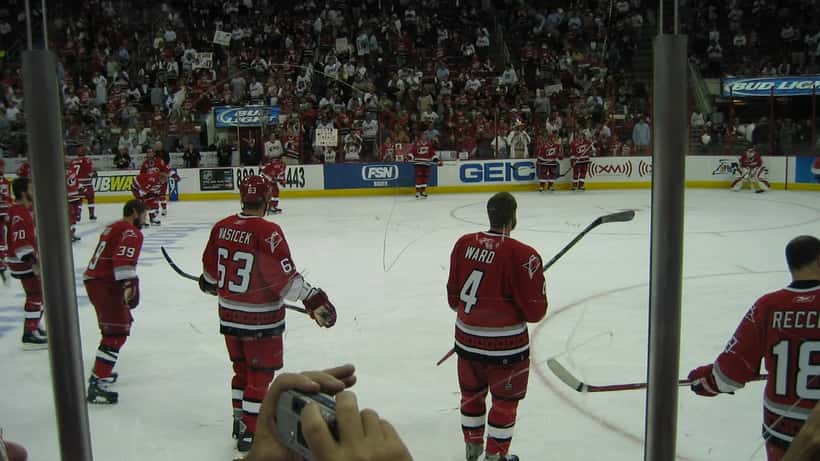
The Carolina Hurricanes made history on June 13, 2026, defeating the Vegas Golden Knights 3-0 in Game 6 of the Stanley Cup Final to claim their second championship in franchise history. Conn Smythe Trophy winner Jordan Staal and head coach Rod Brind'Amour led the Canes to a dominant playoff run that ended in Raleigh's first Stanley Cup celebration since 2006. As the city prepares for a victory parade — date and route still to be announced — the championship triggers one of the most overlooked financial events in professional sports: the Stanley Cup bonus distribution.
What does winning the Stanley Cup actually pay each player, and what should athletes do with that money in the weeks after the final buzzer?
Inside the NHL's $25 Million Playoff Bonus Pool
The NHL's annual playoff compensation fund, governed by the Collective Bargaining Agreement between the NHL and the National Hockey League Players' Association, distributes more than $25 million among the 16 teams that qualify for the postseason each year. The breakdown is strictly performance-based: teams eliminated in the first round receive the smallest share, while the Stanley Cup champion receives the single largest payout.
Under the NHLPA's CBA structure (nhlpa.com), playoff shares are distributed equally among players on each team's eligible roster — including players on injured reserve who were part of the championship run. For a team like the 2026 Hurricanes, which went deep into the playoffs and won the Cup in six games, individual player shares from the championship pool can range from $150,000 to over $300,000 per player, on top of their regular season salary.
For veterans like Jordan Staal, whose career salary places him comfortably among the league's well-compensated players, this bonus is a meaningful addition. For younger players or AHL call-ups on league-minimum contracts earning roughly $775,000, the championship share can represent more than a third of their annual income in a single payment.
The Parade Weekend Is Also a Financial Decision Point
A Stanley Cup victory parade is one of sport's great cultural moments. It's also, for many players, the beginning of an intense summer of financial decisions that happen all at once. In the weeks following a championship, player agents finalize contract negotiations, endorsement deals get signed, fans and friends make investment pitches, and players are asked to commit to charity events, real estate deals, and lifestyle upgrades — all while still celebrating.
Financial planners who specialize in professional athlete wealth management describe the post-championship period as one of the highest-risk windows for impulsive financial decisions. The combination of sudden cash inflow, public attention, and emotional euphoria creates conditions where even savvy players make choices they later regret.
For the Hurricanes, this dynamic carries particular weight because several veteran leaders — including Staal — are evaluating whether this championship marks the final chapter of their playing careers. Retirement planning and championship bonus management are happening simultaneously, and the overlap creates real complexity.
As noted in analysis of the NHL's playoff contract landscape published during this year's finals, the financial decisions players face during and after a championship run extend well beyond salary negotiations. The bonus pool is only one piece of a larger financial picture.
What a Smart Post-Championship Wealth Strategy Looks Like
Certified financial planners who work with professional athletes typically advise players to address four areas in the 60 days following a championship:
Tax planning before the check clears. NHL playoff bonuses are taxable income in the year they're received. Players who competed across multiple states during the playoffs — including road games in Nevada, Canada, and other jurisdictions — face complex multi-state and cross-border tax obligations. Working with a CPA and financial advisor before the bonus arrives can meaningfully reduce the tax burden.
Defining a celebration budget. Setting a specific, bounded amount for parade weekend spending, vacations, and memorable experiences protects against wholesale impulsive spending while allowing players to genuinely enjoy the win. This is not about being frugal after a championship — it's about being intentional. "Celebrate hard, but know the number," is how one sports financial planner described the principle.
Reviewing the portfolio for lifestyle creep. Championship years often coincide with increased spending on homes, vehicles, and travel. These purchases can be financially sound or financially damaging depending on the context. A wealth manager can help players distinguish genuine investments from expenses that masquerade as them — and identify when lifestyle upgrades are outpacing asset growth.
Planning the post-career transition now. For veterans approaching the end of their playing days, a Stanley Cup championship is frequently the moment retirement becomes real. Financial planning decisions made in this window — including annuities, real estate, business ventures, and pension optimization — shape quality of life for decades beyond the last game. Acting early matters enormously.
Raleigh's Economic Windfall
The Hurricanes' championship is not only a financial event for players. Stanley Cup parades have historically generated substantial economic activity in their host cities: hotel bookings, restaurant revenue, merchandise sales, and short-term rental income surge in the days surrounding a championship celebration.
Local economists estimate a Stanley Cup parade in a city like Raleigh could generate $30 to $50 million in additional economic activity during the celebration weekend. The long-term impact — on the team's brand value, Raleigh's national profile, and the local commercial real estate market — extends further.
For financial professionals serving clients in the Raleigh metro area, the championship creates real planning opportunities: small business lending, real estate valuation adjustments, estate planning for fan memorabilia and collectibles, and charitable foundation considerations for players establishing legacy giving.
The Confetti Clears Fast
Stanley Cup parade confetti disappears within hours. The financial decisions made in the weeks that follow shape a player's life for decades. Whether you're a professional athlete managing a playoff bonus, a local business owner planning around parade weekend traffic, or a fan navigating a sudden collectibles windfall, a certified financial planner can help you make decisions that hold up long after the celebration ends.
Raleigh is about to throw one of its greatest parties. Make sure your finances are ready for the morning after.
This article is for informational purposes only. Financial decisions should be made in consultation with a licensed wealth management professional or certified financial planner.
