 Odette Caplan
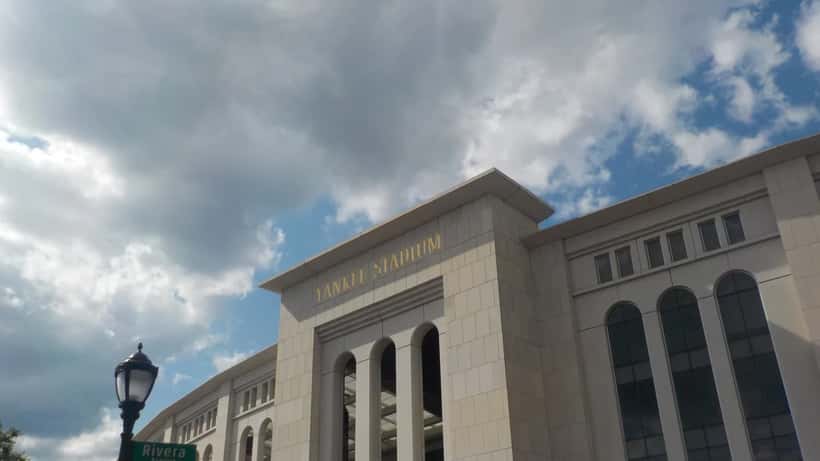
The St. Louis Cardinals arrived in the Bronx this week for a three-game series at Yankee Stadium — August 3, 4, and 5, 2026 — and thousands of fans who missed the official sale are now turning to resale platforms to get in. What many don't realize is that New York State law already sets hard limits on how much resellers can charge them, and Governor Kathy Hochul recently strengthened those protections further.
What's Happening at Yankee Stadium This Week
The Cardinals-Yankees matchup has drawn heavy interest across both fanbases, making it one of the higher-demand interleague series of the 2026 season. With official tickets largely sold out for peak-demand seats, platforms like Ticketmaster's resale section, TickPick, Gametime, Vivid Seats, and Event Tickets Center are all listing inventory at varying price points.
According to listings pulled in early August, some seats are available starting around $14–15 on the secondary market for weeknight games — but premium sections and desirable sightlines are priced significantly higher, often hundreds of dollars above the original face value. That gap is exactly where New York's consumer protection law kicks in.
The three-game series at Yankee Stadium, a venue with seating capacity well above 5,000, falls squarely under state ticketing regulations. Understanding those rules before you click "buy" can save you money — or help you make a legitimate complaint if a seller crosses a legal line.
What New York Law Says About Ticket Resale
New York's Arts and Cultural Affairs Law (ACAL) lays out two key rules that apply to any resale of tickets for events at large venues like Yankee Stadium.
The 45% cap on markup. Under ACAL § 25.29, resellers are prohibited from charging more than 45% above the face value of a ticket, including any service charges. This is not a guideline — it is a legal ceiling. If a ticket has a face value of $80, a reseller cannot legally charge you more than $116, including all fees. Many secondary platforms operate nationally and don't always surface this state-specific rule clearly in their checkout flows.
The 1,500-foot rule. Under ACAL § 25.30, individuals cannot resell tickets within 1,500 feet of a venue with a seating capacity over 5,000 unless they have the venue's express permission. This is the classic "street scalper" prohibition, but it also applies to some informal peer-to-peer sales transacted physically near the stadium.
The bot ban. New York's General Business Law prohibits the use of automated software (bots) to bulk-purchase tickets and then resell them. Violating this law is a Class A misdemeanor. The problem for consumers: bot-purchased inventory still ends up on major resale platforms, meaning you could be unknowingly buying from a bad actor. Governor Hochul signed additional legislation — S.9461/A.10500 — that expands penalties for bot use and bans practices like delivery fees on electronic or print-at-home tickets, and the sale of "free tickets" through paid channels. More details on those protections are available directly from the New York State Governor's office.
What isn't covered. The 45% cap applies to individual resellers and ticket brokers. MLB's own official resale marketplace and some licensed exchange platforms may operate under different terms. Always check whether a platform is operating as an "authorized" reseller versus an independent broker — the legal obligations differ.
The 45% Cap in Practice — A Concrete Scenario
Take the following realistic case: a fan purchases two tickets in the lower grandstand section for the August 4 game. The original face value printed on each ticket is $95. That puts the legal maximum resale price — under ACAL § 25.29, including all fees and service charges — at $137.75 per ticket, or $275.50 for the pair.
Now imagine the same fan finds those two tickets listed on a resale platform at $165 each, plus a $28 service fee per ticket. The total per-ticket charge becomes $193 — representing a 103% markup over face value, more than double the legal 45% cap.
If → the seller is an individual or unlicensed broker operating in New York State, and the ticket face value is clearly printed on the original ticket, then → the buyer has a legitimate basis to report the transaction to the New York State Attorney General's consumer protection office and potentially seek a refund of the overcharge.
This scenario matters especially for high-demand sections: if the Cardinals series had sellout-level demand for premium seats with $150–$200 face values, the illegal markups in premium categories could run $300–$400 per ticket. Knowing the 45% ceiling gives fans a concrete benchmark to challenge a charge — before and after purchase.
One important caveat: the "face value" must be ascertainable. For tickets sold originally at a variable or auction-style price, the baseline is harder to pin down. This is where a consumer rights lawyer can help you determine whether a markup violates state law, since the calculation depends on what can be documented.
Four Steps to Protect Yourself Before the First Pitch
1. Screenshot the original face value before buying resale. MLB.com and the official Yankees ticketing page often still display the original price tier, even when tickets are sold out. That number is your legal benchmark.
2. Calculate the 45% ceiling yourself. The formula is simple: face value × 1.45 = maximum legal price including fees. If the all-in checkout total at any platform exceeds that number, you are looking at a potentially illegal transaction.
3. Check whether the platform is licensed in New York. Licensed ticket brokers must register with the state. Many major platforms comply; some do not. The New York State Department of State maintains registration records. If a platform is unlicensed, their consumer protections are limited.
4. Report violations to the AG. The New York Attorney General's office accepts consumer complaints about ticket pricing violations at large events. Complaints don't guarantee a refund but they do create a record — and class action cases against resale platforms have been built on exactly this kind of documented pattern.
Beyond the legal angle, fans at Yankee Stadium in early August should also factor in the heat: stadium sections in direct afternoon sun can hit uncomfortable temperatures before evening games, and parking and transit logistics for the Bronx differ meaningfully from other Metro-area venues. These practical considerations affect the real value of the seat you're paying for.
When to Talk to a Lawyer — and Why It's Simpler Than You Think
Most consumers assume that fighting a ticket overcharge isn't worth the trouble. In many states, that's accurate. In New York, it may not be — because the legal ceiling is codified, the burden of proof is relatively low (the face value is usually printed on the original ticket or available on the official team site), and consumer rights attorneys in New York often work on contingency for small-dollar consumer protection claims.
If you paid $400 for two lower-grandstand seats that should have maxed at $275 under the law, the $125 difference isn't trivial. A brief consultation with a consumer rights lawyer — many offer free initial consultations — can tell you quickly whether you have a claim worth pursuing, either individually or as part of a broader action against the resale platform.
This applies not just to the Cardinals-Yankees series. Any large MLB event in New York, from a regular-season game to a potential playoff matchup later in 2026, triggers the same state protections. Building the habit of checking before you buy is one of the simplest forms of consumer self-defense available.
Legal disclaimer: This article is informational only and does not constitute legal advice. Consult a qualified attorney for guidance specific to your situation.
