 Evelyn Carter
The summer heat danger no one prepares for at World Cup stadiums
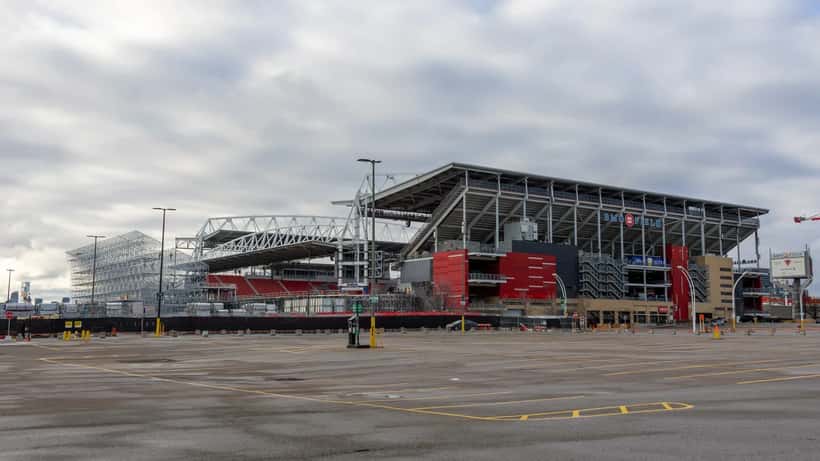
Canada's 2026 FIFA World Cup opening ceremony at BMO Field in Toronto drew more than 40,000 fans on June 12, 2026. Before Canada kicked off its historic first World Cup match against Bosnia and Herzegovina, Michael Bublé, Alanis Morissette, Alessia Cara, Jessie Reyez, and William Prince performed across a packed outdoor stage under June sun. It was a once-in-a-generation event — and a genuine test of attendee health.
Large-scale outdoor stadium events in summer heat create conditions that physicians flag repeatedly: heat-related illness can develop in healthy adults faster than most people expect, particularly in dense crowds without adequate shade, water access, or airflow. Thousands of US fans who crossed into Toronto for the ceremony are now returning home — some feeling more than just tired.
Heat exhaustion: the early warning your body sends
Heat exhaustion is the most common stadium health emergency. It develops when the body loses too much fluid and salt through sweating during prolonged exposure to high temperatures — standing, cheering, and moving through packed crowds for hours amplify the effect.
According to the Centers for Disease Control and Prevention, heat exhaustion symptoms include heavy sweating, cool or pale and clammy skin, a fast or weak pulse, nausea, muscle cramps, dizziness, headache, and fatigue. These are the body's clear warning signals. Ignoring them is precisely how heat exhaustion becomes heat stroke.
Heat stroke is the life-threatening progression. The body's temperature-regulation system fails, core temperature rises above 40°C (104°F), and sweating often stops entirely. Confusion, loss of coordination, or unconsciousness at a stadium event requires an immediate call to emergency services. Medical stations at FIFA-sanctioned venues are equipped for this response, but access time in a packed crowd can be delayed.
Why stadium crowds amplify heat risk
BMO Field and venues of its scale create a microclimate effect: tens of thousands of bodies generate body heat that has nowhere to dissipate. Standing surfaces — concrete concourses, artificial turf — absorb solar radiation and re-radiate it upward through the afternoon.
The main heat risk factors at a stadium event:
- Dense crowd compression: Reduced airflow prevents the body from cooling via convection, its most efficient outdoor mechanism
- Alcohol consumption: Alcohol acts as a diuretic, accelerating dehydration while suppressing the brain's thirst signal
- Standing for extended periods: Reduces blood return from lower extremities and raises cardiovascular load
- Travel fatigue: Many US fans drove or flew to Toronto, arriving with disrupted sleep and baseline dehydration
- Excitement-driven heart rate elevation: The physiological response to an opening ceremony performance — surprise, cheering, standing — increases metabolic heat output
Heat effects accumulate across the hours of a ceremony plus a 90-minute match. What feels manageable at 1:30 p.m. ET when the ceremony begins can become dangerous by 4 p.m. without active countermeasures.
Hydration strategies that actually work
Most fans dramatically underestimate their fluid needs at outdoor summer events. The standard recommendation for sedentary adults in moderate weather is roughly 2 liters per day. In summer heat with standing and activity, needs rise to 3 to 4 liters or more.
Practical strategies for multi-hour outdoor events:
- Arrive already hydrated: drink 500ml of water 30 to 60 minutes before entering the venue
- Set a reminder to drink water every 30 minutes, regardless of thirst — thirst lags dehydration by approximately 1 to 2 percent of body weight lost
- Match each alcoholic drink with a full glass of water
- Choose water or electrolyte drinks over soft drinks; carbonation slows fluid absorption
- Eat foods with high water content rather than salty stadium snacks, which drive fluid loss
BMO Field permitted sealed water bottles under 500ml for the ceremony. Fans who planned ahead had a meaningful health advantage.
What to do if symptoms appear
If heat exhaustion symptoms appear — dizziness, nausea, extreme fatigue, rapid heartbeat — the response protocol is:
- Move immediately to shade or an air-conditioned area (stadium concourses, medical tents, or indoor spaces)
- Remove excess layers of clothing
- Drink cool water or a sports drink with electrolytes
- Apply cool, damp cloths to the neck, armpits, and forehead
- Sit or lie down with legs slightly elevated
If symptoms do not improve within 15 to 20 minutes, escalate to the stadium's medical station. If the person becomes confused, stops sweating despite being in heat, or loses consciousness, call 911 immediately.
Who faces elevated risk
Older adults (60 and above) have reduced thermoregulation efficiency and are significantly more vulnerable to heat illness than younger adults. People with pre-existing cardiovascular conditions, diabetes, or kidney disease face compounded risk. Certain medications — antihistamines, blood pressure medications, diuretics, and antidepressants — impair sweating and heat dissipation.
US fans returning from Toronto may have consumed alcohol during travel and arrived in a mildly dehydrated state before the event even began. Combined with a lengthy outdoor ceremony on a summer afternoon, this creates a scenario where heat illness risk is elevated even for otherwise healthy adults.
Post-event health concerns to watch for
Heat stress effects can persist 12 to 36 hours after an outdoor event. Signs that warrant medical attention in the days following attendance include:
- Persistent headaches not resolved by hydration and rest
- Dark amber or rust-colored urine, which signals significant dehydration or kidney stress
- Unusual fatigue lasting more than 48 hours
- Rapid or irregular heartbeat that does not settle with rest
These symptoms can indicate delayed-onset heat injury. A telehealth consultation with a physician is an efficient first step to evaluate whether recovery is progressing normally.
When to consult a health professional
Attendance at a major outdoor summer event is generally safe with preparation. A health professional consultation before the event is advisable if you take medication affecting heat tolerance, have cardiovascular or kidney conditions, or have previously experienced heat illness.
After the event, if you felt genuinely symptomatic — not just tired, but dizzy, nauseous, or deeply fatigued — a follow-up with a health professional is the right call. Early evaluation of heat-related illness prevents complications that worsen over the following days.
For same-day telehealth consultations with physicians who can assess post-event symptoms, ExpertZoom's health professionals are available across time zones and can help you determine whether what you experienced at the ceremony needs follow-up care.
This article contains general health information and is not a substitute for advice from a qualified medical professional.
