 Carl Graham
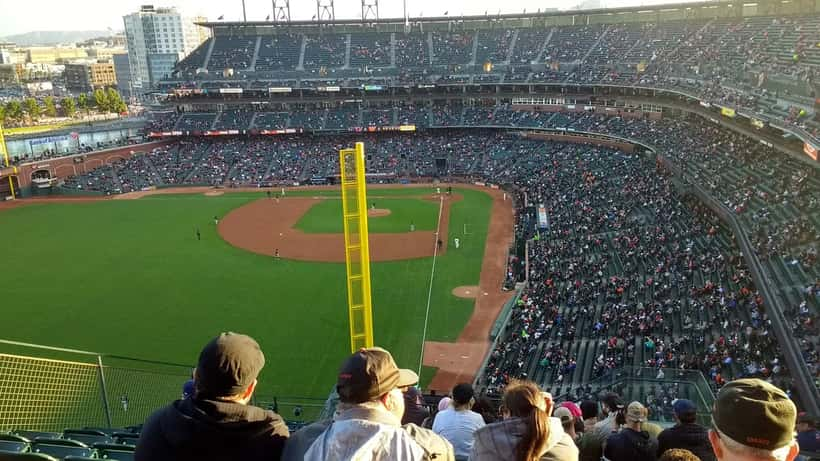
The Milwaukee Brewers (66-39, leaders of the NL Central) are at Oracle Park in San Francisco for a three-game series on July 27-29, 2026. They brought one of baseball's best records and a crowd of Giants fans hoping for an upset. But the consumer landscape surrounding those tickets has been upended by three federal enforcement actions in 2026 alone — and most fans at Oracle Park this week have no idea those rights exist.
This article is for informational purposes only and does not constitute legal advice. Consult a qualified consumer protection or entertainment attorney for guidance specific to your situation.
The 2026 Federal Crackdown on Ticket Platforms
In April 2026, StubHub agreed to pay $10 million to settle Federal Trade Commission charges that it had violated the FTC Act and the agency's Rule on Unfair or Deceptive Fees. The specific violation: advertising ticket prices without "clearly and conspicuously disclosing" all mandatory fees upfront. In practice, this meant fans saw a $90 ticket on the listing page, then arrived at checkout to find $125 after "service fees," "fulfillment fees," and "facility charges" were added. The FTC ruled this was deceptive, and StubHub's settlement funds are now being distributed to eligible consumers through a claims process that runs through late 2026.
That was April. In March 2026, the U.S. Department of Justice finalized its structural settlement with Live Nation/Ticketmaster, which included a hard cap of 15% on service fees for primary-market ticket sales. For a $150 lower-deck ticket at Oracle Park, that cap limits service fees to $22.50 — compared to the $35 to $55 fees that were standard on the platform before the settlement.
Most recently, in July 2026, the FTC took action under the Better Online Ticket Sales (BOTS) Act, fining ticket broker Elite Events $300,000 for using automated purchasing software to bulk-buy millions of dollars' worth of event tickets — including MLB games — before real fans could access them. The enforcement sent a clear signal: scalping bots are now a federal matter, not just a platform policy issue.
According to consumer protection attorneys, the 2026 regulatory cycle represents the most aggressive federal intervention in the live-event ticket market in more than a decade. The legal landscape changed faster than most fans realized, and the Brewers-Giants series is exactly the kind of high-demand matchup where these rules are most likely to be tested.
What a Consumer Rights Lawyer Would Tell You
The gap that matters most, according to lawyers who specialize in consumer and entertainment law, is the difference between what a team's in-house postponement policy offers and what federal law independently guarantees you.
Under most MLB franchise postponement terms — and the San Francisco Giants are no different — a rescheduled game means your original ticket is valid only for the makeup date. If you can't attend the makeup, you may receive a credit toward a future game of equal or lesser face value. A cash refund is only guaranteed if a game is cancelled with no makeup scheduled at all.
But federal consumer protection creates parallel rights that exist regardless of what the Giants' policy says.
Under the FCBA — the Fair Credit Billing Act — a consumer who paid by credit card has the right to dispute a charge if the service they purchased was "not delivered as agreed." Consumer attorneys note that if you bought tickets to a specific game (July 28, Oracle Park, 9:45 PM) and that game is substantially altered — rescheduled to a different date, or played as part of a doubleheader — a chargeback argument can succeed, especially when the original purchase was made on a resale platform rather than directly from the team. The dispute window is 60 days from the date the charge appears on your statement.
Additionally, the FTC's StubHub settlement covers purchases made before the platform's pricing disclosures were updated. If you bought Brewers-Giants resale tickets earlier in 2026 or in 2025 through StubHub and were charged fees that were not shown upfront at the time, you may already be eligible for a share of the $10M refund pool — independent of whether the game is postponed or not.
The Concrete Case: A Fans' Tickets When the July 28 Game Gets Fogged Out
Oracle Park is one of the most fog-prone venues in major league baseball. Games in late July frequently face weather delays, and the park's wind patterns have caused multiple postponements over the past three seasons. Take the concrete scenario of a Brewers fan from Chicago who purchased two upper-deck seats for the July 28 game through StubHub in early June 2026, at a listed price of $140 each. At checkout, a $58 service fee and $14 fulfillment fee were added — bringing the true total to $352 for two tickets. The service fee alone represents 20.7% of the face value, well above Ticketmaster's new 15% primary-market cap (though StubHub operates as a resale marketplace and is not directly bound by the DOJ's primary-market cap).
The July 28 game is postponed due to heavy fog at 7 PM and rescheduled as a split doubleheader the following Thursday afternoon, when the fan is already back in Chicago.
Here is what the law actually gives them:
If the game is rescheduled as a doubleheader: Under the Giants' standard policy, the original ticket is valid for the makeup date only. No cash refund. A credit exchange for a future game may be available before the makeup date starts — but the fan is in Chicago and unable to travel back for a weekday afternoon.
Under the FTC's StubHub settlement: If the $58 service fee was not shown upfront when the fan first clicked on the listing (a violation of the FTC Rule on Unfair or Deceptive Fees), they qualify for a refund of that fee from the $10M settlement pool. Filing a claim requires documentation of the purchase — a receipt and a screenshot of the original listing if available. The claim deadline under the settlement runs through December 2026, according to the FTC's official enforcement page.
Under the FCBA chargeback route: The fan paid by credit card. They have until 60 days from their June credit card statement to dispute the charge with their bank, arguing they did not receive the service as purchased — specifically, tickets to a game at Oracle Park on July 28, 2026. A legal review of the listing language and the chargeback claim's framing takes about 30-45 minutes with a consumer rights attorney. If the bank rules in their favor, they recover the full $352.
Bottom line: if the game is merely postponed, the fan's strongest immediate recourse is the credit card chargeback — time-limited but powerful. The FTC StubHub pool covers the hidden fees regardless of game status. A lawyer can assess both routes in a single consultation.
Four Steps to Protect Your Tickets This Series
Consumer attorneys who follow MLB ticketing practices identify four actions that meaningfully reduce your exposure before you buy — or immediately after something goes wrong:
Document the checkout process completely. Screenshot the listing price before clicking, the fee breakdown at checkout, and the confirmation email. This three-screenshot sequence is the minimum documentation needed to establish an FTC violation or support a chargeback. Courts and the FTC have accepted screenshot evidence in consumer protection claims in 2026.
Always pay with a credit card, not a debit card. Credit card transactions are covered by the FCBA, which gives you 60 days from your statement date to file a billing dispute. Debit transactions clear through bank networks with weaker dispute rights and shorter windows. This single habit is the most reliable legal protection available to any ticket buyer.
Check the hosting team's postponement policy before purchase — not after. The Giants' home game policy at Oracle Park is not the same as the Brewers' American Family Field policy in Milwaukee. A game postponed at Oracle Park follows Giants terms; a rainout in Milwaukee follows Brewers terms. Knowing whether you get a refund, a credit, or just a makeup ticket before you hand over $300 is the difference between an informed purchase and an unpleasant surprise.
If you bought through a broker, the BOTS Act now gives regulators more leverage. The July 2026 FTC enforcement against Elite Events means ticket brokers using automated purchase tools face federal liability. If you bought resale tickets at prices significantly above face value from a third-party broker, an attorney can assess whether the purchase involved bot-inflated inventory — and what remedies exist. Consumer rights frameworks developed in the NBA resale market this season also apply directly to MLB purchases.
The Brewers-Giants matchup is compelling baseball — Milwaukee atop the NL Central, San Francisco near the bottom of the NL West, an Oracle Park crowd hoping for an upset. But the regulatory changes of 2026 mean that for the first time, fans walking through those gates have real, federally-backed leverage if the night goes sideways. Most won't need it. For those who do, a consumer protection attorney can typically clarify their options in under an hour — the same time it takes to drive from downtown San Francisco to the ballpark.
