 Kristen Williams
Big Brother 28 returned on Thursday, July 9, 2026, with a 90-minute premiere at 8 p.m. ET on CBS, and within 48 hours the season's real draw was live again: the 24/7 feeds. According to CBS, new episodes now air Wednesdays, Thursdays and Sundays, while the round-the-clock feeds went live on Paramount+ after Big Brother: Unlocked premiered Friday, July 10. For the millions of fans who watch the feeds more than the broadcast, the deciding factor is no longer the cast — it is whether your home setup can actually stream four camera quads, all night, without freezing at the worst possible moment.
The 2026 schedule, and why the feeds change everything
The broadcast schedule is the easy part. Premiere week aside, CBS is running three episodes a week at 8 p.m. ET/PT, and those same episodes stream live on Paramount+ for subscribers on the Premium plan. If you only want the edited show, a single device and a basic connection will do.
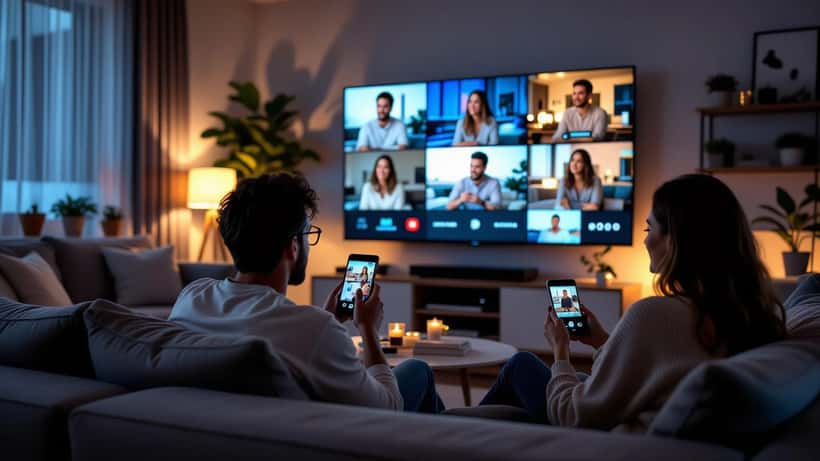
The live feeds are a different animal. Paramount+ is again offering 24/7 access to the house cameras to subscribers on any plan, and for the first time the feeds are also surfacing on Pluto TV in a free, ad-supported format, plus limited windows on YouTube following each episode. That means the audience is spreading its viewing across phones, tablets, laptops and living-room TVs simultaneously — often several at once in the same household. Continuous, multi-screen streaming is exactly the workload that exposes an aging router, an underpowered streaming stick, or a broadband plan that looked fine for a nightly movie but chokes on all-night feeds.
Will your internet actually keep up?
This is where most feed frustration starts, and it is usually fixable. The FCC's broadband speed guide puts the bit rate for 4K video at roughly 15 to 18 Mbps — more than double HD and about nine times standard definition — and stresses that those figures are per activity, running one stream at a time.
That last detail matters for feed watchers. If one person is running the feeds in HD on the TV while another checks them on a phone and a third streams the broadcast, you are stacking three simultaneous demands on the same pipe. A connection advertised at 25 Mbps can look generous on paper and still stutter once three or four streams, a smart speaker and a game console are all competing. The FCC's own household guidance frames the question the right way: not "how fast is my plan," but "how many devices are streaming at once." Watching the feeds is a high, sustained-use scenario, not a light one.
The devices and settings that make or break the feeds
Hardware is the second common culprit. Live feeds are demanding in a way canned, buffered video is not: they run for hours and cannot pre-load the way an on-demand episode does. A few practical checks separate a smooth season from a stuttering one.
Start with the streaming device itself. Budget sticks that are three or four years old often lack the memory and modern Wi-Fi radios to hold a long, continuous stream, and they run hot — which triggers throttling right when you have been watching for hours. Wherever possible, put the primary viewing device on the 5 GHz band or a wired Ethernet connection rather than crowded 2.4 GHz Wi-Fi.
Next, mind the app itself. The Paramount+ and Pluto TV apps default to the highest quality your connection will allow, but you can cap the resolution in settings if your bandwidth is tight — dropping the feeds from 1080p to 720p can be the difference between watching and buffering, and on a phone the picture difference is negligible. Finally, restart the router before a big live event; consumer routers accumulate memory leaks and dropped sessions over weeks of uptime, and a simple reboot clears the exact congestion that shows up as a frozen feed.
Don't let the subscription stack surprise you
Feed season is also when streaming bills quietly balloon. Fans routinely add a Premium plan to catch the live broadcast, keep a base plan for the feeds, and forget both after the finale in the fall. If you sign up specifically for Big Brother, set a calendar reminder to review or cancel once the season ends. Auto-renewing subscriptions are one of the most common sources of "why am I still paying for this" charges, and the free Pluto TV feed route exists precisely for viewers who do not want another recurring line item.
When it is worth calling an expert
Most feed problems trace back to one of three things — the connection, the device, or the app settings — and a short consultation can pinpoint which. A consumer-electronics or IT specialist can run an actual speed test at your TV rather than at the router, tell you whether your five-year-old streaming box is the bottleneck, and recommend a mesh node or Ethernet run if your viewing spot sits far from the router. For a household that has been fighting buffering for several summers, that diagnosis usually costs less than the streaming hardware people buy on a guess.
The Big Brother 28 feeds will run for roughly three months, night after night, across CBS, Paramount+, Pluto TV and YouTube. That is a long stress test for any home network. A little setup now — the right device on the right band, a connection sized for simultaneous streams, and resolution settings that match your bandwidth — is what keeps you watching the drama in the house instead of a spinning loading wheel.
If your feeds keep freezing at the worst moment, an Expert Zoom consumer-electronics specialist can diagnose your streaming setup and get you a stable, all-season feed.
