 William Reed
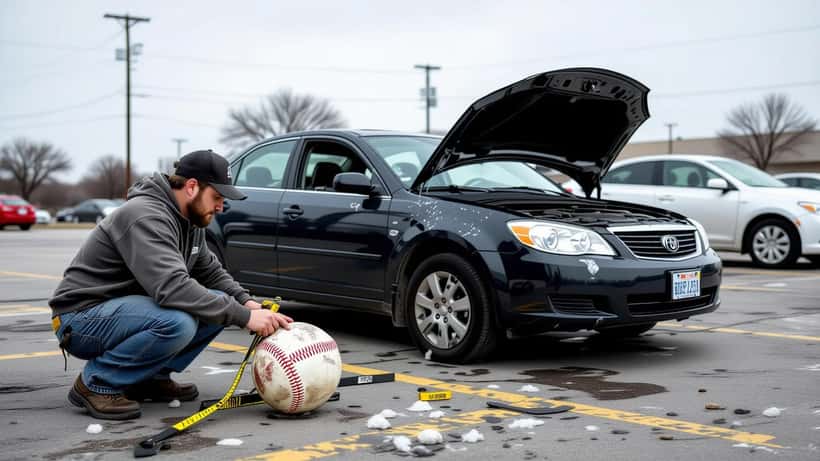
A powerful line of thunderstorms swept through the Austin metro on May 10, 2026, knocking out power for more than 14,000 Austin Energy customers and dropping hail ranging from golf-ball to baseball size across Blanco, Burnet, Llano, and Gillespie Counties, according to the National Weather Service. Social media filled quickly with photos of dented hoods, cracked windshields, and battered side panels — the fallout from yet another "Hail Alley" event in Central Texas.
Austin sits in one of the most hail-prone corridors in the United States. That means every spring and summer, Central Texas drivers face the same question: when the storm clears, is my car repairable — or is it effectively totaled? The answer depends on several factors that only a trained mechanic can fully evaluate.
Why Austin Is Ground Zero for Vehicle Hail Damage
Central Texas receives more large-hail events per square mile than almost any other urban area in the country. The convergence of Gulf moisture, dry air from the west, and seasonal temperature swings creates ideal conditions for supercell thunderstorms capable of producing hail larger than two inches in diameter.
The May 2026 storm was not unusual for the region. Hail reached 1.5 inches near Georgetown and Burnet, while baseball-sized stones hit Blanco, Llano, and Gillespie Counties to the west. A follow-up survey by the National Weather Service confirmed a long-track microburst struck the Austin metro, adding wind-driven horizontal hail to the damage equation. According to NWS Austin/San Antonio, Central Texas averages more than a dozen significant hail events each year.
For car owners, the question isn't whether a hail event will hit — it's whether they're prepared when it does and what steps they take in the first 48 hours afterward.
How to Assess Your Vehicle After a Hailstorm
Before calling your insurance company or driving straight to a shop, a professional mechanic recommends a systematic visual inspection of your vehicle:
Check the body panels first. Walk slowly around the car and look for circular dents — the calling card of hail impact. Pay close attention to the hood, roof, and trunk lid, which are nearly horizontal and absorb the most direct impacts. Door panels and rear quarters also catch significant damage when storm winds drive hail at an angle.
Inspect the glass carefully. Run your fingers lightly across the windshield and rear window. Even hairline cracks can spread rapidly with temperature changes — and may disqualify you from driving legally in Texas. Side windows are more resistant but not immune, especially to baseball-sized stones traveling at storm speeds.
Look under the hood. Smaller hailstones can work through open grille slats and damage the radiator, condenser, or cooling fans. If your car runs hot on the way to a repair shop, the damage may run far deeper than the exterior suggests.
Document everything before you touch anything. Take time-stamped photographs from multiple angles and distances. Insurance adjusters and mechanics both rely on this documentation to establish the full scope of damage and prevent disputes later.
When to Go to a Mechanic vs. a Body Shop
This is a distinction many drivers miss — and it costs them. A body shop handles cosmetic repairs: dent removal, repainting, glass replacement. A mechanic inspects the components that actually make your car run.
After a severe hailstorm, you often need both professionals. Large hail traveling at high velocity can depress body panels enough to affect door seals and window regulators — both mechanical components. A cracked or misaligned hood can shift the latch mechanism. If water has entered the cabin through a damaged seal or broken window, electrical systems, including sensors, ADAS modules, and infotainment units, may be compromised.
A certified mechanic with experience in storm damage can run a full diagnostic scan to identify electronic faults that remain invisible during a standard body shop walkthrough. For Texas drivers dealing with regional hail events, the Houston 2026 storm damage guide covers how neighboring markets handle similar claims — useful context if your vehicle crosses county lines for service.
Paintless Dent Repair: The Good, the Bad, and the Limits
Paintless Dent Repair (PDR) has become the industry standard for hail damage in Austin. Technicians use specialized metal rods and precision tools to massage dents out from the inside of body panels without breaking the paint surface. PDR is faster, cheaper, and preserves the factory finish — three advantages that make it the default choice after most hail events.
But PDR has real limits. Dents larger than two inches, damage on panel edges or body creases, or impacts that have stretched the metal beyond its elasticity threshold cannot be properly addressed with PDR alone. A reputable mechanic will be upfront about these constraints and recommend traditional panel replacement when PDR would produce inferior or temporary results.
Be especially wary of "storm chasers" — itinerant PDR technicians who arrive in affected cities after major events, offer low estimates, and disappear before warranty issues surface. Always ask any vendor for a verifiable Austin physical address and proof of liability insurance before signing any repair authorization.
Insurance Claims: What Your Mechanic Wants You to Know
Most auto insurance policies in Texas cover hail damage under comprehensive coverage — not collision. This matters practically because comprehensive claims typically do not raise your premium the way collision claims do.
However, the claims process has pitfalls that trip up even experienced car owners. Adjusters often underestimate supplemental damage — items that become apparent only after initial repairs begin. A mechanic who regularly works with insurance adjusters can submit a detailed damage report upfront, reducing the risk of a reopened claim or a settlement that doesn't cover actual repair costs.
If your initial settlement offer seems low, you have the right to request a re-inspection. Many Austin body shops and mechanics offer free damage assessments and can help you document a stronger case before you accept any payment.
When to Consult a Professional Mechanic
If your car sustained hail damage in the May 2026 Austin storms — or in any subsequent Central Texas event — the right move is a two-step consultation: a body shop assessment for visible cosmetic damage, and a certified mechanic for a full mechanical and electrical diagnostic scan.
Skipping the mechanic step often leads to missed damage, delayed insurance payouts, or repairs that fail under the next storm. On ExpertZoom, you can connect directly with licensed automotive mechanics who specialize in storm-damage assessment and post-hail diagnostics — before you commit to a repair shop or inadvertently sign away your insurance rights.
