 Jessica Johnson
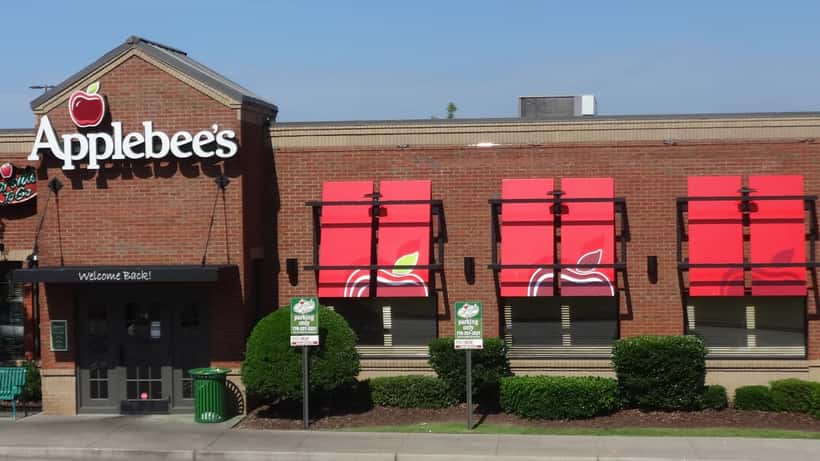
On May 5, 2026, Applebee's filed a lawsuit against one of its largest franchisees — Apple Texas — alleging that the franchisee's acquisition of Logan's Roadhouse violated the terms of their franchise agreement. The central argument: by purchasing a competing casual dining chain, Apple Texas crossed a line that the franchise contract explicitly draws. The case is now moving through courts, and it's shining a spotlight on one of the most misunderstood documents in the restaurant industry: the franchise agreement.
If you own or are considering buying a restaurant franchise, here's what the Applebee's lawsuit reveals about what these contracts actually prohibit — and why a franchise attorney should review any agreement before you sign.
What Happened: Applebee's vs. Apple Texas
Apple Texas is one of Applebee's largest franchisees, operating dozens of locations across the southern United States. In early 2026, Apple Texas acquired Logan's Roadhouse — a casual dining chain that directly competes with Applebee's for the same customer demographic: families and working adults seeking affordable sit-down meals.
Applebee's alleges that this acquisition violates the non-compete and competitive use clauses embedded in Apple Texas's franchise agreement. Under these clauses, franchisees typically agree not to operate, invest in, or acquire businesses that compete with the franchisor's brand during the term of the franchise agreement.
Applebee's confirmed earlier in 2026 that the chain expects to close 5 to 15 locations this year as underperforming units are consolidated into dual-branded IHOP-Applebee's outlets. Against that backdrop, having a major franchisee acquire a direct competitor is an acute threat to the brand's market share strategy — which is likely why the company moved quickly to litigation.
What Franchise Agreements Actually Prohibit
The Applebee's lawsuit illustrates why franchise agreements are not simply operational manuals. They are legally binding contracts that impose significant restrictions on franchisee business activities — often far beyond what new franchisees expect when signing.
Common restrictive clauses in restaurant franchise agreements include:
Non-compete provisions. These prohibit franchisees from owning, operating, or holding a material equity stake in a competing business during the franchise period and, in some contracts, for 1-2 years after the agreement ends. What counts as "competing" is often defined broadly — sometimes encompassing any food service business within a specified geography.
Territorial exclusivity and crossover. Franchisees typically receive rights to operate in a defined territory. But that same agreement often restricts the franchisee from opening unrelated restaurants in adjacent territories, even under entirely different brand names, if the franchisor can argue competitive harm.
Acquisition restrictions. Some franchise agreements explicitly require franchisor approval before a franchisee can acquire any other restaurant company, regardless of brand. This clause — common in agreements from large casual dining chains — is precisely what Applebee's appears to be invoking against Apple Texas.
Transfer and change-of-control clauses. If a franchisee undergoes a merger, acquisition, or material ownership change, the franchisor typically has the right to approve or veto the transaction. Failing to obtain that approval — even for an ownership restructuring within the franchisee's corporate family — can trigger breach of contract claims.
Why Franchisees Often Don't Know What They've Agreed To
The US Small Business Administration explicitly warns that franchise contracts "usually benefit the franchisor more than the franchisee" and recommends that prospective franchisees hire a specialist in franchise law before signing. Despite this guidance, many franchisees — especially first-time restaurant operators — sign agreements without full legal review.
The result is predictable: years into a franchise relationship, the franchisee makes a business decision that seems rational from an operations standpoint — diversifying by acquiring another brand, entering a new market, or bringing in a new investor — and discovers too late that the franchise agreement prohibits it.
Franchise attorneys who review these documents before signing identify three frequently overlooked provisions:
1. The definition of "competing business." In many agreements, the definition is broader than common sense suggests. A franchise lawyer can negotiate a narrower definition that preserves the franchisee's right to hold investments in unrelated food service concepts.
2. The approval rights for acquisitions. Some contracts require franchisor consent for any acquisition above a certain value — or for any acquisition at all. A lawyer can negotiate carve-outs for acquisitions below a dollar threshold or for brands operating in non-overlapping food categories.
3. The post-term non-compete. Many franchisees do not realize their non-compete obligations extend 12-24 months after the franchise agreement ends, limiting what they can do after exiting the franchise relationship. These clauses can often be shortened or narrowed through negotiation before signing.
What Happens If a Franchisee Breaches
The Applebee's lawsuit against Apple Texas demonstrates what happens when a major franchisee makes an acquisition that the franchisor views as a competitive threat. In litigation, the franchisor typically seeks:
- Injunctive relief — a court order requiring the franchisee to divest the acquired business
- Liquidated damages — predetermined financial penalties specified in the franchise agreement for breach
- Termination of the franchise agreement — potentially stripping the franchisee of their right to operate Applebee's locations entirely
For a franchisee operating dozens of locations, the stakes are existential. For smaller franchisees, a single disputed acquisition could cost more in legal defense than the acquired business is worth.
When to Call a Franchise Attorney
Franchise attorneys recommend legal review at four specific points:
- Before signing any franchise agreement for the first time
- Before renewing an existing franchise agreement (terms often change significantly on renewal)
- Before acquiring any business, investment, or equity stake while under a franchise agreement
- If a franchisor sends a notice of breach or cure demand
The Applebee's v. Apple Texas case is unlikely to be the last franchise conflict of 2026. As casual dining chains continue consolidating and franchisees seek growth through acquisition, the non-compete and competitive use clauses buried in franchise agreements will face more legal scrutiny.
If you're a restaurant franchisee or considering buying a franchise, ExpertZoom connects you directly with franchise attorneys who can review your agreement and protect your business interests — before a dispute turns into a lawsuit.
This article is for informational purposes only and does not constitute legal advice. Consult a licensed franchise attorney for advice specific to your agreement.
