 Daniel Sterling
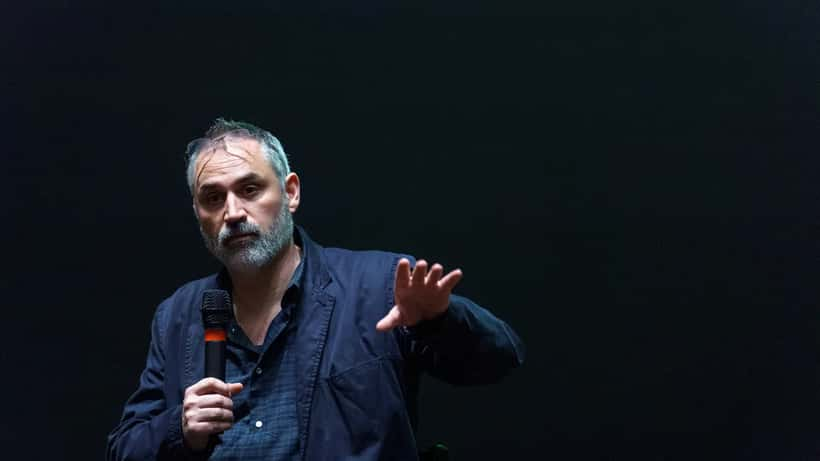
Zendaya will star in an untitled science-fiction film from writer-director Alex Garland at A24, with production slated to begin in 2027, according to reports published on October 15, 2026. The project is being kept under wraps, which means that hundreds of freelancers, vendors and crew members will soon be asked to sign confidentiality paperwork before they learn anything about it.
What the announcement actually says
According to TheWrap, the film is Garland's next project after a busy stretch. It will shoot next year, and Zendaya chose it after appearing in two of 2026's biggest releases, "The Odyssey" and "Spider-Man: Brand New Day." Her next release is "Dune: Part Three," due December 18.
Garland is not short on work. TheWrap reports that his FromSoftware adaptation "Elden Ring" is in post-production with a March 3, 2028 release date, and that he is expected to juggle that film and the new sci-fi project at the same time. He also wrote the two recent "28 Years Later" films, and a third is reportedly on hold, partly because of his schedule.
None of the plot, title or budget has been disclosed. That secrecy is the part of this story that touches ordinary people, because secrecy on a modern film set is enforced through contracts.
Why secret productions run on paperwork
High-profile productions routinely ask everyone who touches the project to sign a nondisclosure agreement: caterers, set carpenters, location owners, software contractors, even the neighbors of a shooting location. The agreement usually defines "confidential information" broadly, covers photos and social media posts, and sets a penalty for breach.
Attorneys who handle entertainment contracts point to a few clauses that deserve a careful read before signing:
- Scope. Does the NDA cover only the script and plot, or also the identity of the cast, filming locations and your own work product?
- Duration. A term of two years is common. Some agreements run indefinitely, which is much harder to defend.
- Remedies. Look for liquidated damages, which is a fixed dollar amount you owe per breach, and for fee-shifting language that makes you pay the other side's legal costs.
- Ownership. Many freelance agreements contain "work made for hire" or assignment language that transfers your creative output to the production company.
The last point is often the surprise. Under U.S. copyright law, a commissioned work can be treated as made for hire only in specific circumstances, and an assignment clause can accomplish a similar result by contract. The U.S. Copyright Office explains the basics of authorship and ownership at copyright.gov.
A concrete case: the freelance concept artist
Consider a hypothetical freelance concept artist, call her Dana, who is hired through a staffing agency for a three-week job on a large sci-fi shoot in 2027. She is paid $4,500 flat for the three weeks, and she receives a five-page NDA the night before her first day.
The NDA sets liquidated damages of $50,000 per breach, runs for five years, and says that all sketches she produces become the property of the production company, including any she made on her own time that "relate to" the project.
Here is how the if/then logic plays out:
- If Dana posts a casual photo of her workstation with a prop visible in the background, then the production could claim a breach and demand the $50,000, which is more than ten times her fee.
- If Dana had a personal portfolio piece in progress before she was hired, and the "relate to" language is read broadly, then the company could argue it owns that work too. Negotiating a short carve-out for pre-existing work, listed by title before signing, closes that gap.
- If she asks for the liquidated damages figure to be capped at her fee, or for the term to drop from five years to two, then she is asking for a change that productions often accept for lower-level vendors, though there is no guarantee.
The numbers are illustrative, not drawn from any real contract. The point is the ratio: a $4,500 job can carry a five-figure exposure, and the cost of a one-hour contract review is a small fraction of that.
When a lawyer is worth it
Not every NDA needs a lawyer. A one-page agreement with a short term, a narrow definition of confidential information and no liquidated damages is routine. A lawyer becomes valuable when:
- The agreement assigns ownership of your creative work.
- The penalty is large relative to your pay.
- The term has no end date.
- The confidentiality language could be read to stop you from reporting unsafe working conditions, harassment or wage problems to a government agency. Provisions that try to do that can be unenforceable in some situations, and a lawyer can tell you where your state draws the line.
Entertainment and intellectual property attorneys can usually review a document like this quickly, and many freelancers pay for a flat-fee review rather than hourly work.
What the Garland announcement means for people outside Hollywood
You do not have to work in film to be affected by this kind of paperwork. The same structure appears when a startup hires a contractor, when a developer shares a prototype, or when a homeowner lets a production use a property. Homeowners offered location fees are often given an NDA covering the production's plans, and the fee may be small compared with the damages clause.
Fans and amateur filmmakers face a related issue. Posting leaked set photos can trigger takedown demands, and sharing a script you were never meant to see can create legal problems of its own. A good rule of thumb: if you did not sign an NDA, you generally are not bound by one, but you can still run into copyright and trade-secret issues if you republish protected material.
Timing matters too. Productions announce a star first and hire the bulk of the crew months later, so the paperwork wave for a 2027 shoot is likely to arrive in the first half of next year. Freelancers who start asking questions now, such as who the contracting entity is and whether it is an LLC created just for this film, will be better prepared when an agreement lands in their inbox.
Practical steps before you sign
- Ask for the document early. Receiving an NDA the night before work starts is a pressure tactic, intended or not. Request it a few days ahead.
- Highlight the dollar figures. Compare any penalty with your total pay.
- List your pre-existing work. Attach a short schedule of projects that are yours and are not covered.
- Keep a copy. Store the signed agreement and every email that changes its terms.
- Do not rely on verbal assurances. If a coordinator says "nobody enforces that part," get the change in writing.
Getting a professional opinion
Garland's next film will bring work to crews, vendors and local businesses in 2027, and many of them will sign agreements they only skim. An hour with a qualified attorney before signing is cheap compared with a dispute afterward.
If you have been handed a confidentiality or work-for-hire agreement and are unsure what it means, you can connect with a vetted lawyer through ExpertZoom's Lawyers category to review the terms before you commit.
This article is general information based on news reports and is not legal advice. Contract rules vary by state and by the specific wording of an agreement, so consult a licensed attorney about your situation.
