 David Miller
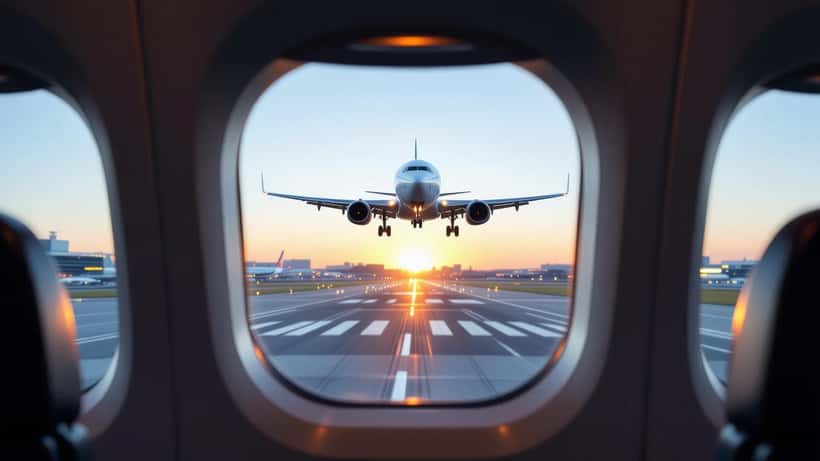
A shaky clip recorded from the window of an Air Canada flight arriving in Montreal has racked up millions of views in early 2026. The video appears to show a hard touchdown, a brief bounce, and the aircraft settling onto the runway with its spoilers deploying late. Within hours, aviation forums, local news crews, and travel influencers were dissecting every frame. For passengers, the takeaway is simple: the landing looked dramatic, but everyone walked away. For aviation experts, the incident is a textbook example of why context matters when a routine event is filmed from a single angle.
The Montreal landing video surfaced on a Monday morning after a scheduled Air Canada flight from a European hub touched down at Montréal-Pierre Elliott Trudeau International Airport. According to passenger accounts, the aircraft encountered a gusty crosswind on short final. The captain appeared to correct just before touchdown, resulting in a firm landing that some viewers described as a "near miss." The airline confirmed the flight landed safely, no injuries were reported, and the aircraft was inspected before returning to service.
Aviation safety analysts caution that social media often rewards drama over data. A firm landing in a crosswind is not inherently unsafe; in fact, pilots are trained to put the aircraft on the ground decisively when wind shear or gusts are present. The bounce seen in the video can occur when the main gear touches down while the aircraft is still in a slight crab angle. What looks alarming from row 22 can be a controlled, within-limits maneuver from the flight deck.
That said, the Montreal clip has reignited a broader conversation about passenger rights, airline transparency, and when travelers should seek expert advice after a rough flight. If you were on a flight that experienced a hard landing, an aborted takeoff, or an unexpected go-around, you may wonder whether you have a claim for compensation, medical evaluation, or reimbursement for expenses. The answer depends on the jurisdiction, the carrier, and whether the event crossed the line from routine turbulence into an incident report.
In Canada, the Canadian Transportation Agency sets out air passenger protection rules, but exemptions exist for safety-related disruptions. A hard landing that the airline classifies as a normal operational event may not trigger compensation. However, if the Transportation Safety Board opens an investigation, or if injuries occurred, the legal landscape changes. This is where an aviation lawyer or passenger-rights consultant can help interpret the carrier's reports, the flight data, and the applicable regulations.
The same logic applies to crew members and aviation professionals. A flight attendant who was injured during an unusual landing, or a pilot involved in an event that triggers a company safety review, may need independent legal or medical advice. The airline's interests and the individual's interests are not always identical. An expert who understands Canadian aviation law, Transport Canada procedures, and union agreements can provide a clearer picture of options and obligations.
For travelers watching the Montreal video from afar, the incident is also a reminder to document your experience carefully. If you believe a landing or in-flight event caused injury or distress, note the flight number, seat location, time, and any announcements made by the crew. Request a copy of the cabin report if you can, and keep records of any medical visits or out-of-pocket costs. This documentation becomes essential if you later need to file a claim or consult a specialist.
The Air Canada clip also highlights the role of digital evidence in modern aviation investigations. Videos captured by passengers can be valuable to investigators, but they can also be misleading. A single smartphone camera captures only one perspective, often with rolling-shutter distortion and no instrument data. That is why the Transportation Safety Board and similar agencies rely on flight recorders, radar tracks, weather reports, and crew interviews before drawing conclusions. If you record an incident, share it with authorities rather than speculating publicly, and be aware that posting it online can complicate potential legal proceedings.
Beyond the immediate incident, the 2026 Montreal landing video is part of a larger trend: travelers are now both witnesses and publishers of aviation events. Airlines and regulators have adapted by monitoring social media for safety signals, but they also face pressure to respond quickly to clips that may not tell the full story. For passengers, the best response is to stay informed, know your rights, and consult an expert when the stakes are high.
If you were on the flight, or if you are dealing with the aftermath of a rough landing anywhere in North America, consider speaking with an aviation attorney or passenger-rights professional. They can review whether the event was reportable, whether compensation rules apply, and whether your medical concerns should be documented with the carrier or a regulator. In high-stakes situations, a second opinion from someone outside the airline can make the difference between a dismissed complaint and a properly resolved claim.
The Montreal video will likely fade from the trending list within days, but the questions it raises about aviation safety, passenger rights, and expert accountability will remain. Whether you are a frequent flyer, an aviation worker, or simply a curious viewer, the lesson is the same: not every dramatic-looking landing is an emergency, and not every routine landing is without consequence. When in doubt, get expert advice before you sign anything, waive any rights, or assume the airline's explanation is the final word.
