 Emily Wang
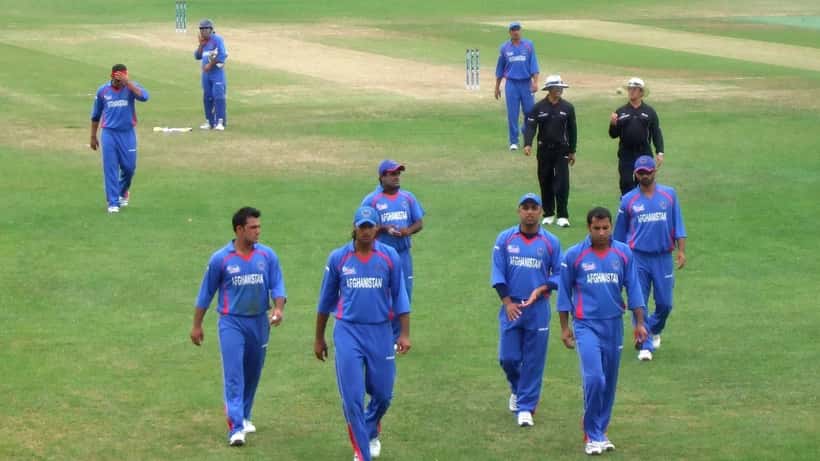
India crushed Afghanistan by seven wickets in the second T20I of the 2026 Friendship Cup on September 16, with Sanju Samson blasting 57 runs off just 22 balls at Arun Jaitley Stadium in New Delhi. While fans in Delhi celebrate and analysts dissect India's batting depth, Afghanistan's cricket stars are quietly facing a different kind of boundary: getting into the United States. As Major League Cricket (MLC) grows into one of the world's most lucrative T20 leagues, Afghan players are increasingly in demand from US franchises — but America's visa landscape for Afghan nationals has never been more restrictive, and most teams have no idea how the exemptions actually work.
The 2026 Visa Freeze for Afghan Nationals
Since early 2026, Afghan nationals face near-total suspension of US visa issuance. Under the current executive immigration proclamation, visa applications from Afghan passport holders have been effectively frozen — unless the applicant already held a valid US visa issued before January 1, 2026. The policy reflects the broader breakdown in US-Afghanistan diplomatic relations following the Taliban's takeover, and it carries direct consequences for cricket.
During MLC's 2025 season, multiple Afghan internationals were caught in exactly this bureaucratic standoff. Gulbadin Naib and Fazalhaq Farooqi — both signed by the Seattle Orcas — were reportedly awaiting visa approvals before the season's opening matches. With MLC expanding its global player roster in 2026, the same question applies to a growing number of Afghan talents: can they actually get to the United States in time?
The stakes are significant. Afghan cricketers — especially T20 specialists like Rashid Khan, Noor Ahmad, and Mujeeb Ur Rahman — command high franchise fees in leagues worldwide. MLC teams have made Afghan players a core part of their recruiting strategy. A contract without a visa is just paper.
Why Athletes Have a Different Legal Standing
Here is the detail many Afghan cricketers — and their US-based franchises — may not fully understand: athletes hold a narrow but legally real exemption from the general Afghan visa restrictions. The US government has maintained specific non-immigrant visa categories for internationally recognized performers and athletes that operate outside the blanket restrictions applied to regular Afghan travelers.
Two pathways are especially relevant for elite cricketers:
O-1B visa — for individuals with extraordinary ability in athletics. This is the primary route for Afghan cricket internationals with documented global careers. USCIS requires evidence of sustained national or international acclaim: media coverage, awards, franchise contracts, ICC rankings, and comparable compensation to top-tier peers.
P-1A visa — for internationally recognized athletes competing with a US sports organization. MLC franchises qualify as US sports organizations for this purpose, and the P-1A is typically faster to process than the O-1B for team-sport athletes.
Both categories require the US employer — the MLC franchise — to file a petition before the player can even apply for a visa stamp at a consulate. The official USCIS O-1 visa page outlines the full evidentiary requirements. An immigration attorney specializing in athlete visas structures the petition to match what USCIS adjudicators actually approve — and USCIS adjudicators, in many cases, have never watched a cricket match.
You can also see how similar international athlete visa challenges have played out in other cricket contexts in this analysis of cricket eligibility and nationality law for players competing in the US.
What Afghan Players Must Demonstrate Under US Law
To qualify for an O-1B visa, an Afghan cricket player must meet at least three of the following evidence criteria:
- Receipt of nationally or internationally recognized awards or prizes in cricket
- Membership in cricket associations requiring outstanding achievement (ICC-recognized national teams qualify)
- Published material about the player in major trade publications or mainstream media
- Participation as a judge of work of others in the sport (captaincy, coaching roles count)
- Evidence of commanding a high salary or fee relative to peers in global T20 cricket
- A leading or critical role with a distinguished organization — IPL franchise, international board
For Rashid Khan — an ICC T20 rankings mainstay and IPL cornerstone — meeting three criteria is straightforward. For a younger domestic player with fewer than 30 international caps, the evidentiary case requires more careful assembly and a lawyer who can present lesser-known accomplishments in a compelling legal framework.
There is also a significant logistical layer: because there is no functional US Embassy in Afghanistan, Afghan players cannot apply for a US visa from inside the country. Applications must be submitted from a third country — typically the United Arab Emirates, where the Afghanistan Cricket Board frequently operates, or India, which provides consular access for Afghan nationals.
The Concrete Case: One Player, One Contract, One Visa Journey
Consider this specific scenario: An Afghan off-spin bowler, age 26, with 45 international T20I caps and a current ranking in the ICC's top 60 T20I bowlers globally, has been offered a contract by an MLC franchise for the 2026 summer season starting July 10. He holds an Afghan passport and no prior valid US visa.
Timeline and costs under best-case conditions:
- February 15: MLC franchise engages a US immigration attorney to prepare the O-1B petition. Attorney fee range: $3,500–$6,000 for athlete O-1B preparation, depending on the complexity of the evidence package.
- March 5: I-129 petition filed with USCIS. Premium processing fee: $2,805. Under premium processing, USCIS must act within 15 business days.
- March 26: USCIS approves the petition. Critically, this approval notice does not allow the player to enter the US — it only authorizes the next step.
- April 1: Player travels to Abu Dhabi to apply for the actual visa stamp at the US Embassy. Current non-immigrant visa appointment wait times in Abu Dhabi: 3–8 weeks as of mid-2026, per State Department data.
- May 10: Visa interview conducted. Afghan passport holders are subject to mandatory additional administrative security screening, which can add 2–12 weeks to the timeline with no guaranteed resolution date.
- June 25: Visa issued — 15 days before the MLC season opens. This is the best-case outcome.
If the franchise does not file the I-129 petition by late February at the absolute latest for a July start, the probability of the player arriving on time drops sharply. In a realistic scenario with delays, the player misses the first three weeks of the season. In a worst-case administrative processing scenario, he misses the season entirely.
Total cost in the best-case path: approximately $8,000–$12,000 per player, including attorney fees, USCIS filing fees, travel for the consular appointment, and incidental documentation costs. For a franchise that has invested six figures in a player contract, this is a predictable and manageable expense — but only if the process starts on time.
Why the IND vs AFG Series Makes This Urgent Right Now
India leads Afghanistan 2-0 in the 2026 Friendship Cup, with the third and final T20I still to come. Every Afghan bowler who claims an Indian wicket in front of a packed Delhi crowd, every Afghan batter who builds an innings against India's pace attack — they become more valuable on the global franchise market.
Franchise scouts watch these matches closely. Strong performances in high-profile India series generate exactly the kind of "published material in major media" that strengthens an O-1B visa petition. The T20I series happening now, in September 2026, is directly influencing which Afghan players will receive MLC contract offers — and which contracts will trigger the visa process described above.
For Afghan cricket, IND vs AFG is not only a sporting contest. For some players, it is an audition that leads directly to a US visa petition filed in the winter.
What Afghan Cricketers and MLC Teams Should Do Now
For Afghan players with any interest in US leagues: Start the visa eligibility assessment now — before any contract offer arrives. An immigration attorney can review your international record, media presence, and franchise history to determine which visa category fits and what additional documentation you need. Building this evidence package takes time.
For MLC teams recruiting Afghan players: Do not wait until a player signs to begin the visa process. File the employer petition as early as possible — ideally five to six months before the required arrival date. Work with immigration lawyers who have specific athlete visa experience and understand the difference between cricket franchise structures and traditional team sports contracts.
ExpertZoom connects athletes and sports organizations with vetted US immigration attorneys who specialize in international athlete visas. The O-1B and P-1A pathways for Afghan cricketers are navigable — but they require the right legal expertise to execute before the season deadline arrives.
Disclaimer: This article is for general informational purposes only and does not constitute legal advice. US immigration law changes frequently. Consult a licensed US immigration attorney for guidance specific to your situation.
