
 Emily Turner
What exactly is "alternative medicine" — and does it actually work? These two questions are asked by millions of Americans every year, and the answers are more nuanced than a simple yes or no. Alternative medicine is a broad term covering health practices outside conventional Western medicine. Some are backed by robust clinical evidence; others are not. Understanding the difference is what this guide is for.
Alternative medicine — also called complementary and integrative medicine (CIM) — encompasses acupuncture, chiropractic care, naturopathy, herbal medicine, homeopathy, Ayurveda, Traditional Chinese Medicine (TCM), energy healing, and dozens of other modalities. The National Center for Complementary and Integrative Health (NCCIH) at the US National Institutes of Health (NIH) estimates that 38 % of Americans use some form of complementary or alternative medicine [NCCIH, 2024].
What Is Alternative Medicine, and How Is It Different from Conventional Medicine?
Alternative medicine refers to health practices used in place of — or alongside — conventional biomedical treatment. When used alongside conventional treatment, it is more precisely called "complementary medicine." When used in place of conventional treatment, it is "alternative." The term "integrative medicine" refers to combining both approaches in a coordinated, evidence-informed way.
Conventional Western medicine is characterized by randomized controlled trials (RCTs), pharmaceutical interventions, surgical procedures, and diagnostic technologies validated through peer-reviewed research. Alternative medicine traditions vary widely in their empirical foundations: some (like acupuncture for chronic pain) have been studied in large clinical trials; others (like homeopathy) lack plausible biological mechanisms and have not been shown to outperform placebo in rigorous trials [Cochrane Review, 2015].
The Key Question: Evidence or Plausibility?
The relevant question when evaluating any alternative medicine practice is not "Is it natural?" or "Has it been used for centuries?" The relevant question is: "What does the clinical evidence show, at what quality of evidence, and for what specific conditions?"
Some examples:
- Acupuncture: Strong evidence for chronic low back pain and migraines [NCCIH, 2024]
- Chiropractic care: Moderate evidence for non-specific low back pain
- Herbal medicine (St. John's Wort): Good evidence for mild-to-moderate depression [Cochrane, 2023]
- Homeopathy: No reliable evidence beyond placebo for any specific condition [Australian National Health and Medical Research Council, 2015]
- Aromatherapy: Limited evidence for anxiety reduction, mood support
This spectrum of evidence is why lumping all alternative medicine practices under one label — either "it all works" or "it's all quackery" — misses the nuance essential to making informed health decisions.
Who Uses Alternative Medicine in the United States?
Alternative medicine use in the US is widespread across demographics. According to the most recent comprehensive survey by the NCCIH, 38 % of adults and 12 % of children use some form of complementary or alternative practice [NCCIH National Health Interview Survey, 2024].
The most commonly used practices are:
- Natural products (herbal supplements, vitamins, minerals): used by 17.7 % of Americans
- Mind-body practices (yoga, meditation, guided imagery): used by 17.4 %
- Chiropractic or osteopathic manipulation: used by 8.4 %
- Massage therapy: used by 6.9 %
- Acupuncture: used by 3.9 %
Source: NCCIH National Health Interview Survey, 2024
Women use alternative medicine more frequently than men (42 % vs. 34 %), and people with higher education and income levels report higher rates of use. The most common reasons cited for using alternative medicine are: improved overall wellness (77 %), prevention (42 %), to treat a specific health condition (38 %), and because conventional medicine was not helping (15 %) [NCCIH, 2024].
Does Acupuncture Work? What the Research Shows
Acupuncture is one of the most studied alternative medicine practices. It is a key element of Traditional Chinese Medicine (TCM), based on the principle that vital energy (Qi, pronounced "chee") flows through pathways (meridians) in the body. Conventional medicine does not validate meridian theory, but this does not mean acupuncture produces no measurable effects.
The clinical evidence for acupuncture is strongest for:
- Chronic low back pain: A 2018 meta-analysis of 39 randomized trials found acupuncture significantly more effective than sham (fake) acupuncture and no treatment for chronic low back pain [Acupuncture Trialists' Collaboration, JAMA Internal Medicine, 2018]
- Migraine prevention: The European Academy of Neurology recommends acupuncture as a preventive treatment for migraines, with efficacy comparable to pharmacological prophylaxis [EAN guidelines, 2022]
- Osteoarthritis of the knee: NCCIH-funded trials show clinically meaningful pain reduction in knee osteoarthritis
- Chemotherapy-induced nausea: Some evidence supports acupuncture for managing nausea during cancer treatment
"Acupuncture is one of the better-studied alternative therapies we have. The evidence supports its use for specific musculoskeletal and pain conditions, and the safety profile is excellent when performed by trained practitioners," says Dr. James Liu, integrative medicine physician at the Cleveland Clinic Center for Integrative Medicine.
What acupuncture does NOT have strong evidence for: curing cancer, reversing major organ disease, or replacing pharmaceutical treatment for serious medical conditions. Claims beyond its evidence base are a red flag.
À retenir : Always verify that your acupuncturist is licensed. In the US, licensure requires passage of the NCCAOM (National Certification Commission for Acupuncture and Oriental Medicine) examinations. You can verify credentials at nccaom.org.
What Is Naturopathy and Is It Safe?
Naturopathy — or naturopathic medicine — is a system of healthcare that emphasizes the body's inherent ability to heal, using natural treatments including nutrition, herbal medicine, homeopathy, physical therapies, and lifestyle counseling. Naturopathic doctors (NDs) in the US complete a four-year postgraduate program at an accredited naturopathic medical school.
Naturopathy is licensed in 22 US states and 5 Canadian provinces. The scope of practice varies by jurisdiction: in some states, NDs can prescribe medications and perform minor surgeries; in others, their scope is limited to non-invasive treatments.
What Naturopathy Is Good At
Naturopathy tends to be most effective for:
- Chronic conditions where lifestyle factors play a major role (type 2 diabetes, hypertension, digestive disorders)
- Prevention and wellness optimization (nutrition, stress reduction, sleep hygiene)
- Patients who feel conventional medicine has not addressed the root cause of their symptoms
Where Naturopathy Has Limitations
Naturopathy's inclusion of homeopathy in many practices is a significant concern. Homeopathy — based on the idea that water retains a "memory" of substances diluted beyond any detectable molecule — has been evaluated in over 1,800 studies and shows no reliable effect beyond placebo [Australian NHMRC, 2015]. If a naturopathic practitioner relies heavily on homeopathy or dismisses conventional treatment for serious conditions, that is a warning sign.
Before choosing a naturopath, ask: "Do you work alongside conventional physicians?" and "What is your position on childhood vaccination?" Responsible naturopaths support evidence-based practices even when they extend beyond the naturopathic tradition.
You can find qualified health practitioners who offer integrative approaches via platforms like Expert Zoom health consultations — which connects patients with vetted practitioners across specialties.
When Should You Consider Alternative Medicine? A Practical Framework
Alternative medicine is not an all-or-nothing choice. Most Americans who use it do so as a complement to, not a replacement for, conventional care. Here is a practical framework for deciding when it might be appropriate.
Situations Where Alternative Medicine Has a Strong Role
Chronic pain management: Chronic low back pain, neck pain, arthritis, and fibromyalgia are areas where acupuncture, chiropractic care, and mind-body practices have the strongest evidence base and can reduce reliance on opioid or NSAID medications.
Mental health support: Meditation, yoga, and mindfulness-based stress reduction (MBSR) have strong evidence for reducing anxiety, depression symptoms, and chronic stress. The American Psychological Association (APA) includes MBSR among its recommended adjunct therapies for anxiety disorders [APA, 2022].
Lifestyle-driven chronic disease: Naturopathic nutrition counseling, herbal medicine, and lifestyle interventions have demonstrated benefit for improving metabolic markers in type 2 diabetes, hypertension, and obesity — especially when integrated with conventional medical supervision.
Cancer care support: Many major cancer centers — including Memorial Sloan Kettering, MD Anderson, and Mayo Clinic — now offer integrative oncology programs that use acupuncture, massage, yoga, and nutritional support to manage chemotherapy side effects and improve quality of life. These are complementary to, not replacements for, oncology treatment.
When to Be Cautious or Avoid Alternative Medicine
- Acute conditions requiring urgent care: Appendicitis, heart attack, stroke, severe infections, or broken bones require emergency conventional treatment. Delaying to try alternative approaches first can be life-threatening.
- Serious chronic conditions without physician supervision: Never stop prescribed medications (for diabetes, epilepsy, cardiovascular conditions, psychiatric disorders) based on alternative medicine advice without consulting your physician.
- Unproven cancer "cures": No alternative medicine practice has been shown to cure cancer. Fraudulent claims in this area can lead patients to delay evidence-based treatment with fatal consequences.
- Practitioners who dismiss conventional medicine entirely: A qualified integrative practitioner works alongside your primary care physician, not in opposition to them.
À retenir : The safest approach is to inform all your healthcare providers about every treatment you are using — both conventional and alternative. Some herbal supplements (St. John's Wort, ginkgo biloba, garlic) interact with prescription medications, including blood thinners, antidepressants, and immunosuppressants.
Traditional Chinese Medicine (TCM): More Than Acupuncture
Traditional Chinese Medicine is a comprehensive medical system developed over 2,500 years in China, encompassing acupuncture, herbal medicine, dietary therapy, tuina massage, qi gong, and tai chi. It operates on different theoretical frameworks than Western medicine — including concepts of Qi (vital energy), Yin and Yang (opposing forces), and the Five Elements theory — that do not map directly to biomedical models.
In the US, TCM is practiced by licensed acupuncturists, some of whom also specialize in Chinese herbal medicine. The market for TCM in North America was valued at approximately $5.2 billion in 2024 and is projected to grow at 6.8 % annually through 2030 [Grand View Research, 2024].
TCM Practices With Evidence Support
| Practice | Evidence Level | Best Applications |
|---|---|---|
| Acupuncture | High (multiple RCTs) | Chronic pain, migraines, chemotherapy nausea |
| Tai Chi | Moderate | Balance, fall prevention in elderly, mild depression |
| Qi Gong | Moderate | Stress reduction, blood pressure management |
| Chinese herbal medicine | Variable by herb | Digestive conditions, menopausal symptoms |
| Tuina massage | Limited | Musculoskeletal conditions |
Safety Considerations for Chinese Herbal Medicine
Chinese herbal preparations can contain active pharmacological compounds that interact with prescription medications. Some traditional formulas have been found to contain heavy metals (lead, mercury, arsenic) at levels exceeding FDA safety thresholds. Always purchase Chinese herbal products from reputable suppliers who provide certificates of analysis for heavy metal testing. Consult a licensed practitioner — not just a supplement store — before starting a Chinese herbal protocol.
TCM practitioners in the US operate under state licensing boards. Verify credentials through your state's Board of Medicine or the NCCAOM directory before beginning treatment.
Herbal Medicine and Dietary Supplements: What the Science Says
Herbal medicine — the use of plant-derived compounds for health purposes — is the most widely used form of alternative medicine globally. In the US, the herbal supplement industry generated $10.8 billion in sales in 2024 [American Botanical Council, 2024]. Unlike pharmaceutical drugs, dietary supplements are not required to demonstrate safety or efficacy before being sold, under the Dietary Supplement Health and Education Act (DSHEA) of 1994.
This regulatory gap means the quality, purity, and efficacy of supplements vary dramatically. A 2023 study published in JAMA found that 35 % of supplement products tested did not match the ingredients or doses stated on the label [JAMA, 2023].
Herbal Supplements With the Strongest Evidence
- St. John's Wort (Hypericum perforatum): Effective for mild-to-moderate depression; comparable to low-dose SSRIs in some trials [Cochrane, 2023]. Warning: significant interactions with antidepressants, birth control, and HIV medications.
- Valerian root: Modest evidence for improving sleep quality in some populations [NIH Office of Dietary Supplements, 2023].
- Ginger: Strong evidence for nausea (pregnancy-related nausea, chemotherapy-induced nausea) [Cochrane, 2014 review updated 2023].
- Turmeric/Curcumin: Promising anti-inflammatory effects in arthritis; bioavailability is low without black pepper extract (piperine) [Arthritis Foundation, 2024].
- Echinacea: Modest evidence for reducing duration (but not prevention) of common colds in some populations [NCCIH, 2023].
What to Look For When Buying Supplements
- Third-party testing certification (USP Verified, NSF Certified for Sport, or ConsumerLab.com tested)
- No claim of curing specific diseases on the label (illegal under DSHEA)
- Clear dosage information with established reference ranges
- Transparent ingredient sourcing from the manufacturer
Always inform your physician about every supplement you take. The assumption that "natural = safe" is false — some natural compounds are toxic at high doses, and many interact with prescription drugs.
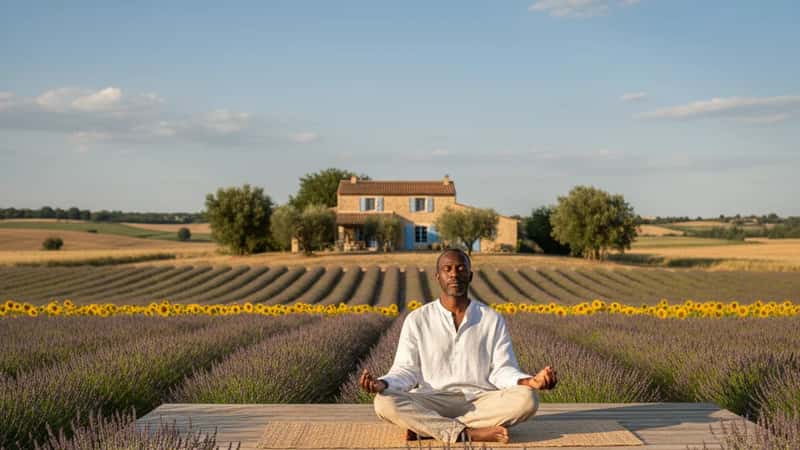
Mind-Body Practices: The Most Widely Accepted Alternative Approaches
Mind-body practices represent the area of alternative medicine with the broadest scientific acceptance. The connection between mental state and physical health — once considered fringe — is now a mainstream area of biomedical research.
Meditation and Mindfulness-Based Stress Reduction (MBSR)
Mindfulness-Based Stress Reduction (MBSR), developed by Dr. Jon Kabat-Zinn at the University of Massachusetts Medical School in 1979, is an 8-week structured program combining mindfulness meditation, body scanning, and gentle yoga. It has been studied in hundreds of randomized controlled trials.
Evidence supports MBSR for:
- Anxiety disorders and depression (effect size comparable to antidepressants in some populations) [JAMA Internal Medicine, 2014 meta-analysis]
- Chronic pain reduction (28 % reduction in pain severity on average) [NCCIH, 2023]
- Blood pressure reduction in hypertensive patients (4–5 mmHg systolic reduction on average)
- Improved quality of life in cancer patients during and after treatment
Yoga as Medicine
Yoga — in its clinical form — is not about flexibility or aesthetics. Therapeutic yoga targets specific physiological systems: the parasympathetic nervous system (rest-and-digest), cortisol regulation, and inflammatory markers. Research supports yoga for:
- Low back pain: ACP (American College of Physicians) includes yoga in its first-line treatment recommendations for chronic low back pain [ACP Clinical Practice Guidelines, 2022]
- Hypertension: Systematic reviews show yoga reduces systolic blood pressure by 4–7 mmHg
- Insomnia: Significant improvement in sleep quality in studies of 8-week yoga programs
The key is consistency. Single sessions produce relaxation responses; sustained practice over 8–12 weeks produces structural neurological changes. Choose yoga styles appropriate to your condition: gentle or restorative yoga for pain and stress, not hot yoga or vigorous vinyasa.
How to Find a Qualified Alternative Medicine Practitioner in the US
Finding a qualified practitioner is where most people make critical mistakes. Here is a step-by-step approach to identifying a legitimate, qualified provider.
Step 1: Identify the Right Credential for the Modality
Each alternative medicine practice has its own licensing body in the US:
- Acupuncture/TCM: NCCAOM (National Certification Commission for Acupuncture and Oriental Medicine)
- Chiropractic: National Board of Chiropractic Examiners (NBCE) — mandatory in all 50 states
- Naturopathic Medicine: NPLEX (Naturopathic Physicians Licensing Examinations) — licensed in 22 states
- Massage Therapy: NCBTMB (National Certification Board for Therapeutic Massage & Bodywork) or state-specific boards
- Homeopathy: No federal licensing — significant quality variation
Step 2: Verify Credentials and State Licensure
All licensed practitioners should be verifiable through their state licensing board. For acupuncturists, NCCAOM maintains a public directory. For chiropractors, the Federation of Chiropractic Licensing Boards (FCLB) maintains a national database.
Step 3: Ask the Right Questions at the First Consultation
- What is your training and how long have you practiced?
- Do you communicate with my primary care physician if needed?
- What is your approach if my condition requires conventional medical treatment?
- What outcomes can I realistically expect, and by when?
- What are the risks of the treatment you are recommending?
A practitioner who cannot answer questions 3 and 4 clearly is a concern. Integrative medicine is collaborative — not oppositional to conventional care.
Medical Disclaimer: The information in this article is for educational purposes only and does not constitute medical advice. Always consult a licensed physician before starting or stopping any treatment — conventional or alternative. Do not delay seeking emergency care based on information in this article.
FAQ: Common Questions About Alternative Medicine
Is alternative medicine covered by health insurance in the US? Coverage varies by state and plan. Acupuncture is covered by most major insurers for specific conditions (especially chronic low back pain) following updated ACA guidelines. Chiropractic care is covered by Medicare Part B for subluxation treatment. Naturopathic services are covered in states where NDs are licensed (Arizona, Connecticut, Hawaii, Oregon, Vermont, Washington, and others). Always call your insurer before your first appointment.
Can I use alternative medicine if I am pregnant? Some practices are generally safe in pregnancy — yoga, prenatal massage, and ginger for nausea. Others require caution or are contraindicated: certain herbal supplements, deep abdominal massage, and some acupuncture points. Always disclose your pregnancy to any practitioner before beginning treatment, and consult your OB-GYN first.
Can children use alternative medicine? Children require additional caution. Some herbal supplements are not safe for children at adult doses, and clinical trials in pediatric populations are limited. The American Academy of Pediatrics (AAP) supports evidence-based integrative approaches (like yoga and mindfulness for anxiety) but cautions against unproven treatments, especially for serious conditions [AAP Policy Statement, 2023].
What is the difference between alternative medicine and integrative medicine? Alternative medicine describes practices used instead of conventional medicine. Integrative medicine describes combining conventional and evidence-based alternative practices in a coordinated treatment plan. Most academic medical centers now prefer "integrative medicine" as the framework, as it implies both selectivity and coordination rather than wholesale replacement of conventional care.
How do I know if a practitioner is making false claims? Red flags: promises to cure chronic or terminal disease, dismissal of conventional medicine, claims that one therapy treats all conditions, pressure to purchase expensive supplements exclusive to their practice, resistance to sharing information with your primary care doctor. Legitimate practitioners welcome collaboration with your medical team.