
 Michael Davies
Hiring an electrician in Iceland involves more than picking a name from a directory. The country's strict licensing system, overseen by Mannvirkjastofnun (the Housing and Construction Authority), means every contractor must hold formal authorisation before touching a single wire. With average hourly rates around 4,885 ISK [SalaryExpert, 2026] and regulatory requirements that differ from most of Europe, knowing the process saves both money and headaches. Here is a step-by-step approach to finding, vetting, and working with a qualified electrician in Iceland.
Step 1: Understand Iceland's Electrical Licensing System
Every electrician working in Iceland must hold authorisation from Mannvirkjastofnun, the national authority responsible for electrical safety across the country. This is not optional — unlicensed electrical work is illegal and voids insurance coverage on your property.
The licensing pathway requires a journeyman's certificate followed by a master electrician examination from a recognised trade school, plus a minimum of two years of hands-on experience in low-voltage or high-voltage installations [RAFMENNT, 2026]. Foreign electricians from EEA countries must have their vocational qualifications recognised through Fræðsluskrifstofa rafiðnaðarins (the Electrical Trade Education Office) before they can work legally.
Key takeaway: Always ask to see a contractor's Mannvirkjastofnun authorisation number before any work begins. A legitimate electrician carries this documentation and will share it without hesitation.
Step 2: Identify the Type of Electrical Work You Need
Residential electrical work in Iceland falls into distinct categories, each requiring different electrician expertise levels and price brackets. Defining your project scope before contacting an electrician prevents mismatched quotes and wasted time.
Common Residential Electrical Projects
| Project Type | Typical Scope | Urgency Level |
|---|---|---|
| New installation (nýlagnir) | Full wiring for new builds or extensions | Planned |
| Renovation rewiring | Upgrading older aluminium wiring to copper | Planned |
| Fault diagnosis | Tripping breakers, flickering lights, burning smell | Urgent |
| EV charger installation | Dedicated 32A or 63A circuit for home charging | Planned |
| Outdoor lighting | Weatherproof circuits for gardens and driveways | Planned |
| Panel upgrade | Replacing fuse box with modern circuit breaker panel | Planned |
Iceland's housing stock includes many older concrete buildings from the 1950s–1970s where original wiring may not meet current safety standards. If your home predates 1980, a full electrical inspection is a worthwhile investment before undertaking targeted repairs.

Step 3: Get Multiple Quotes and Compare Rates
The average gross hourly rate for an electrician in Iceland is approximately 4,885 ISK [SalaryExpert, 2026]. However, end-consumer pricing runs higher once overhead, materials, and VAT (24% standard rate) are factored in. Expect to pay between 8,000 ISK and 15,000 ISK per hour for residential work, depending on complexity and location.
Request at least three written quotes. Each quote should itemise labour hours, material costs, and VAT separately. Beware of flat-rate quotes that bundle everything — these make it difficult to compare like for like across contractors.
For projects outside the Greater Reykjavík Area, travel surcharges of 2,000–5,000 ISK are standard for contractors driving to rural locations.
Step 4: Verify Insurance and Safety Documentation
Mannvirkjastofnun requires every authorised electrical contractor to maintain a documented safety control system (öryggiskerfi) that ensures all work conforms to national electrical safety regulations [Mannvirkjastofnun, 2026]. This is your first line of defence against substandard work.
What to Ask Before Signing a Contract
- Authorisation number — confirm it is current on the Mannvirkjastofnun registry.
- Liability insurance — the contractor should carry professional indemnity insurance covering damage to your property during work.
- Safety control documentation — ask to see the öryggiskerfi certificate. Reputable contractors produce this without hesitation.
- Post-work inspection — for larger projects (full rewiring, panel upgrades), an independent inspection by a certified inspector provides an extra layer of assurance.
Jón, a homeowner in Akureyri, hired an electrician to install a heat pump circuit without verifying credentials. The wiring failed inspection six months later, costing an additional 280,000 ISK to redo. A two-minute verification call to Mannvirkjastofnun would have prevented the entire situation.
Step 5: Schedule Work and Prepare Your Home
Electricians in Iceland experience peak demand during two periods: autumn (September–November) when homeowners winterise properties before the dark months, and spring (April–May) when renovation season begins. Booking four to six weeks in advance during these windows avoids delays.
Before the electrician arrives, take these preparation steps:
- Clear access to the electrical panel (rafmagnstafla) and all areas where work will happen. Move furniture and stored items at least one metre from walls.
- Mark problem areas with tape or notes — flickering outlets, warm switches, or non-functioning circuits.
- Confirm power-down timing — the electrician will need to cut power to specific circuits. Plan around refrigeration, home offices, and medical equipment.
- Secure pets and children away from the work zone. Exposed wiring during installation poses genuine danger.
For apartment buildings in Reykjavík, notify your building manager (húsfélag) before any work that affects shared electrical infrastructure. Many buildings require written approval for panel upgrades or new circuit additions.
Step 6: Review the Finished Work and Request Documentation
Once the electrician completes the job, do not sign off until you have checked three things. First, test every new or modified circuit yourself — flip switches, plug in devices, and verify that GFCI outlets (varnarrofi) trip correctly when tested. Second, request a written completion report listing all work performed, materials used, and any deviations from the original quote. Third, obtain the updated electrical diagram (raflagnateikningar) if the panel was modified.
Key point: Icelandic law requires that all electrical installations comply with the current edition of Staðlar ÍST (Icelandic Standards), which are based on the European CENELEC standards. If your project involved significant rewiring, the contractor should arrange a formal inspection through an independent party.
Keep all documentation in a dedicated home file. When you sell your property, buyers and their inspectors will ask for proof that an authorised electrician performed the electrical work. Missing paperwork can reduce your property's assessed value or delay the sale entirely.
Disclaimer: The information in this article is provided for general guidance only and does not constitute professional advice. Always consult a licensed electrician for your specific situation. Electrical work carries inherent risks — never attempt DIY electrical repairs.
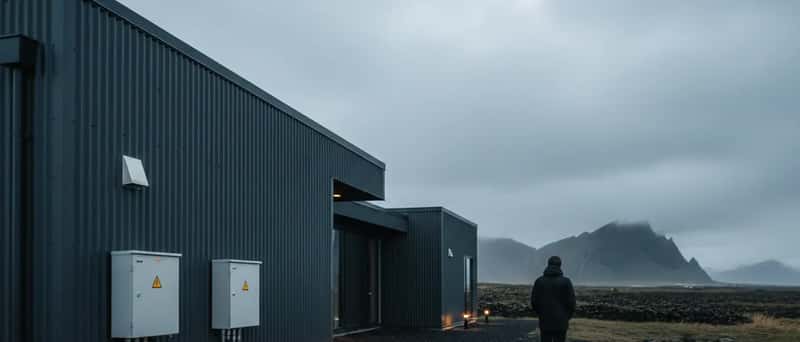
Iceland-Specific Electrical Considerations
Iceland's unique energy landscape shapes residential electrical work in ways that differ from mainland Europe. Nearly 100% of the country's electricity comes from renewable sources — hydropower and geothermal — making electricity prices among the lowest in Europe at approximately 14–18 ISK per kWh for households [Orkustofnun, 2025].
This affordable energy means Icelandic homes rely heavily on electric heating rather than gas or oil. Electrical panels in Icelandic homes often handle higher continuous loads than comparable European properties. When upgrading or renovating, ensure your panel's amperage rating accommodates both heating circuits and modern additions like EV chargers and heat pumps.
Iceland's harsh climate also demands attention to outdoor installations. Salt-laden coastal winds, freeze-thaw cycles, and prolonged darkness during winter all affect wiring longevity. Insist on IP65-rated or higher fittings for any exterior electrical work, and verify that outdoor circuits include residual current devices (varnarrofar) rated for the local conditions.