 Phoebe Wilson
The Day Man City Women Faced Two Competitive Matches in Hours
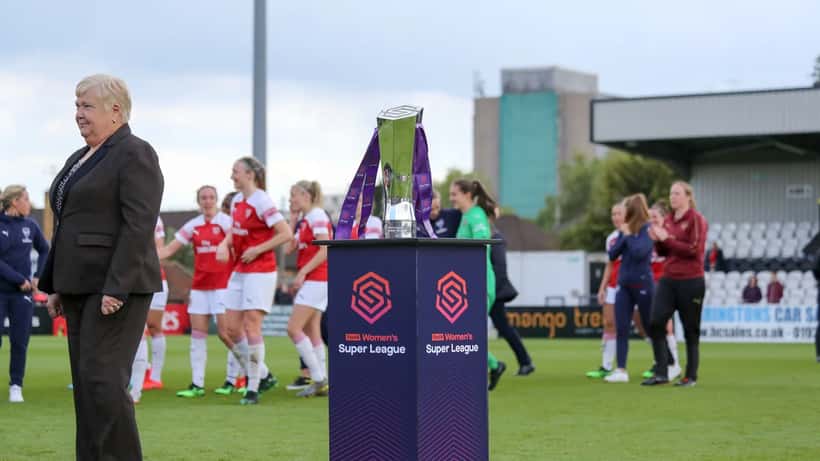
On 16 May 2026, Manchester City's women's team played a Women's Super League fixture against West Ham at the Chigwell Construction Stadium in east London. The match itself was significant for WSL standings. What made it medically remarkable was what came next: Manchester City Women were also scheduled to compete in the FA Cup Final just two hours later.
The scheduling collision — a WSL match and a cup final on the same calendar day with near-zero recovery time between them — reignited a debate that sports medicine doctors in the United Kingdom have been raising for years. How much is too much, and what happens to the human body when elite athletes are asked to compete in high-intensity sport with insufficient recovery?
What Sports Science Says About Recovery Between Matches
The minimum physiologically safe recovery window between competitive football matches has been studied extensively. The consensus among sports scientists and doctors is that elite players require a minimum of 48 to 72 hours between matches to return to peak physical capacity. This window allows for:
- Glycogen replenishment: Muscle energy stores (glycogen) are heavily depleted during 90 minutes of competitive football. Restoring them to safe levels takes at least 24-48 hours, even with optimal nutrition.
- Muscle microtrauma repair: Running, jumping, and tackling create microscopic tears in muscle fibres. These repair during rest. Interrupting that process increases injury risk.
- Neuromuscular recovery: The nervous system — not just the muscles — needs to recover. Neuromuscular fatigue, which affects reaction time and coordination, can persist for 24-36 hours after intense exercise.
Playing a second competitive match within two hours of the first is not physiologically in the same category as a normal compressed fixture. It is closer to what happens in emergency medical scenarios involving rhabdomyolysis — the breakdown of muscle tissue caused by extreme physical exertion — which in severe cases can damage the kidneys.
The Three Injury Risks That Spike With Compressed Fixtures
Sports medicine research consistently identifies three categories of injury that become significantly more likely when recovery time is shortened:
Soft tissue injuries: Hamstring strains, calf tears, and ankle ligament injuries occur most frequently during the later stages of matches and in subsequent fixtures after inadequate rest. Fatigued muscles cannot absorb load correctly, shifting stress onto tendons and ligaments.
Bone stress reactions: Repeated high-impact loading without rest causes cumulative stress in bones — particularly the tibia, metatarsals, and femur. Stress reactions, if ignored, can progress to stress fractures requiring weeks or months off the pitch.
Acute cardiac events: Intense exercise significantly elevates cardiac demand. Studies in sports cardiology show that the risk of a serious cardiac event — though still low in screened athletes — rises measurably when high-intensity exercise is undertaken in a physiologically compromised state.
For context on how similar injury risks play out in competitive football environments, read our analysis of the FA Cup semi-final injury risks at Wembley, which found that fatigue-related soft tissue injuries spike significantly in knockout competitions.
According to NHS guidance on sport and exercise safety, all athletes — from elite professionals to recreational players — should allow adequate recovery time between intense sessions. For high-impact team sports, this means at minimum 48 hours of light activity between competitive matches.
Why Governing Bodies and Clubs Share Responsibility
The situation in women's football reflects a broader structural tension. The Women's Super League has expanded rapidly, with greater prize money, broadcast deals, and European competition creating a more congested calendar. Clubs that reach both a domestic cup final and the final day of the league are rewarded commercially — but their players pay a physical price.
In English men's football, FIFA and UEFA's international match calendars have faced legal challenges from clubs citing player welfare. The Professional Footballers' Association (PFA) in the UK has been explicit in calling for minimum turnaround standards in the men's and women's game alike.
The question of legal liability is also live. If a player suffers a serious injury directly attributable to a scheduling decision — and medical evidence can demonstrate that the fixture congestion was the proximate cause — both the club and the governing body could face negligence claims. English courts have increasingly scrutinised employers' duty of care to professional athletes.
The Lesson for Amateur and Semi-Professional Players
The drama of elite football's scheduling does not stay in the professional game. Weekend warriors, park footballers, and amateur club players face similar pressures every season: midweek cup ties followed by Saturday league fixtures, or back-to-back tournaments on a single weekend.
At the amateur level, the consequences of ignoring recovery are equally real — and the support structures are far thinner. There is no physiotherapy team, no GPS monitoring, and no medical screening.
Signs that your body needs more recovery time before competing again include:
- Persistent muscle soreness that feels deeper than usual DOMS (delayed onset muscle soreness)
- Unusual fatigue or elevated resting heart rate
- Sleep disruption despite physical tiredness
- Joint stiffness that does not ease within 24 hours of activity
- Sharp or localised pain during warm-up
Any of these symptoms — particularly sharp, localised pain — should be evaluated by a sports doctor or physiotherapist before you return to competitive play. Continuing to play through soft tissue warning signs is the primary mechanism by which minor strains become significant injuries requiring surgery.
When to See a Sports Doctor or Physiotherapist
Whether you are a women's footballer playing twice in one afternoon, a semi-professional completing a compressed Easter schedule, or a 40-year-old five-a-side player who has overcommitted to the summer tournament circuit, the same principle applies: recovery is not optional, it is physiological necessity.
A sports medicine specialist can assess your individual recovery capacity, design a return-to-play protocol, and identify structural issues — such as a previous injury that has not fully healed — that may place you at elevated risk. One consultation before a demanding spell of fixtures can prevent months on the sideline.
The fixtures may keep coming. But your body will always have its own schedule.
This article provides general health information only. Always consult a qualified healthcare professional before returning to sport after injury or periods of intense physical exertion.
