 Rebecca Taylor
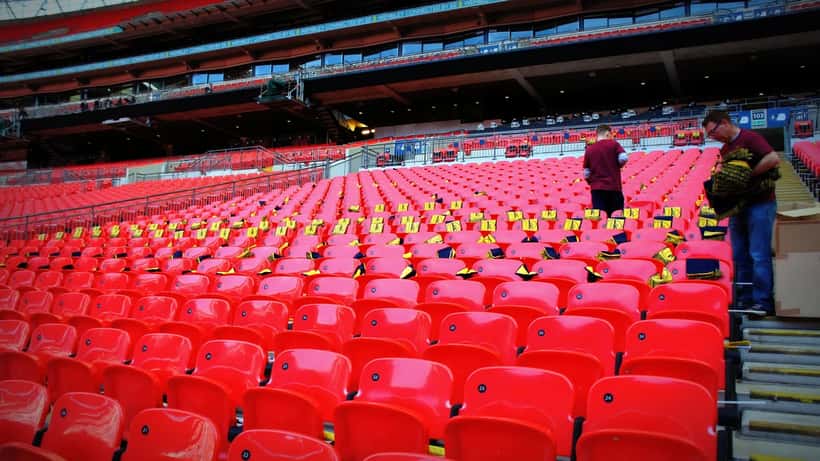
Manchester City will face Southampton, and Chelsea will take on Leeds United in the 2025–26 Emirates FA Cup semi-finals at Wembley Stadium on 25 and 26 April 2026. Drawn live on Sunday 5 April, the ties have ignited excitement across the country — but as millions of grassroots footballers watch and feel inspired, sports medicine specialists are raising a timely warning.
Why FA Cup Season Spikes Amateur Football Injuries
Every spring, as the professional game reaches its climax, amateur leagues across England also enter their most intense fixture period — cups, promotions, relegations. Pitches are worn, players are fatigued after a full season, and the excitement leads to higher intensity and looser decision-making on the field.
According to the Football Association's own injury data, the final months of the season — April and May — account for a disproportionate share of serious soft tissue injuries in grassroots football. The reason: cumulative fatigue combined with players pushing harder as the stakes rise.
Sports medicine consultants who work with amateur clubs see this pattern year after year. "The FA Cup on TV gets players fired up. They train harder, play more aggressively, and then wonder why their knee or ankle gives way in the last ten minutes," one practitioner told a regional sports medicine conference in Birmingham last year.
The Three Most Common Football Injuries at This Time of Year
1. Hamstring Strains
The single most common football injury, particularly in the sprint-intensive final third of a season. A hamstring strain occurs when the muscle fibres at the back of the thigh are overstretched or torn. Grades range from mild (Grade 1, a few days off) to severe (Grade 3, complete rupture requiring surgery and weeks of rehabilitation).
Warning signs to watch for: A sudden sharp pain at the back of the thigh during sprinting, or persistent stiffness and weakness when extending the leg.
2. Anterior Cruciate Ligament (ACL) Injuries
ACL tears are one of the most feared injuries in football — and they're not exclusive to professionals. A change of direction, an awkward landing, or a sliding tackle can tear the ACL in any player, at any level. Recovery typically takes 9 to 12 months and often involves surgery.
The good news: a significant proportion of ACL injuries can be prevented with proper warm-up protocols, particularly exercises targeting balance, landing mechanics, and hip stability. The FIFA 11+ warm-up programme, endorsed by the Football Association, has been shown to reduce ACL injuries by up to 50% in amateur players.
3. Ankle Sprains
The most immediately common injury on any Sunday league pitch. A lateral ankle sprain — rolling the ankle outward — affects the ligaments on the outer side of the joint. Most low-grade sprains resolve in 1–2 weeks with rest, ice, compression, and elevation (RICE). But recurrent ankle sprains that are not properly rehabilitated can lead to chronic instability, significantly increasing the risk of re-injury.
When Should You See a Sports Medicine Specialist?
Most amateur players apply the "if I can walk, I'll play next week" principle. It's understandable — but it's also how minor injuries become major ones.
Seek professional advice if:
- Pain or swelling does not improve after 72 hours of rest
- You cannot bear weight on the affected limb
- You heard a "pop" at the time of injury (often an ACL or Achilles rupture)
- A joint feels unstable or gives way during normal activities
- You've had the same injury more than once this season
A sports medicine consultant can offer diagnostic imaging, targeted rehabilitation plans, and guidance on safe return-to-play timelines — something a general GP may not have the specialist knowledge to provide.
What the Professionals Teach Us
The 2025–26 FA Cup campaign has already seen high-profile players managing injury concerns ahead of the semi-finals. As we saw when Leeds United secured their FA Cup semi-final place, even top-level squads juggle fitness concerns at this stage of the season. At the grassroots level, where there are no physios on the touchline and no medical teams in the dressing room, the responsibility falls entirely on the player.
The lesson from professional football's approach to injury management is clear: early diagnosis, proper rehabilitation, and structured return-to-play protocols make the difference between a two-week absence and a six-month one. Amateur players deserve the same standard of care.
If you're carrying a knock or have experienced a recurring injury this season, consulting a sports medicine specialist before the final fixtures is far better than spending the summer in recovery. On Expert Zoom, you can find qualified sports medicine professionals and physiotherapists near you — specialists who understand the demands of competitive amateur football and can help you finish the season strong.
Note: This article provides general information about common football injuries. It does not constitute medical advice. If you are in pain or concerned about an injury, seek assessment from a qualified healthcare professional.
