 Stephen Hall
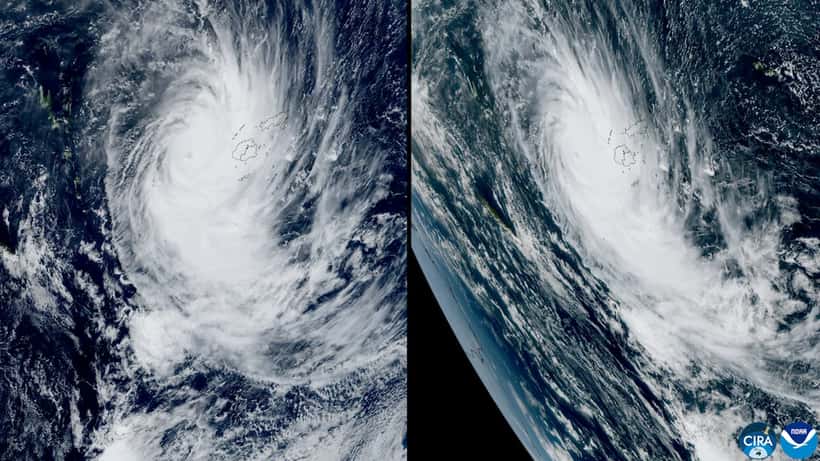
Tropical Cyclone Vaianu struck New Zealand's North Island on 11 April 2026, triggering states of emergency across Waikato, Northland, and Hawke's Bay, cutting power to thousands, and delivering wind gusts of up to 120km/h. As footage of the destruction circulates worldwide, UK homeowners have an urgent reason to pay attention: British insurers paid out a record £6.1 billion in weather-related claims in 2025, and storm season on these islands is far from over.
What Cyclone Vaianu Revealed About Storm Damage
Vaianu, described by New Zealand authorities as a "multi-hazard, potentially life-threatening" weather event, produced the full spectrum of storm damage that structural surveyors and tradespeople recognise immediately: flying debris causing roof penetrations, fallen trees on structures, flood ingress through compromised seals, and coastal erosion undermining foundations. States of emergency were declared across five regions as the cyclone made landfall.
The lesson for UK homeowners is not that a tropical cyclone will arrive on their doorstep. It is that the same mechanisms — wind, water, impact, and saturation — are what every significant UK storm delivers. And according to data from the Association of British Insurers (ABI), insurers paid out almost £3.4 billion in domestic property claims alone in 2025, representing over 560,000 individual claims with an average payout of £6,000.
Why UK Insurers May Reject Your Claim
The single most common reason UK storm damage claims are reduced or refused is prior dilapidation — damage that was present before the storm, evidence of poor maintenance, or structural deficiencies that made the property susceptible to weather damage that would not have affected a well-maintained building.
If it can be demonstrated that your roof tiles were already loose, your guttering was sagging and blocked, or your pointing had deteriorated before a storm caused water ingress, your insurer has grounds to reduce your payout. This is not hypothetical: the Financial Ombudsman Service regularly adjudicates complaints where insurers have applied this principle.
This makes pre-storm inspection and documentation by a qualified tradesperson or surveyor not just advisable — it is a practical financial protection for homeowners.
The 6 Checks a Tradesperson Makes After Every Major Storm
When storm news breaks — whether from New Zealand, the Western Isles, or the Thames Estuary — the calls to tradespeople follow within hours. These are the six structural and weatherproofing checks that experienced craftspeople conduct first:
1. Roof inspection from ground and ladder. Displaced, cracked, or missing tiles are the primary pathway for water ingress. Ridge tiles and hip tiles, which are secured with mortar, are particularly vulnerable in high winds. A tradesperson uses a combination of binoculars from ground level and a ladder inspection to assess these without risking unsupported roof walking.
2. Flashing and junction seals. The lead or aluminium flashing around chimney stacks, skylights, dormer windows, and wall junctions is where water consistently enters after storms have loosened its adhesion. Visual inspection alone often misses micro-separations — a tradesperson presses, probes, and uses a moisture meter to detect ingress not yet visible as a stain.
3. Guttering and downpipe integrity. Blocked or broken gutters cause water to saturate fascia boards, wall insulation, and foundations. A significant proportion of damp complaints that homeowners attribute to storms are actually caused by gutters that were already compromised. Clearing gutters before storm season is the single cheapest preventive measure available.
4. External wall pointing and render. Mortar pointing weathers over decades and, once deteriorated, allows water to penetrate masonry. Rendered walls can develop hairline cracks invisible to an untrained eye but sufficient to allow sustained water ingress. A tradesperson identifies these by running a screwdriver along pointing — if it crumbles, repointing is needed.
5. Structural movement and cracking. Storms with sustained wind loads can reveal or worsen existing structural movement. Diagonal cracks from window corners, staircase cracking in masonry, or doors and windows that no longer close flush may indicate settlement that predates the storm but has been aggravated. These should be assessed by a structural surveyor if in doubt.
6. Garden and perimeter hazards. Cyclone Vaianu's emergency warnings specifically cited "threat to life from flying items and falling trees." In a UK context, this translates to overhanging branches, unstable garden structures (pergolas, sheds, fencing), and boundary walls with deteriorating foundations. A tradesperson or tree surgeon should assess these before the next significant wind event.
Documenting Your Property's Condition
Homeowners who can demonstrate that their property was in good repair before a storm significantly strengthen any subsequent insurance claim. This means:
- Retaining invoices and certificates from any maintenance or repair work
- Photographing your roof, gutters, and external walls annually (a 10-minute smartphone task on a bright day)
- Getting a written assessment from a tradesperson if you have concerns, particularly for older properties
If a storm has already struck and you have damage to report, photograph everything before any repairs begin — even temporary ones. Do not dispose of damaged materials before your insurer has had the opportunity to inspect them.
When to Call a Structural Surveyor vs. a Tradesperson
For visible, surface-level damage — tiles, guttering, external seals — a qualified tradesperson (builder, roofer, or general maintenance professional) is the appropriate first call. For cracks in walls, movement in foundations, or any concern about structural integrity following a significant storm, a structural surveyor or chartered building surveyor provides an independent professional assessment with the qualifications to identify concealed or progressive damage.
As Cyclone Vaianu reminds us, the gap between a well-maintained property and a vulnerable one is not measured in years — it is measured in the last time someone qualified took a proper look.
This article provides general guidance only. Insurance policy terms vary — always review your specific policy or consult a qualified professional.
