 Daniel Davies
UK homeowners are still counting the cost of a brutal winter storm season — and spring is not letting up. Storm Goretti struck in January 2026 with gusts of 123 mph, ripping roofs clean off homes across Cornwall. Storm Éowyn caused £661 million in insured damage across Ireland and the UK in February. Now, with March bringing changeable weather and strong winds forecast across northern regions, it is worth knowing exactly what to inspect — and when a tradesperson is not optional.
The Scale of Storm Damage in the UK in 2025–2026
The numbers from the Association of British Insurers (ABI) are sobering. In 2025, UK insurers paid out £6.1 billion on property claims — the highest figure on record. Storm damage alone accounted for £244 million, a 32% increase year-on-year. The average storm payout rose to £2,450 per claim, up £750 from the year before. Flood claims averaged £30,000 per household — a 60% increase on 2024.
More than 1 in 5 UK residents (over 20%) have experienced storm damage to their home in the past five years, according to Aviva's own research. Despite this, many homeowners remain unaware of what to look for after a severe weather event — and when to act fast before a small problem becomes an expensive repair.
Where to Look First: A Room-by-Room Post-Storm Check
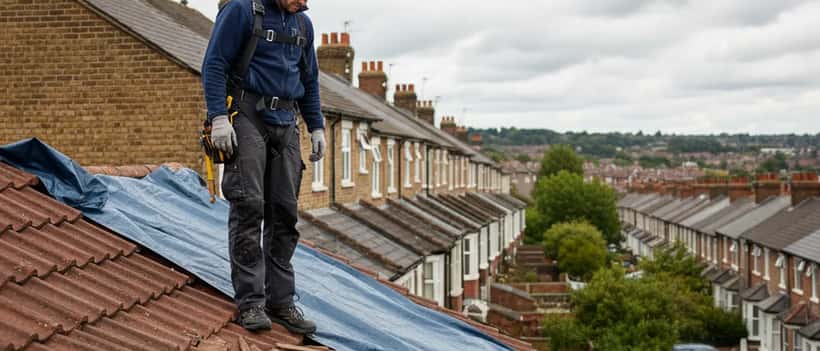
The roof (priority one): This is where most storm damage begins and where it is most expensive to ignore. After any severe wind event, look for:
- Missing, cracked or displaced roof tiles — even one gap can allow water ingress
- Lifted lead flashings around chimneys, skylights and dormers
- Damaged or detached gutters and downpipes
- Debris build-up in valleys between roof slopes, which blocks drainage
You can do a visual inspection from ground level with binoculars. Do not climb onto a wet or damaged roof — call a roofer for a professional assessment.
Gutters and drainage: Gutters torn from their fixings are one of the most common and underestimated forms of storm damage. Water that cannot drain properly pools on the roof surface, seeps under tiles and rots the fascia and soffit boards beneath. A blocked or damaged gutter replacement runs around £1,000 for a typical semi-detached property.
Windows, doors and exterior walls: Check for cracked or broken glazing, damaged frames, gaps around door seals, and any visible cracks in external brickwork or render. Even small cracks allow water penetration and, left untreated through a wet spring, can escalate into damp issues affecting internal walls.
Interior ceilings and walls: Brown water stains or damp patches on ceilings are the surest sign that roof or gutter damage has already let water in. If you see these, you need a roofer or damp specialist before any cosmetic repair — painting over water damage without fixing the source is a false economy.
Garden and outbuildings: Fallen trees, broken fence panels and damaged garden structures can cause secondary damage — a fallen tree resting against a house wall puts structural pressure on brickwork. Remove heavy debris carefully, and call a tree surgeon for anything significant.
DIY vs. Professional: Where the Line Is
For minor cosmetic damage — a small crack in render, a loose fence panel — DIY repairs are reasonable. But most storm-related structural work requires a professional, and not just for safety reasons.
UK insurers specify that claims require repairs to be completed to a "reasonable standard by suitably qualified people." DIY roof repairs that go wrong can void your insurance claim — and the corrective cost of a botched amateur fix on a roof typically runs from £5,000 to £10,000, far exceeding the original professional repair cost of £110–£160 per square metre.
Always call a professional for:
- Any work involving roof structure, tiles or membrane
- Chimney or flashing repairs
- Electrical damage from fallen trees or lightning
- Significant water ingress — the source must be identified and fixed properly
Document everything first: Before any cleanup or temporary repairs, photograph all visible damage. Insurers require this evidence for a claim, and missing it means missing out.
Getting the Right Tradesperson Quickly
In the aftermath of a major storm, reputable tradespeople get booked up fast. Avoid cold callers offering to "survey your roof for free" — a common scam targeting homeowners after storm events. Look for Gas Safe-registered engineers, NICEIC-certified electricians, and roofers registered with the National Federation of Roofing Contractors (NFRC).
Expert Zoom connects UK homeowners directly with vetted local tradespeople — from roofers to builders and emergency plumbers — without the wait or the guesswork. An initial online consultation can help you establish what the damage actually is and whether you need an emergency callout or a scheduled visit.
What Not to Wait On
Some storm damage has a narrow window for cost-effective repair. A displaced tile may seem minor — until the next rain. Water infiltration that sits in your roof structure for weeks breeds mould, rots joists and transforms a £300 tile replacement into a £6,000 structural fix. Acting within days rather than weeks is the difference.
Spring 2026 is forecast to bring continued changeable conditions. If your home came through this winter's storms without a professional inspection, now is the time to schedule one — before the next weather event compounds existing, undetected damage.
Sources: ABI – Property insurance payouts £6.1bn in 2025 | Aviva – Over a fifth of UK residents experienced storm damage | Checkatrade – Roof Repair Costs UK 2026 | Irish Times – Storm Éowyn caused £661m insured damage
