 Grace Davies
Leeds United have been drawn against Chelsea in the FA Cup semi-finals at Wembley Stadium on 26 April 2026 — their first appearance at this stage in 39 years. As millions of fans dust off their boots in celebration, a sports medicine specialist explains the injuries most likely to put your own season on hold.
Leeds Reach the Semi-Finals for the First Time Since 1987
On 6 April 2026, the FA Cup quarter-final draw confirmed Leeds United against Chelsea at Wembley. Pascal Struijk's winning penalty against West Ham sealed a historic moment: Leeds have not been in a FA Cup semi-final since 1987. With the match now confirmed for 26 April, the excitement rippling across Yorkshire — and pubs nationwide — is tangible.
But while professionals like Struijk train every day under expert supervision, millions of amateur footballers will be inspired to lace up for a Sunday league kickabout. And that is precisely when injuries happen.
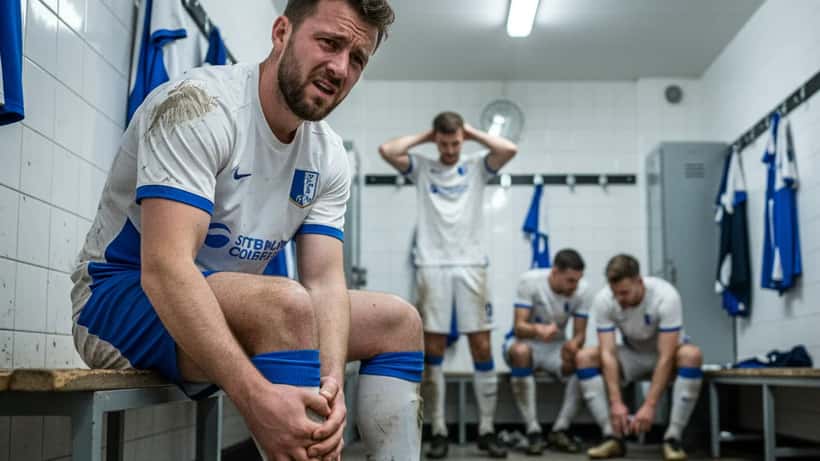
The Five Injuries Most Likely to Strike Amateur Footballers
Amateur football carries a disproportionate injury risk compared to the professional game. Players often train less frequently, stretch inadequately, and return too quickly after previous injuries. Sports medicine specialists see the same patterns every spring.
Ankle sprains account for roughly 25% of all football injuries. They typically occur during tackles or landing from a header on uneven pitches. Left untreated, a sprained ankle becomes a chronic, recurring problem. If the swelling does not subside within 48 hours, imaging may be needed to rule out a fracture.
Hamstring tears are the silent epidemic of amateur leagues. A sudden sprint, a poorly judged backpass, and you hear — or feel — a pop behind the thigh. Moderate hamstring tears can sideline players for six to eight weeks. A doctor or physiotherapist should assess the degree of tearing early, because returning too soon causes reinjury in up to 30% of cases.
Anterior cruciate ligament (ACL) injuries are rarer but career-defining when they happen at amateur level. The ACL is strained by sudden direction changes or landing with the knee twisted inward. Reconstruction surgery is not always required, but specialist assessment is essential within the first week to map a rehabilitation pathway.
Groin strains become more frequent as temperatures rise and players overestimate their fitness. The inner thigh muscles pull under load if warm-up is skipped. A sports medicine specialist can distinguish a muscle pull from a sports hernia — a distinction that changes treatment entirely.
Shin splints (medial tibial stress syndrome) affect runners and footballers who increase training intensity too quickly. The pain sits along the inner edge of the tibia and worsens with activity. It is often dismissed as minor but can progress to stress fractures without rest and expert guidance.
Why Professional Management Matters at Amateur Level
When Ibrahimou Konaté tore his hamstring earlier this season, Liverpool deployed a team of physiotherapists, sports nutritionists, and imaging specialists to manage his return. Amateur players rarely have that support — but the biological demand on the body is identical.
According to data from NHS England, musculoskeletal injuries represent one of the largest causes of GP referrals in the spring months, with football-related cases peaking between April and June. Early specialist consultation reduces recovery time and prevents chronic complications.
How to Protect Yourself Before the Whistle Blows
A pre-season consultation with a sports medicine specialist is not reserved for professionals. Here is what a structured approach looks like:
- Physical assessment: Identifying muscle imbalances and flexibility deficits before they become injuries
- Personalised warm-up protocol: A static stretch before kickoff is not enough — dynamic movement preparation reduces injury risk by up to 20%, according to the FIFA 11+ programme
- Load management: Understanding how quickly to increase training volume after winter
- Return-to-play planning: If you are carrying a niggle, a specialist can tell you whether playing through it is safe
The RICE Protocol Is Not Enough
For decades, RICE (Rest, Ice, Compression, Elevation) was the standard first response to soft-tissue football injuries. It remains useful in the immediate hours after injury, but modern sports medicine has moved beyond it. POLICE (Protection, Optimal Loading, Ice, Compression, Elevation) is now preferred, with gentle movement starting earlier to accelerate tissue remodelling.
If you cannot bear weight on an injured ankle or knee within 24 hours of injury, seek medical advice the same day. Waiting is the most common — and costliest — mistake amateur players make.
The Leeds Effect: Turning Inspiration into Safe Play
Leeds United's FA Cup run is more than a footballing story. It is an invitation for hundreds of thousands of people across Britain to play, watch, and feel connected to the game. That energy is worth protecting.
Consulting a sports doctor before the season begins — or when a knock refuses to heal — is not overcautious. It is the decision that keeps you playing through April, not watching from the sofa.
YMYL notice: The health information in this article is for general educational purposes only. Always consult a qualified healthcare professional before beginning a new exercise programme or if you have sustained an injury.
Connect with a sports medicine specialist on Expert Zoom to assess your fitness before the season peaks.
